Rotate Your Plants – How to Keep a Fresh Look All Year Round

Keep your indoor greenery vibrant by giving every plant its moment in the spotlight
Flowers
Flowers
5 min
Discover how a simple habit of rotating your plants can make a big difference to their health and your home’s appearance. Learn easy ways to adapt your plant care routine to Australia’s changing light and seasons for a fresh, balanced look all year round.
Connor Green
Connor
Green

Rotate Your Plants – How to Keep a Fresh Look All Year Round

Keep your indoor greenery vibrant by giving every plant its moment in the spotlight
Flowers
Flowers
5 min
Discover how a simple habit of rotating your plants can make a big difference to their health and your home’s appearance. Learn easy ways to adapt your plant care routine to Australia’s changing light and seasons for a fresh, balanced look all year round.
Connor Green
Connor
Green

Indoor plants bring life, colour, and calm to any space. But even the healthiest greenery can lose its spark if it stays in the same spot for too long. In Australia, where light and temperature can vary dramatically between seasons and regions, rotating your plants regularly helps them thrive and keeps your home looking fresh all year round. Here’s how to make it part of your routine.

Why Rotation Matters

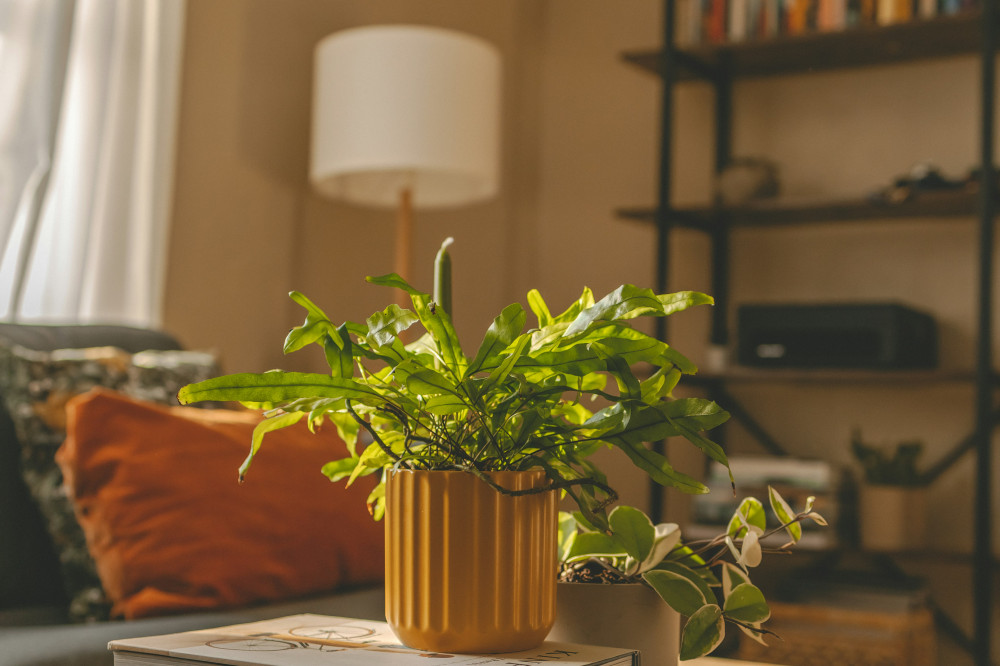
Plants naturally grow toward the light. If they sit in one position for months, they can become lopsided or develop sparse growth on one side. Some may get too much harsh sun, while others languish in the shade. By rotating and moving your plants, you balance their exposure and encourage even, healthy growth.

Rotation also helps prevent pests and mould. When plants are moved, they get better airflow and you’re more likely to notice early signs of trouble—like yellowing leaves, dry soil, or tiny insects—before they spread. It’s a simple habit that supports both plant health and home hygiene.

Create a Simple Rotation Plan

You don’t need a complicated system to keep your plants happy. A few small habits can make a big difference:

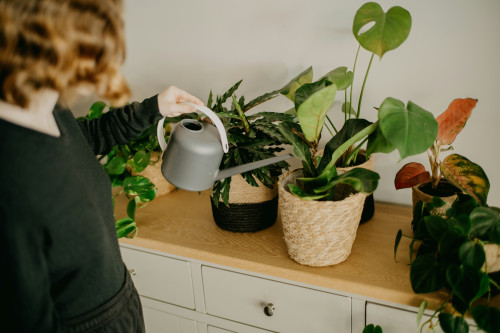
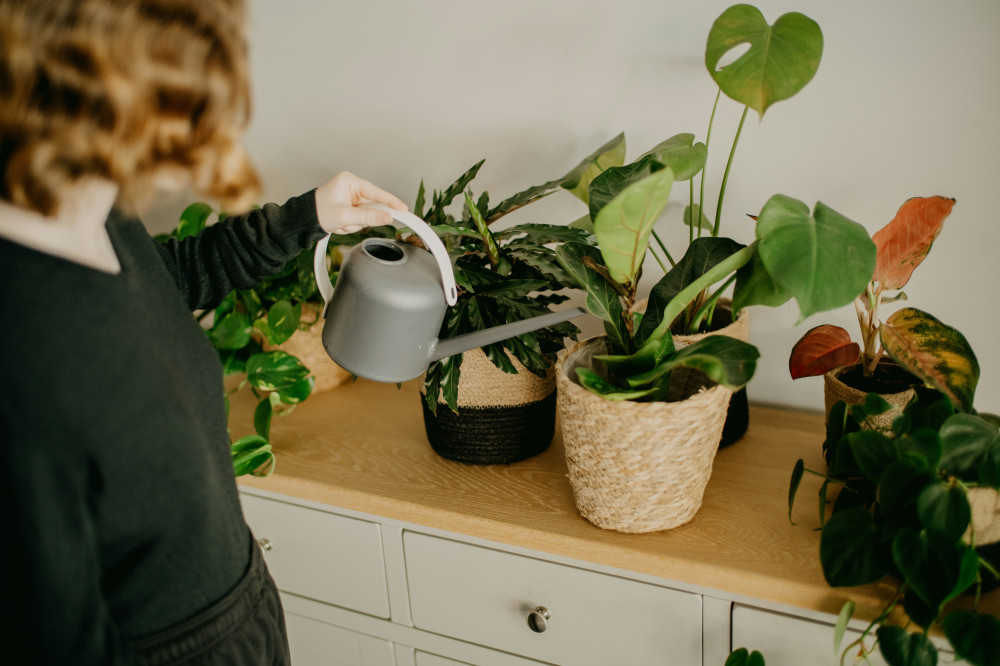
  • Every month: Turn each plant a quarter turn so all sides receive light evenly.
  • Every season: Move plants between rooms to match changing light and temperature conditions.
  • During cleaning: Wipe leaves free of dust and check for pests or dry spots.

If you have a large collection, take photos of your arrangements. It helps you remember where each plant has been and makes it easier to refresh your layout without losing track.

Adjust for the Australian Seasons

Australia’s climate varies widely—from tropical humidity in the north to cool winters in the south—so your rotation plan should reflect your local conditions.

  • Spring: As days lengthen, plants start growing again. Give them more light, but protect delicate species from strong midday sun.
  • Summer: The sun can be intense, especially in northern and inland areas. Move sensitive plants away from west-facing windows or use sheer curtains to filter the light. Outdoor plants may need extra shade and water.
  • Autumn: Light levels drop, so bring indoor plants closer to windows. This is also a good time to prune and repot before growth slows.
  • Winter: In cooler regions, keep plants away from cold drafts and frosty windows. Water less often, as most plants rest during this period.

By adjusting placement with the seasons, you help your plants follow their natural rhythm—and your home stays in tune with the changing light.

Refresh Your Interior Style

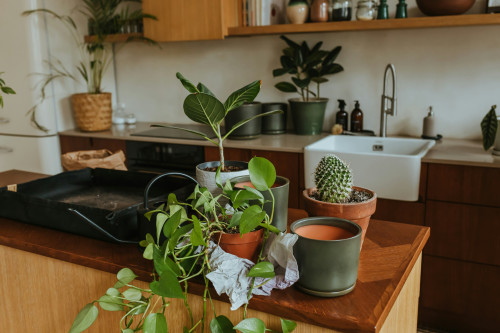
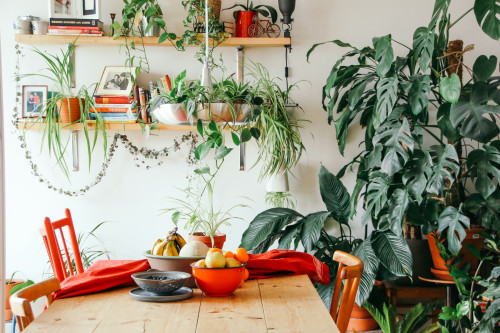
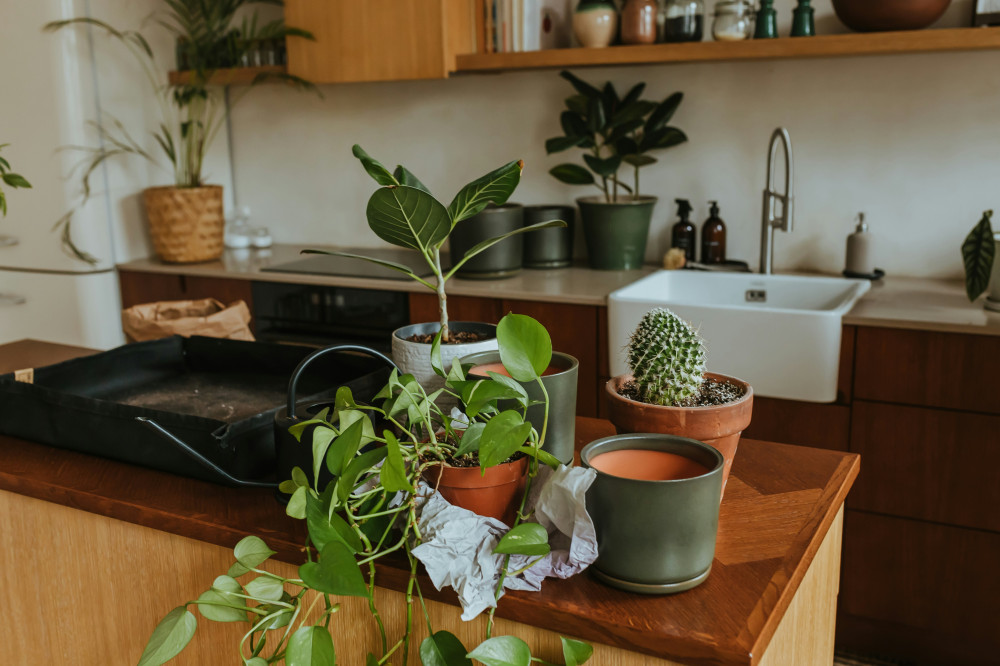
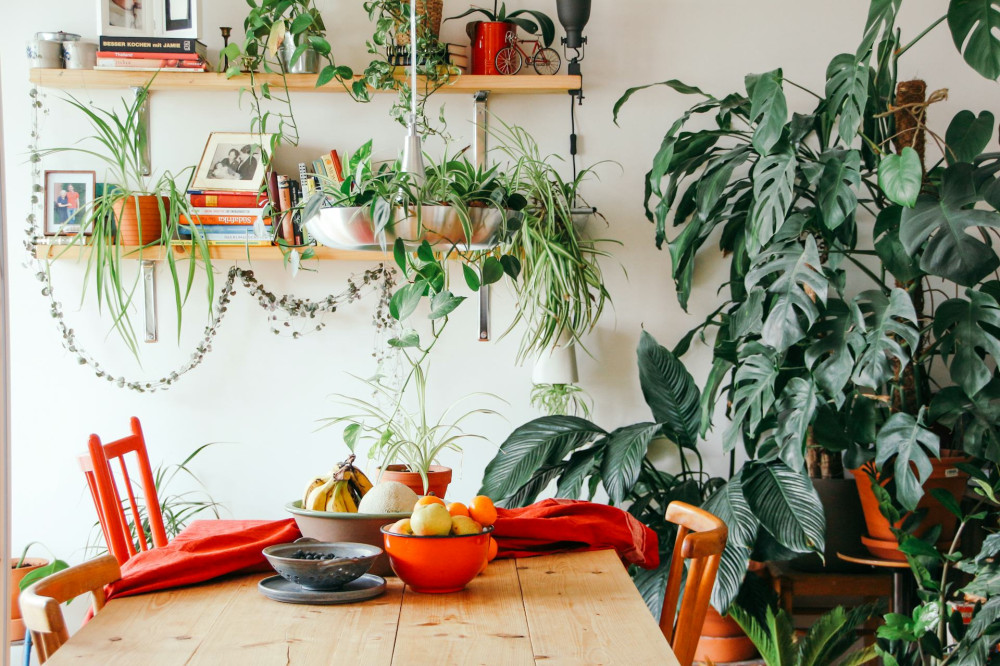
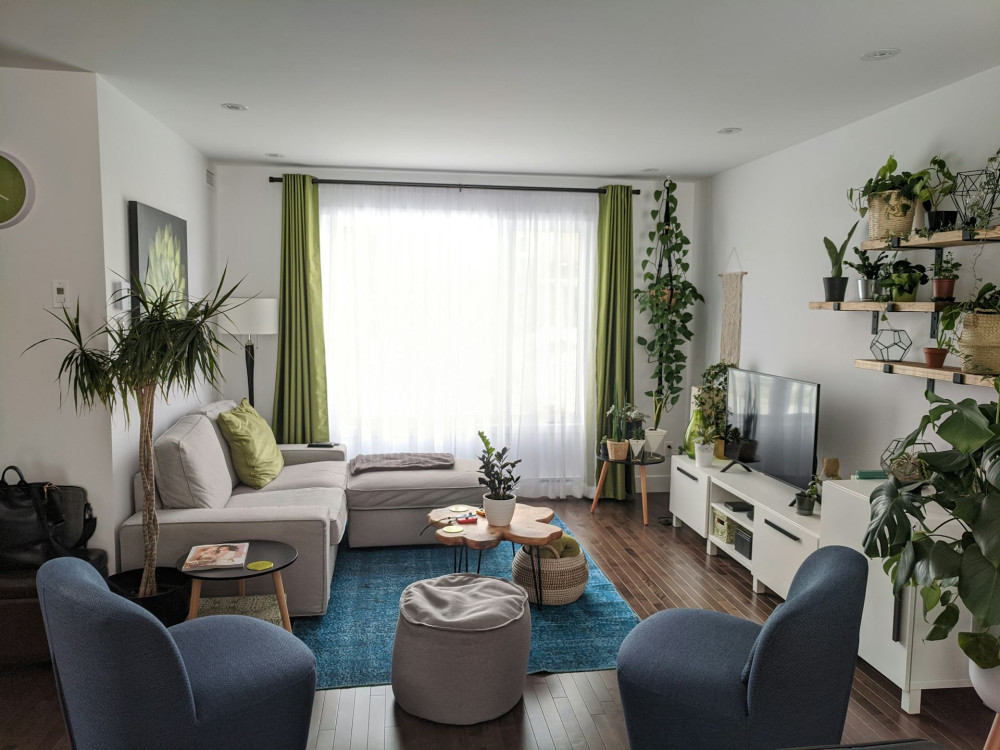
Rotating your plants isn’t just about care—it’s also a creative way to refresh your décor. Moving a large fiddle-leaf fig from the living room to the hallway can completely change the feel of both spaces. Grouping smaller plants on a coffee table or windowsill adds warmth and texture without buying new décor.

Experiment with different pot materials, colours, and heights to create visual interest. Mixing leafy greens with succulents or flowering varieties can bring depth and personality to your home.

Watch How Your Plants Respond

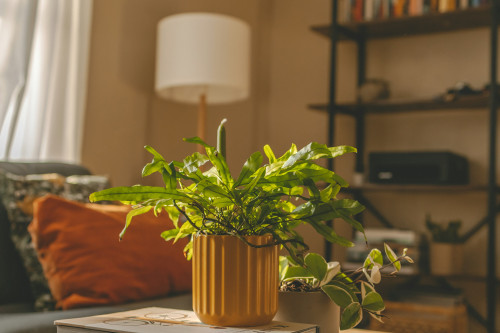
While most plants benefit from rotation, some prefer stability. Orchids, ferns, and certain tropical species can be sensitive to sudden changes in light or humidity. Keep an eye on how each plant reacts after a move. If it starts drooping or dropping leaves, it may need to return to its previous spot—or simply a little time to adjust.

A Living Home in Balance

Rotating your plants keeps them healthy, your home dynamic, and your connection to nature strong. It’s a small act of care that brings movement and freshness into your space. By paying attention to light, season, and your plants’ signals, you’ll create a home that feels alive and balanced—no matter the time of year.

Give Your Plants More Light with Mirrors and Bright Walls
Make the most of your home’s natural light to help your indoor plants flourish
Flowers
Flowers
Indoor Plants
Home Decor
Natural Light
Plant Care
Interior Design
2 min
Even in rooms with limited sunlight, you can create a brighter environment for your plants. Learn how mirrors, bright walls, and smart placement can reflect and amplify natural light, giving your greenery the boost it needs to thrive.
Mason Hayes
Mason
Hayes
Combine Care Principles for Optimal Plant Care
Discover how blending traditional and modern techniques can help every plant flourish
Flowers
Flowers
Plant Care
Gardening
Indoor Plants
Sustainable Living
Home Gardening
5 min
Learn how to combine different care principles to create the perfect environment for your plants. From watering and feeding to light, soil, and microclimates, this guide shows how a balanced approach leads to healthier, more resilient greenery – indoors and out.
Tegan Fisher
Tegan
Fisher
Rotate Your Plants – How to Keep a Fresh Look All Year Round
Keep your indoor greenery vibrant by giving every plant its moment in the spotlight
Flowers
Flowers
Indoor Plants
Home Decor
Plant Care
Australian Homes
Interior Styling
5 min
Discover how a simple habit of rotating your plants can make a big difference to their health and your home’s appearance. Learn easy ways to adapt your plant care routine to Australia’s changing light and seasons for a fresh, balanced look all year round.
Connor Green
Connor
Green
Plants for the Patio: How to Choose Ones That Can Withstand the Elements
Transform your patio into a lush retreat with plants that thrive in any weather
Flowers
Flowers
Patio Plants
Outdoor Living
Gardening Tips
Climate-Resistant Plants
Home and Garden
7 min
Discover how to choose patio plants that can handle Australia’s changing climate. Learn which hardy varieties, pots, and care routines will keep your outdoor space green and inviting all year round.
Matthew Ross
Matthew
Ross
Green Plants as Natural Air Purifiers in Modern Homes
Bring freshness and vitality into your home with the natural power of green plants
Flowers
Flowers
Indoor Plants
Air Quality
Home Decor
Healthy Living
Sustainability
7 min
Discover how indoor plants can do more than just beautify your living space. Learn which species help purify the air, reduce toxins, and promote a healthier, more comfortable home environment for modern Australian living.
Lily Wood
Lily
Wood
Rustic Outdoor Living: Create an Atmospheric Garden with Natural Materials
Bring warmth and authenticity to your garden with natural textures and timeless materials
Furniture
Furniture
Rustic Garden
Outdoor Living
Natural Materials
Garden Design
Home Decor
3 min
Discover how to design a rustic outdoor space that feels harmonious, inviting, and connected to nature. Learn how to use natural materials, thoughtful details, and low-maintenance plants to create a garden full of atmosphere and character.
Mason Hayes
Mason
Hayes
From Baroque to Sustainability – The Journey of Furniture Design Through the Centuries
Discover how centuries of design evolution have shaped the furniture we live with today
Furniture
Furniture
Furniture Design
Interior Design
History of Design
Sustainability
Home Decor
2 min
From the ornate craftsmanship of the Baroque era to the eco-conscious designs of the present, furniture has always reflected the spirit of its time. Explore how changing aesthetics, materials, and values have influenced the way we create and experience furniture across generations.
Tegan Fisher
Tegan
Fisher
Share, Swap and Borrow: A Sustainable Path to More Responsible Living
Discover how sharing, swapping, and borrowing can make everyday living more sustainable and connected
Furniture
Furniture
Sustainability
Community
Eco Living
Minimalism
Responsible Consumption
4 min
Learn how embracing shared resources and community exchange can reduce waste, save money, and foster stronger neighbourhood ties. This article explores practical ways Australians can live more responsibly by rethinking ownership and consumption.
Connor Green
Connor
Green