Give Your Plants More Light with Mirrors and Bright Walls

Give Your Plants More Light with Mirrors and Bright Walls
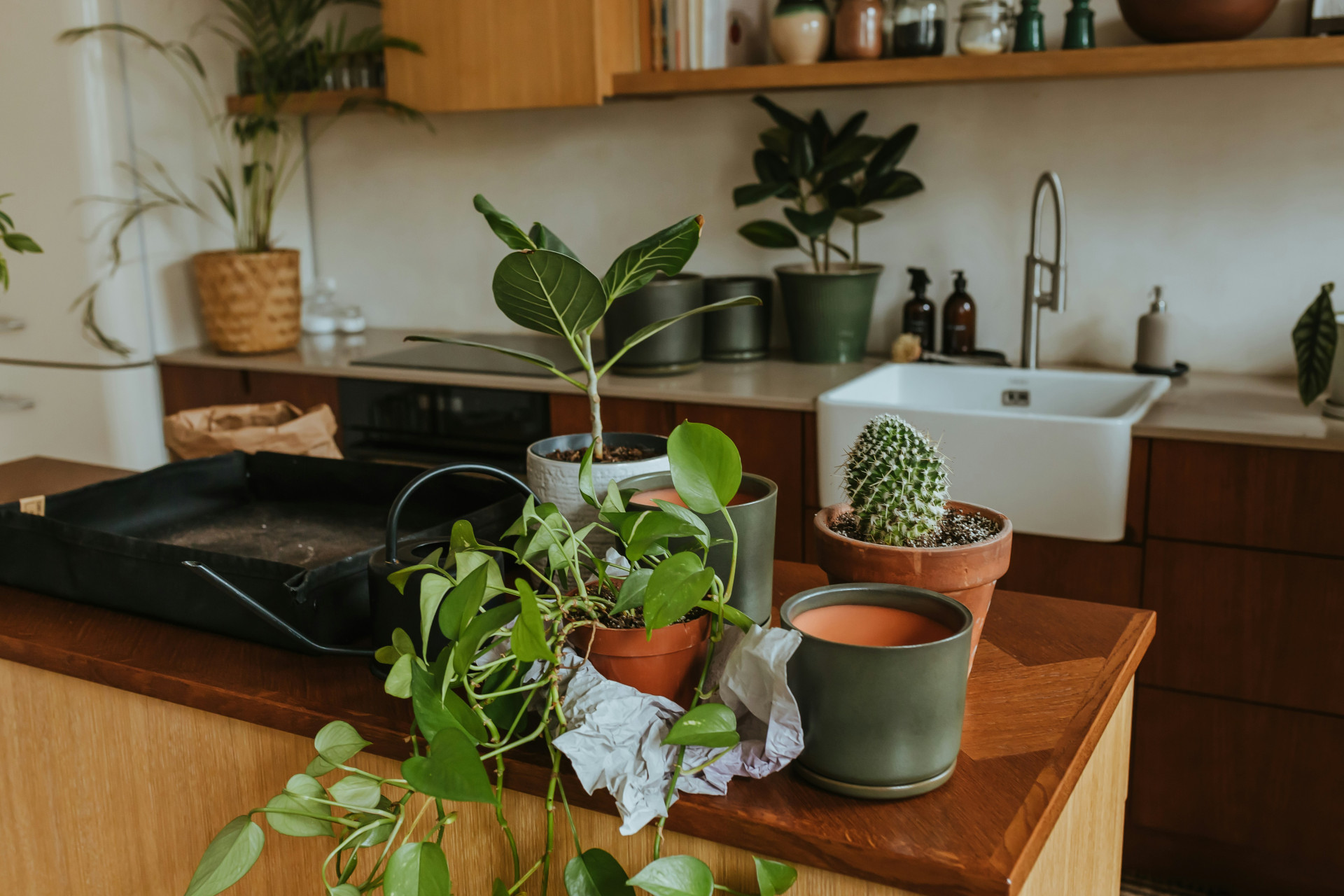
Many indoor plants love sunlight – but not every home has large north-facing windows or open spaces where the sun can pour in all day. Fortunately, with a few clever tricks like mirrors, bright walls, and thoughtful placement, you can make the most of the natural light you already have. Here’s how to help your plants thrive, even in the shadier corners of your home.
Light Is Life – Especially for Indoor Plants
Plants rely on light for photosynthesis, the process that turns light energy into food. Too little light leads to slow growth, pale leaves, and eventually, unhappy plants. In many parts of Australia, the intensity and direction of sunlight change dramatically through the year – from the strong summer sun to the softer winter light. Understanding how light moves through your home is key to keeping your plants healthy all year round.
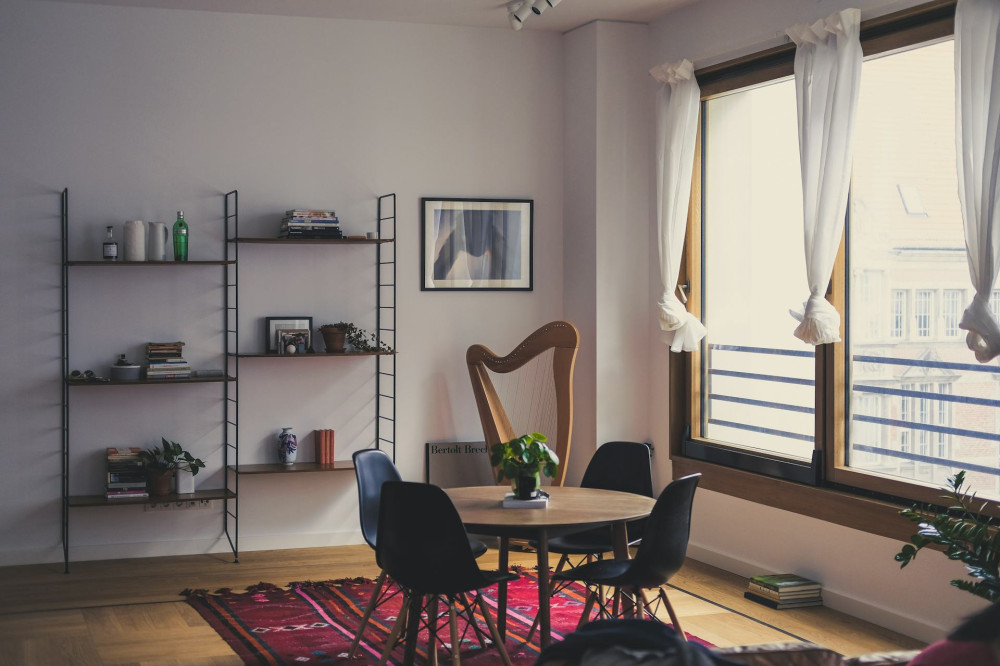
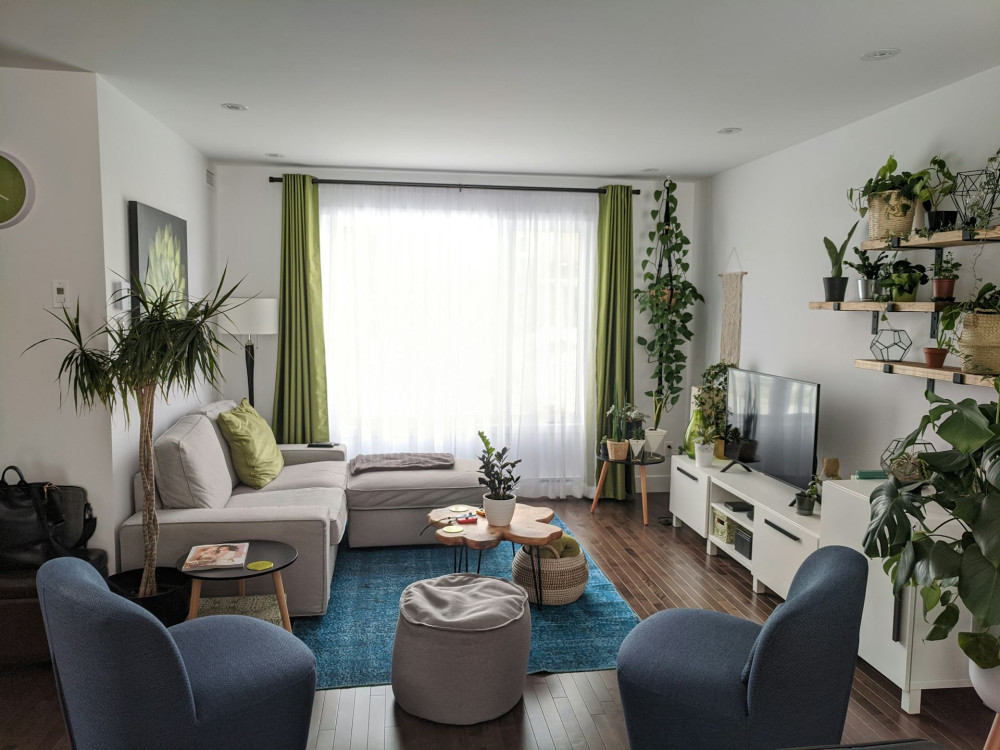
Even small changes in colour and surface can make a big difference. Bright walls, glossy finishes, and well-placed mirrors can reflect sunlight deeper into a room, giving your plants more of the light they need without moving them closer to the window.
Use Mirrors as Natural Light Boosters
A mirror can act like an extra “window,” bouncing sunlight into darker areas. Place a mirror opposite or at an angle to a window so it catches the sun and redirects it into the room. This can help plants that sit a little further from the window get a better dose of light.
- Large mirrors reflect more light and can make a room feel more spacious.
- Small mirrors can be used more precisely – for example, behind a plant in a dim corner.
- Mirrors with light or metallic frames can enhance the reflective effect.
Be mindful, though, that direct sunlight reflected from a mirror can be intense. If you notice leaves getting scorched or developing brown spots, adjust the angle so the light is softer and more diffused.
Bright Walls and Ceilings for Better Light Distribution
The colour of your walls and ceiling has a huge impact on how much light stays in a room. Dark colours absorb light, while light colours reflect it. A white or cream wall can reflect nearly twice as much light as a darker one.
If you prefer something warmer than white, try pale shades of sand, eucalyptus green, or soft grey – they still reflect plenty of light but add a cosy, natural feel. Matte paint scatters light gently, while semi-gloss finishes reflect it more directly.
Don’t forget the details: painting window frames, sills, and even plant shelves in light colours can give your plants an extra boost of brightness.
Smart Plant Placement
Even with mirrors and bright walls, placement matters. Light-loving plants like succulents, cacti, and herbs should sit closest to the window. Shade-tolerant varieties such as ferns, peace lilies, and monsteras can thrive further inside, especially if you use mirrors to direct light their way.
A good tip is to watch how sunlight moves through your home during the day. In Australia, north-facing windows get the most consistent light, while east-facing ones catch the gentle morning sun. Move your plants around until you find the spots where they get the right balance of brightness without being scorched.
Combine Natural and Artificial Light
Even in sunny Australia, some rooms just don’t get enough daylight – especially apartments or shaded homes. In those cases, you can supplement with grow lights. Modern LED grow lights are energy-efficient and mimic the full spectrum of sunlight. Use them to top up natural light during winter or in darker corners.
By combining natural reflections with artificial light, you can create a stable environment where your plants flourish year-round.
Læs også:
A Brighter Home – for You and Your Plants
Working with light doesn’t just benefit your plants – it transforms your home too. Mirrors and bright walls make spaces feel larger, fresher, and more inviting. It’s a simple, affordable way to bring more life and energy into your home – and your plants will thank you for it.
Læs også: