Green Plants as Natural Air Purifiers in Modern Homes

Green Plants as Natural Air Purifiers in Modern Homes
As more Australians spend time indoors—whether working from home, relaxing, or escaping the summer heat—interest in creating a healthy indoor environment has grown. Many people are turning to natural ways to improve air quality, and green plants are proving to be both beautiful and beneficial. Beyond their decorative appeal, certain plants can help filter the air, reduce pollutants, and create a fresher, more comfortable living space.
Plants as Nature’s Own Air Filters
Through photosynthesis, plants absorb carbon dioxide and release oxygen, but some species go a step further. They can also absorb volatile organic compounds (VOCs)—chemicals found in paints, furniture, cleaning products, and synthetic materials. In high concentrations, these compounds can cause headaches, fatigue, and respiratory irritation.
Research, including NASA’s well-known studies from the 1980s, has shown that plants such as peace lilies, ferns, and rubber plants can reduce certain airborne toxins. While the effect in a typical home is less dramatic than in a controlled lab, having several plants together can still make a noticeable difference—especially in rooms with limited airflow.
Læs også:
The Best Plants for Australian Homes
Australia’s climate and lifestyle offer great opportunities for indoor greenery. Here are some plants that thrive in local conditions and contribute to cleaner air:
- Peace Lily (Spathiphyllum) – Excellent at removing formaldehyde and benzene. It prefers indirect light and moderate watering, making it ideal for living rooms and offices.
- Kentia Palm (Howea forsteriana) – Native to Lord Howe Island, this elegant palm adds tropical charm while helping to humidify dry indoor air.
- Snake Plant (Sansevieria trifasciata) – Hardy and low-maintenance, it produces oxygen even at night, making it perfect for bedrooms.
- Aloe Vera – Known for its soothing gel, it also helps absorb chemical vapours from cleaning products and paints.
- Boston Fern (Nephrolepis exaltata) – Great for increasing humidity and filtering pollutants, though it appreciates regular misting in drier climates.
Combining different species not only enhances the air-cleansing effect but also adds texture and colour to your home décor.
How to Get the Most from Your Plants
For plants to purify the air effectively, they need to be healthy. Here are a few simple care tips:
- Light: Most indoor plants prefer bright, indirect light. Avoid harsh midday sun, especially in northern or western windows.
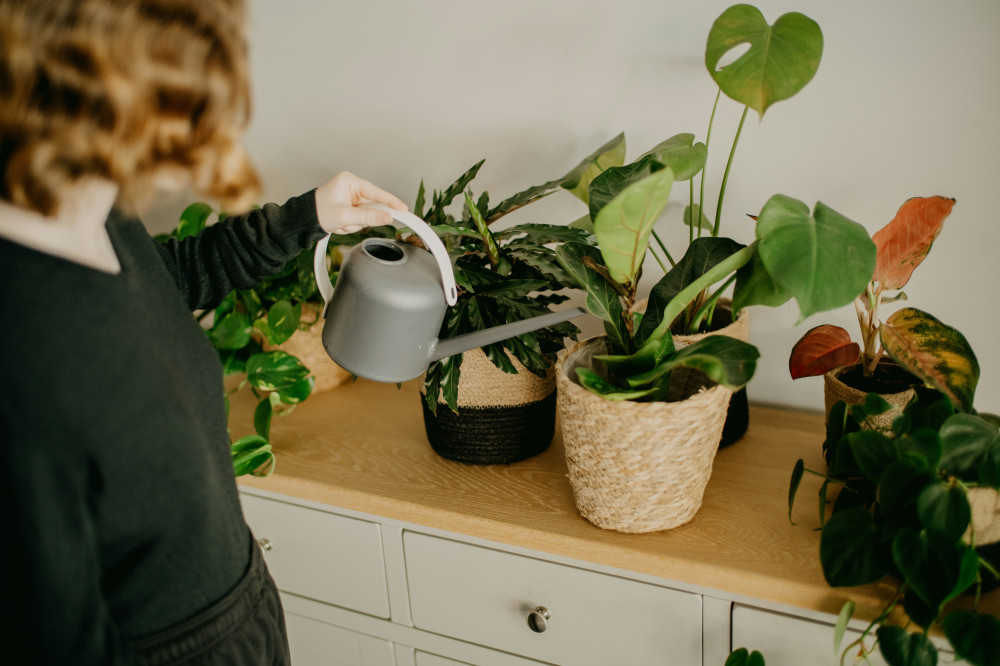
- Watering: Overwatering is a common mistake. Keep the soil slightly moist but never soggy.
- Placement: Distribute plants throughout your home—especially in living areas, bedrooms, and home offices where you spend the most time.
- Cleaning: Wipe leaves occasionally with a damp cloth to remove dust, which can block light and reduce the plant’s ability to photosynthesise.
A good rule of thumb is one medium-sized plant per 10 square metres, but feel free to add more if you want a lush, green atmosphere.
Greenery and Wellbeing
Beyond improving air quality, indoor plants have a positive impact on mental health. Studies show that being surrounded by greenery can lower stress, boost concentration, and enhance overall happiness. Plants bring a sense of calm and connection to nature—something many Australians value in an increasingly urban and digital world.
Even a few potted plants on a windowsill or balcony can transform the mood of a space, making it feel more alive and welcoming.
A Greener Home for a Healthier Life
While plants can’t replace proper ventilation, they are a wonderful complement to it. They bring nature indoors, refresh the air, and create a more harmonious environment. Whether you live in a city apartment or a coastal house, there’s a plant to suit your lifestyle and space. With a little care, you’ll enjoy not only cleaner air but also a more vibrant and relaxing home.
Læs også: