From Baroque to Sustainability – The Journey of Furniture Design Through the Centuries

From Baroque to Sustainability – The Journey of Furniture Design Through the Centuries
Furniture tells stories – not only about function and form, but also about the values, technology, and aesthetics of its time. From the opulent Baroque pieces of 17th-century Europe to today’s minimalist and sustainable designs, furniture design mirrors the evolution of society itself. Let’s take a journey through the centuries, exploring how craftsmanship, style, and materials have changed in response to human needs and ideals – and how these influences have shaped the way Australians live and furnish their homes today.
The Grandeur of the Baroque
In 17th-century Europe, furniture was more than a practical necessity – it was a symbol of power and prestige. The Baroque style celebrated drama and extravagance: heavy tables, elaborately carved chairs, and gilded mirrors filled the grand halls of nobility. Every detail was meticulously crafted, often from expensive materials like mahogany, walnut, and gold leaf.
These pieces were designed to impress rather than comfort. They reflected a world where wealth and influence were displayed through ornamentation and scale – a far cry from the relaxed, open-plan living spaces Australians favour today.
Læs også:

Rococo and Classicism – Grace and Order
By the 18th century, tastes began to shift. The Rococo period introduced lightness and playfulness into furniture design. Curved lines, pastel colours, and floral motifs replaced the Baroque’s heaviness. Furniture became more intimate and suited to conversation rather than ceremony.
Later, Classicism emerged as a reaction to Rococo’s excess. Inspired by ancient Greek and Roman ideals, designers embraced symmetry, proportion, and restraint. This balance between beauty and rationality laid the groundwork for modern design principles – values that continue to resonate in contemporary Australian interiors, where simplicity and harmony are key.
The Industrial Revolution – From Craft to Mass Production
The 19th century brought a seismic shift. Industrialisation transformed furniture making from artisanal craft to mechanised production. For the first time, well-made furniture became accessible to the middle class. Yet this democratisation came at a cost: craftsmanship often gave way to efficiency.
New styles emerged, from the eclectic historicism of the Victorian era to the handcrafted ideals of the Arts and Crafts movement. The latter, led by figures like William Morris, championed honesty in materials and respect for the maker’s hand – ideas that would later influence Australian designers seeking authenticity and connection to place.
Modernism – Function Over Ornament
The early 20th century ushered in modernism, a movement that redefined design across the world. Architects and designers such as Le Corbusier, Alvar Aalto, and later Australian modernists like Grant Featherston embraced the mantra “form follows function.” Furniture became streamlined, practical, and elegant in its simplicity. Materials like steel, glass, and plywood reflected the optimism of a new industrial age.
In Australia, modernism found a natural home. The country’s climate and lifestyle encouraged open, airy spaces and furniture that was light, functional, and adaptable. Featherston’s Contour Chair, for example, captured both international modernist ideals and a distinctly Australian sense of comfort and ease.
Postmodernism – Colour, Play, and Personality
By the 1970s and 80s, designers began to rebel against modernism’s strict minimalism. Postmodernism celebrated individuality, humour, and eclecticism. Furniture became expressive again – bold colours, unusual shapes, and unexpected materials like plastic and laminate took centre stage.
In Australia, this era coincided with a growing confidence in local design. Designers experimented with form and identity, blending global influences with a uniquely Australian sensibility – relaxed, inventive, and unafraid of colour.
Today’s Focus: Sustainability and Conscious Living
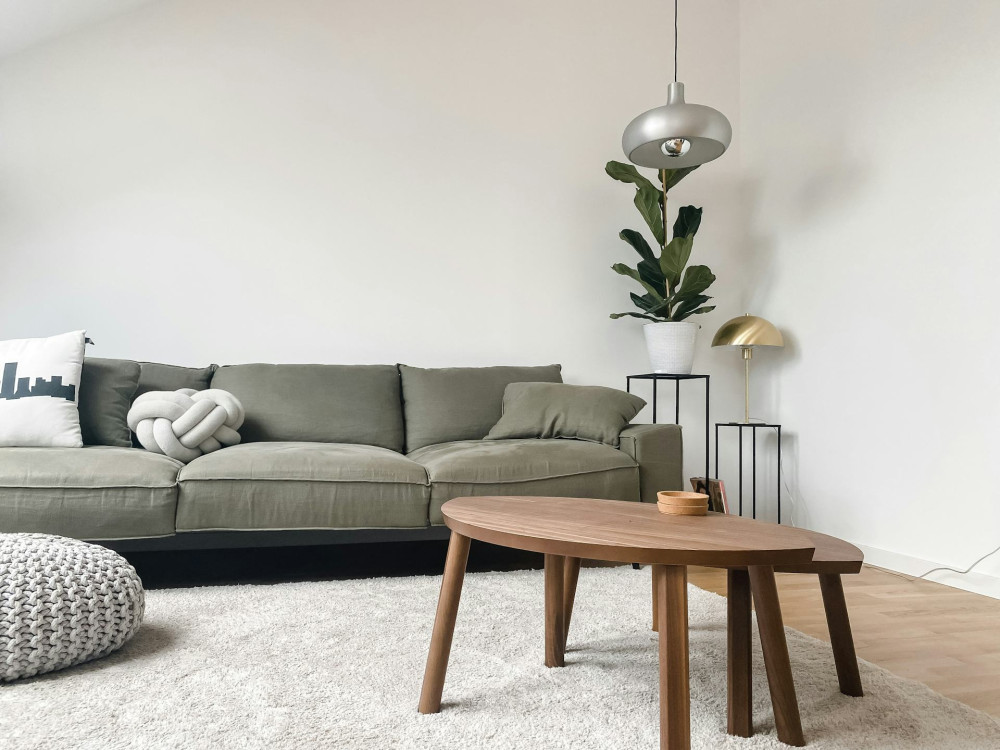
In the 21st century, furniture design faces new challenges. Climate change, resource scarcity, and consumer awareness have made sustainability a central concern. Designers now prioritise renewable materials, modular construction, and circular design principles. Furniture is expected not only to look good but to last – to be repaired, reused, or recycled rather than discarded.
Australian designers are at the forefront of this movement. From Melbourne studios crafting pieces from reclaimed timber to Indigenous-led design projects that honour Country and traditional knowledge, sustainability here is as much about cultural respect as environmental responsibility. Natural materials like Tasmanian oak, wool, and bamboo are favoured for their beauty, durability, and low impact.
From Splendour to Stewardship – A New Design Ethic
The journey of furniture design from Baroque splendour to sustainable innovation reveals how aesthetics and ethics intertwine. Where once furniture expressed wealth and power, today it reflects mindfulness and care – for people, for craft, and for the planet.
As we look to the future, furniture will likely become even more adaptable, sustainable, and personal. Whether handcrafted from local materials or designed for circular reuse, the furniture of tomorrow will continue to tell our story – one of creativity, responsibility, and connection to the world we live in.
Læs også: