Create Symmetry in Your Décor with Side Tables

Create Symmetry in Your Décor with Side Tables
Symmetry in interior design brings a sense of calm, balance, and harmony to a space. It’s one of the oldest design principles, yet it remains just as relevant in modern Australian homes. One of the easiest ways to achieve symmetry is by using side tables – small but impactful pieces that can tie a room together and give it a polished look. Here’s how you can use side tables to create balance and visual flow in your décor.
Why Symmetry Works
Humans are naturally drawn to symmetry. When elements mirror each other, we perceive them as pleasing and orderly. In home décor, this translates into spaces that feel more comfortable and cohesive. Symmetry can be exact – like two identical lamps on either side of a sofa – or more subtle, where colours, shapes, and materials are repeated throughout the room.
Side tables are perfect for achieving this balance because they serve both a practical and aesthetic purpose. They anchor a space visually while offering a convenient surface for everyday use.
Balance Around the Sofa
A classic place to introduce symmetry is around the sofa. Place a side table on each end and top them with matching lamps, vases, or decorative bowls. This creates a harmonious look and makes the space more functional – ideal for holding your coffee, book, or remote control.
If you prefer a more relaxed, coastal-inspired Australian style, you can opt for side tables that aren’t identical but share a common element, such as material or tone. For example, two tables made from the same timber but with different shapes or heights can create a balanced yet casual feel.
Use Side Tables as Visual Counterpoints
Symmetry isn’t only about pairing items. It’s also about creating visual equilibrium across a room. If you have a large armchair or statement piece on one side of your living area, a side table with a lamp or plant on the opposite side can balance the visual weight.
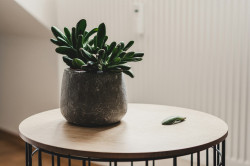
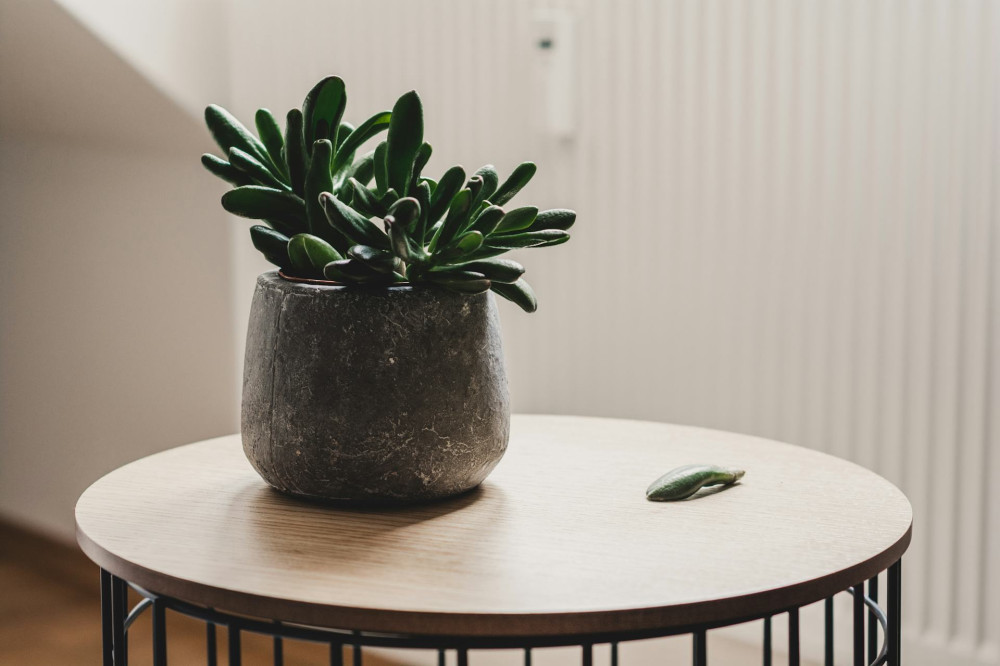
A side table can also act as a focal point. Try placing a round table with a sculptural vase or a stack of art books in a corner to draw the eye and connect different parts of the room.
Symmetry in the Bedroom
In the bedroom, symmetry often comes naturally – especially around the bed. Two matching side tables with lamps on either side create a calm and inviting atmosphere. It’s also practical, giving both sides of the bed equal access to lighting and storage.
For a more personal touch, you can vary the look slightly. Choose two tables in the same colour palette but with different shapes, or use different lamps that still complement each other. This keeps the balance while adding character and individuality.
Læs også:
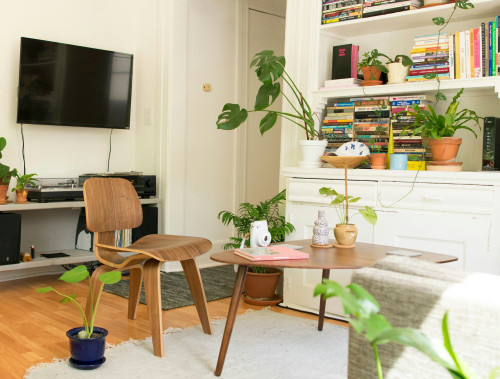
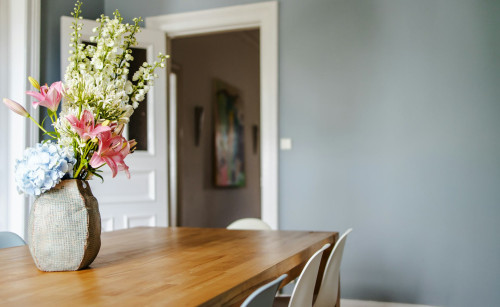
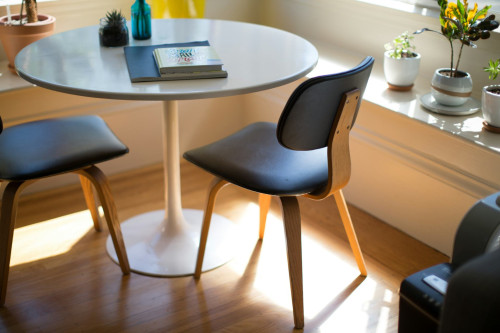
Materials and Shapes That Work Together
When working with symmetry, consider materials and shapes carefully. Two tables in the same material – such as oak, marble, or metal – create a clear connection. But you can also achieve harmony by repeating a shape or colour elsewhere in the room.
A round side table might echo the shape of a mirror or pendant light, while a square table can reflect the lines of a rug or shelving unit. The goal is to create rhythm and repetition so the eye experiences the space as unified and intentional.
When Asymmetry Feels Balanced
While symmetry is often associated with order, deliberate asymmetry can also create harmony. Two side tables of different heights but in the same finish or tone can add a dynamic, lived-in feel. The key is maintaining a sense of connection – a thread that ties the elements together.
By blending symmetry and asymmetry, you can design a space that feels both serene and full of personality.
Small Details, Big Impact
Side tables may be small, but their influence on a room’s design is significant. They can define structure, highlight your style, and provide a stage for personal touches like plants, candles, or art pieces. When placed thoughtfully, they can transform a space from ordinary to cohesive and considered.
So next time you’re refreshing your home décor, take a look at your side tables. With a few simple adjustments, they can help you create symmetry – and with it, a sense of balance and tranquillity in your Australian home.
Læs også: