Contrasts in Interior Design: When Cool and Warm Table Materials Meet

Contrasts in Interior Design: When Cool and Warm Table Materials Meet
When designing a home, it’s not just about colours and shapes – materials play a crucial role in setting the mood of a space. In particular, the choice of tabletop materials can create striking contrasts that bring both balance and personality to a room. Pairings such as steel and oak, marble and spotted gum, or concrete and blackwood can give an interior both character and harmony. But how do you make these materials work together without the result feeling mismatched or chaotic?
Cool materials – elegance and calm
Cool materials like steel, glass, marble, and concrete are often associated with modern, minimalist design. They reflect light, feel clean, and create a sense of order. A dining table with a stainless-steel frame or a polished marble top can lend a space a refined, contemporary look.
However, cool materials can sometimes feel a little stark or impersonal on their own. That’s why they work best when balanced with something that adds warmth and texture – such as timber, leather, or woven fibres. The key is to find harmony between the sleek and the inviting.
Warm materials – comfort and connection
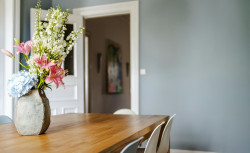
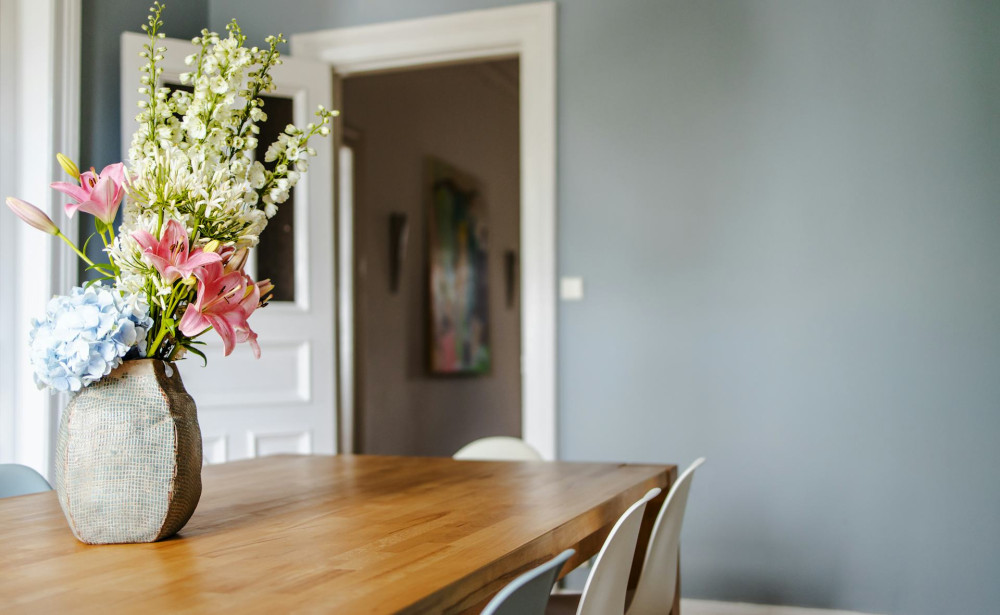
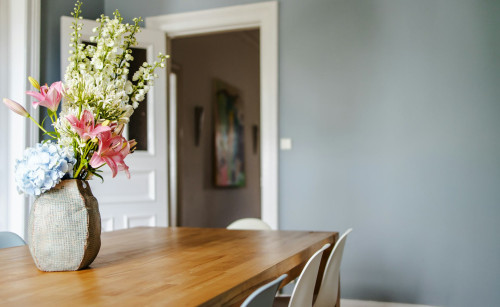
Timber, bamboo, cork, and other natural materials bring warmth and life into an interior. Their organic patterns and textures age beautifully over time, adding authenticity and depth. A solid Tasmanian oak dining table or a blackwood coffee table can easily become the heart of a home – both visually and socially.
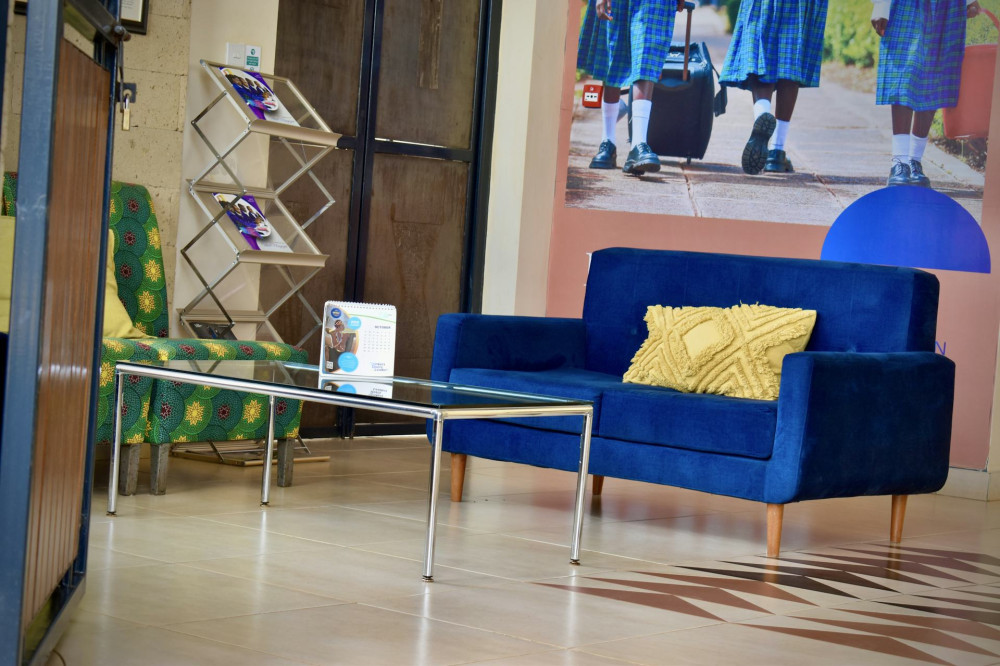
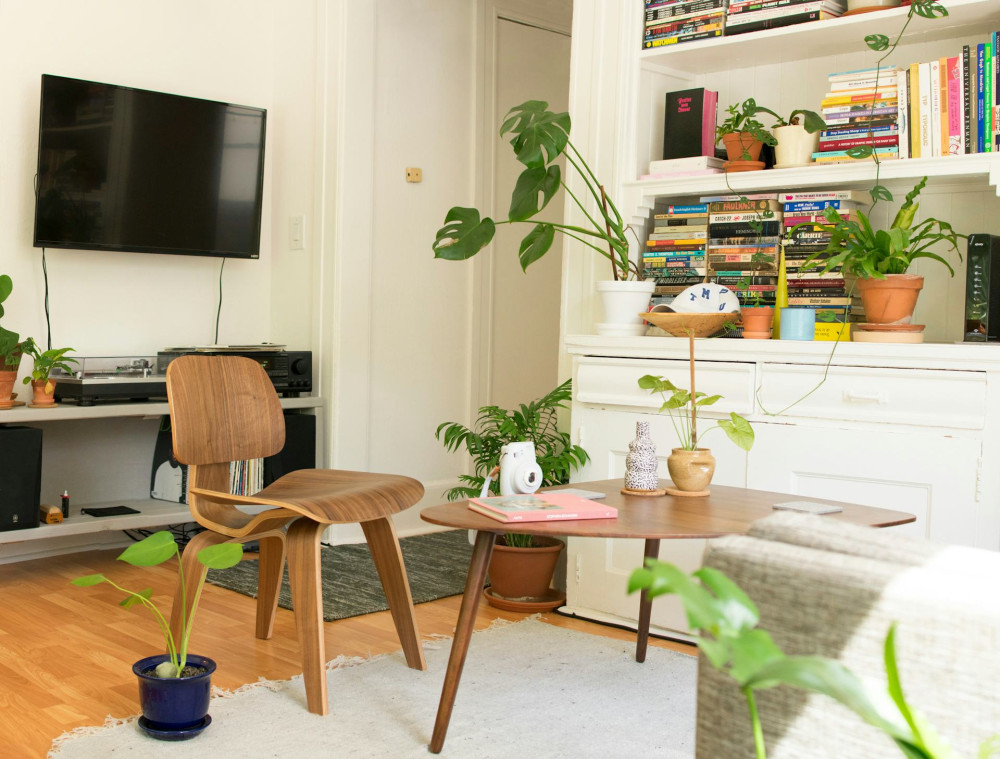
Warm materials invite togetherness and make a space feel more welcoming. But too much warmth can make a room feel heavy or dated. Introducing cooler elements – like a glass tabletop or metal legs – can lighten the look and add a modern edge.
When materials meet
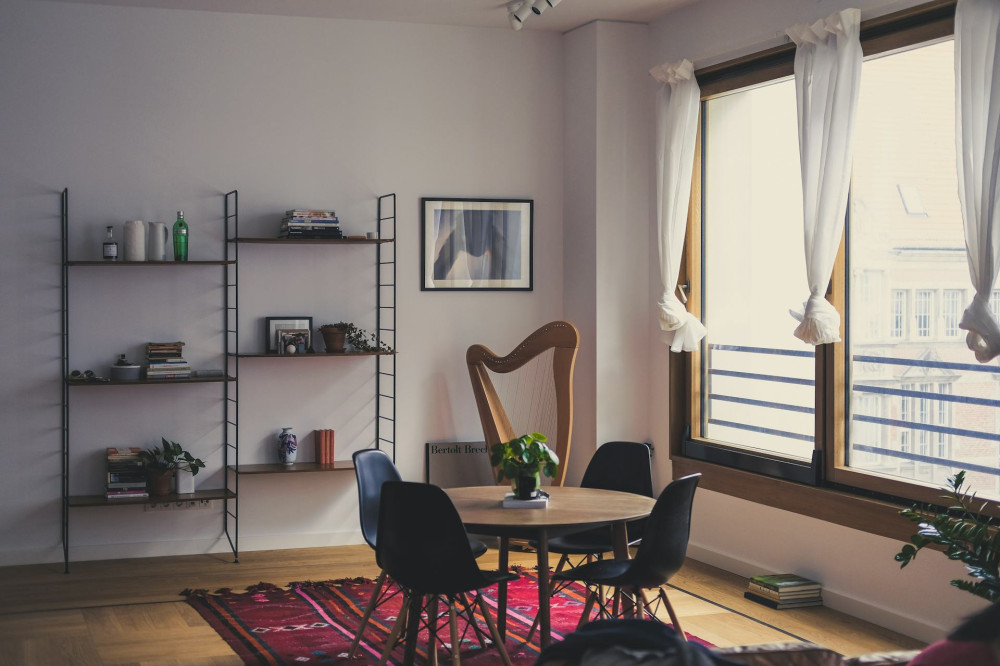
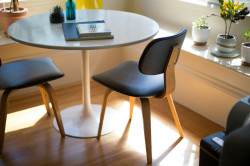
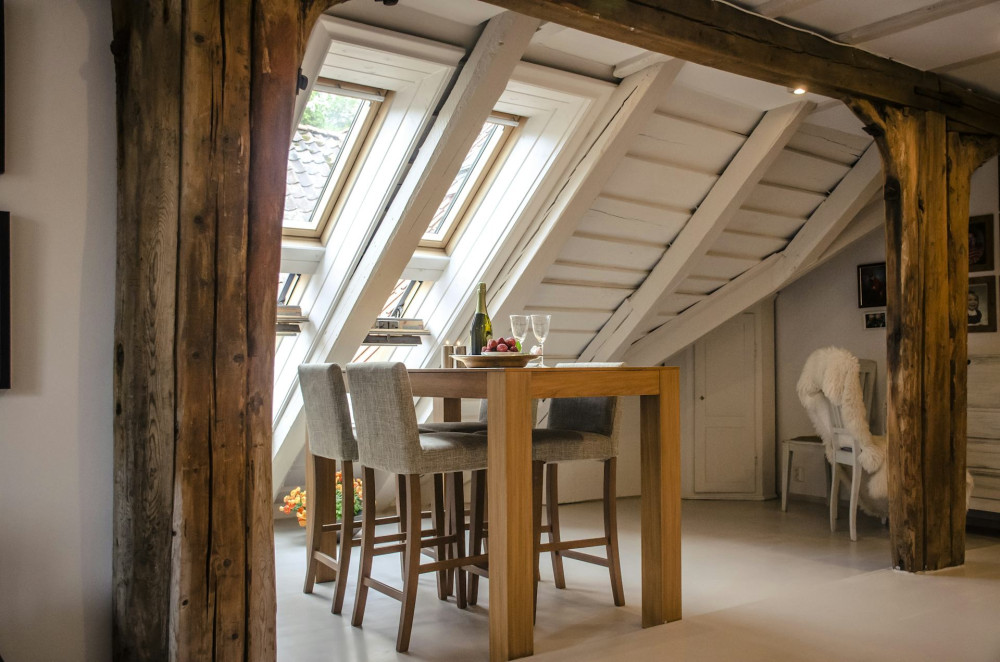
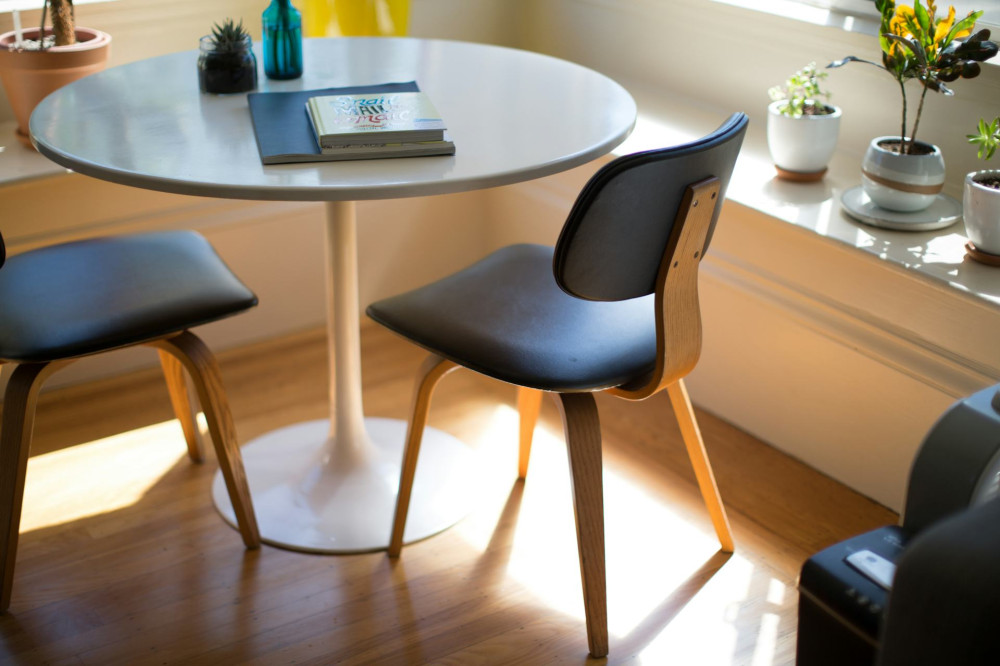
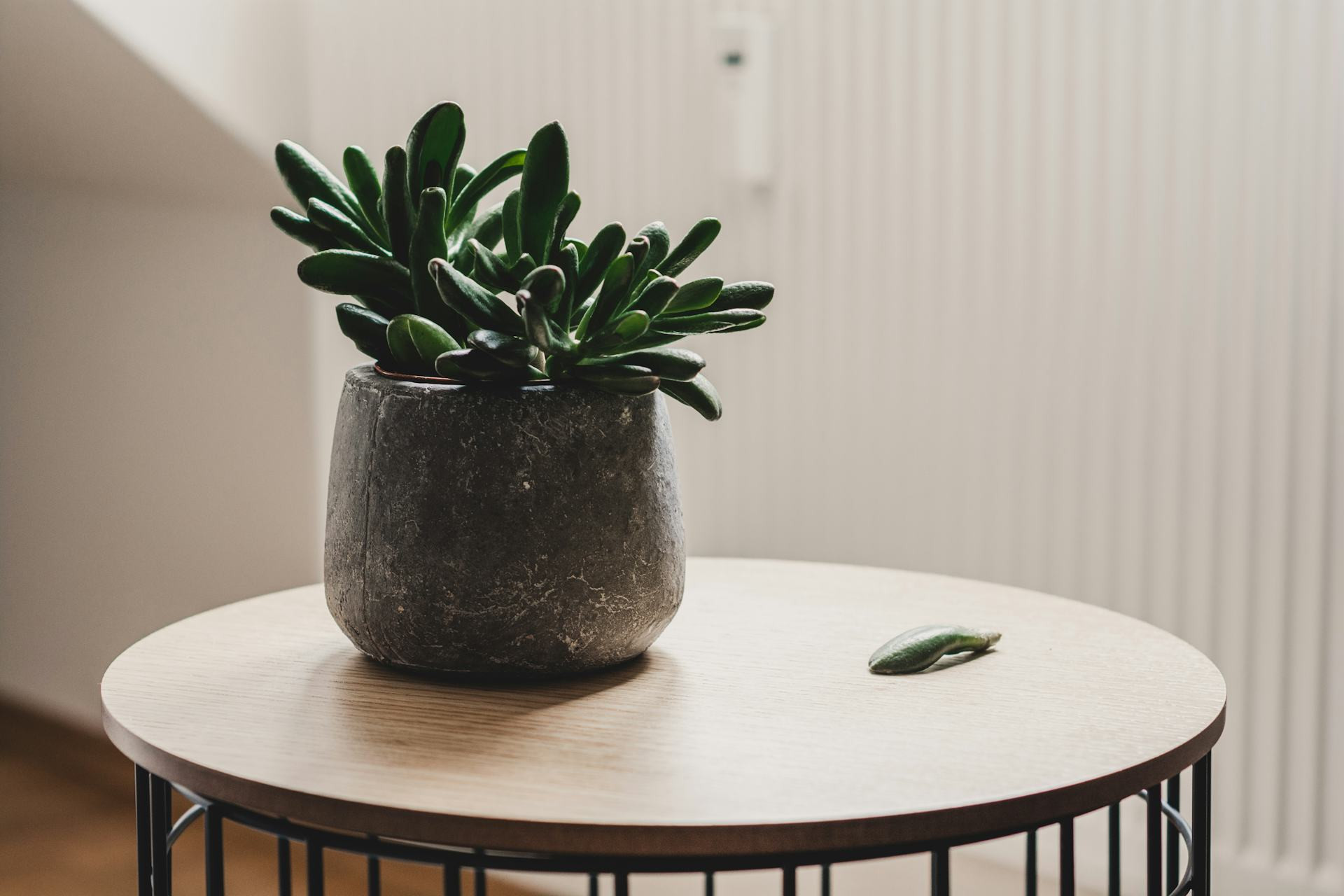
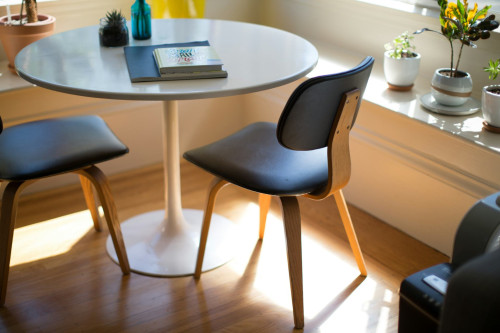
The magic happens where cool and warm materials meet. A dining table with a timber top and powder-coated steel legs, for example, strikes a perfect balance between industrial and natural. Likewise, a marble coffee table can feel softer and more approachable when paired with a base in light ash or bamboo.
The trick is to let one material take the lead and use the other as a contrast. If your kitchen features a lot of stainless steel, a timber table can break up the coolness. Conversely, in a home filled with timber furniture, a concrete or glass table can introduce a refreshing sense of modernity.
Colour, light, and texture
When mixing materials, it’s important to consider colour and light. Cool materials tend to reflect more light, while warm materials absorb it. In an Australian home with abundant natural light, a darker timber table can feel grounded and cosy, while a lighter stone or glass surface can help brighten a shaded space.
Texture also plays a big part. A rough concrete top feels tactile and raw, while a polished marble surface adds sophistication. Combining different textures can create depth and visual interest, even within a neutral colour palette.
Læs også:
Practical considerations
Beyond aesthetics, practicality matters too. Cool materials like stone and metal are durable and easy to clean but can feel hard or cold to the touch. Timber and other warm materials require more maintenance but offer a pleasant, natural feel.
Think about how the table will be used. A family dining table that sees daily meals might benefit from a tough, low-maintenance surface, while a coffee table in the living room can afford to be more decorative. Combining materials can give you the best of both worlds – functionality and beauty.
Create your own style
There are no strict rules for mixing cool and warm materials. The most important thing is to create a look that reflects your personality and lifestyle. Experiment with material samples and observe how they interact with the light in your home.
A good rule of thumb is to make contrasts intentional. When you confidently mix materials with different characters, your home feels layered, thoughtful, and alive – a place where both the modern and the natural can coexist in perfect balance.
Læs også: