Combine Care Principles for Optimal Plant Care

Discover how blending traditional and modern techniques can help every plant flourish
Flowers
Flowers
5 min
Learn how to combine different care principles to create the perfect environment for your plants. From watering and feeding to light, soil, and microclimates, this guide shows how a balanced approach leads to healthier, more resilient greenery – indoors and out.
Tegan Fisher
Tegan
Fisher

Combine Care Principles for Optimal Plant Care

Discover how blending traditional and modern techniques can help every plant flourish
Flowers
Flowers
5 min
Learn how to combine different care principles to create the perfect environment for your plants. From watering and feeding to light, soil, and microclimates, this guide shows how a balanced approach leads to healthier, more resilient greenery – indoors and out.
Tegan Fisher
Tegan
Fisher

Helping your plants thrive isn’t just about watering them regularly. It’s about understanding their needs, environment, and growth patterns – and often combining different care principles. By blending traditional methods with modern techniques, you can create the best conditions for indoor plants, balcony greenery, and garden favourites alike. Here’s a guide to combining care principles for optimal plant health, tailored to Australian conditions.

Know Your Plant’s Nature – and Adapt Accordingly

The first step to healthier plants is understanding where they come from. A desert succulent has very different needs from a rainforest fern. When you know a plant’s natural habitat, you can better replicate those conditions at home.

  • Light: Many native Australian plants, like kangaroo paw or grevillea, love full sun, while tropical species prefer filtered light.
  • Water: Plants from humid regions need consistent moisture, while drought-tolerant natives should dry out between waterings.
  • Temperature: Most plants prefer stable conditions. Protect sensitive species from extreme heat or cold snaps.

By combining knowledge of a plant’s origin with careful observation of how it behaves in your home or garden, you can fine-tune your care routine.

Water Wisely – Mix and Match Methods

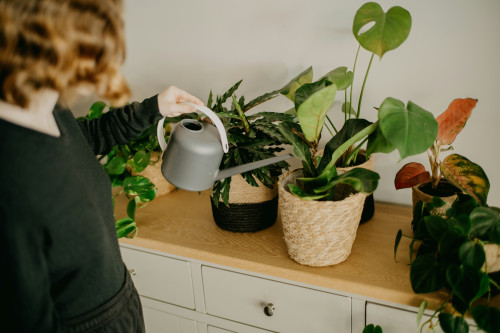
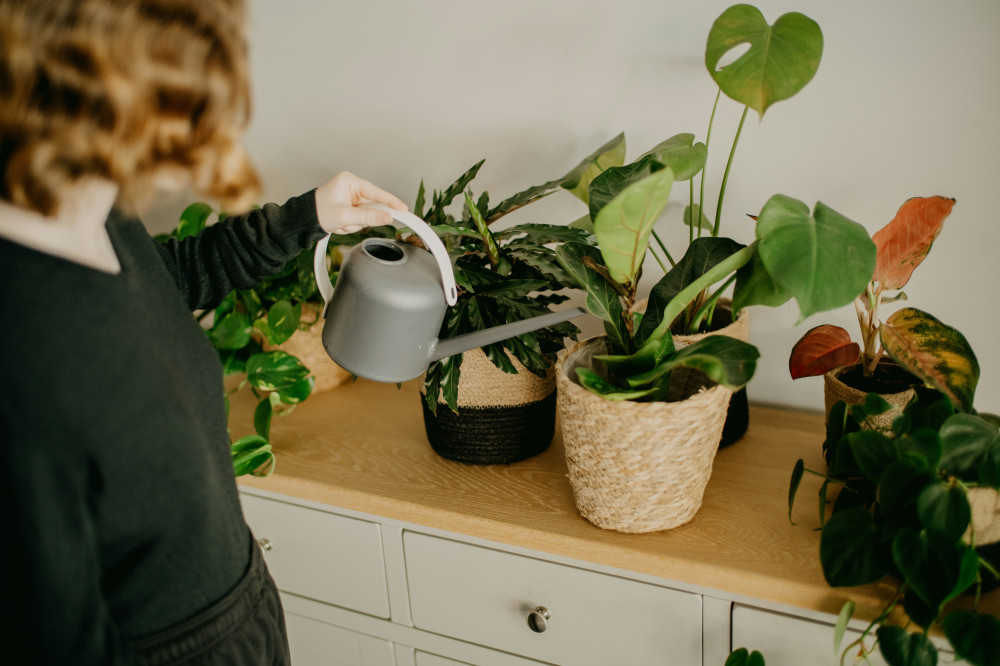
Watering is one of the most crucial yet commonly misunderstood aspects of plant care. Some plants prefer top watering, while others thrive with bottom watering, where roots absorb moisture as needed.

  • Bottom watering: Ensures even moisture and reduces the risk of root rot.
  • Top watering: Ideal for plants that enjoy a good soak, but make sure excess water can drain away.
  • Misting: Mimics natural humidity and benefits tropical plants, especially during dry Australian summers.

Combining these methods can be ideal. For example, bottom-water your plants every couple of weeks and mist them during hot, dry spells.

Feeding – Balancing Growth and Rest

Plants need nutrients, but too much fertiliser can do more harm than good. A good rule of thumb is to feed during the growing season (spring and summer) and ease off in cooler months.

Combine different types of fertiliser for balanced nutrition:

  • Liquid fertiliser for quick results.
  • Slow-release pellets for steady nourishment.
  • Organic compost or seaweed solution to enrich the soil and support beneficial microbes.

By varying your feeding approach, your plants receive both immediate energy and long-term support.

Light and Air – The Overlooked Essentials

Even the best watering and feeding won’t help if your plant isn’t getting enough light. Many indoor plants in Australia struggle during winter when daylight hours are shorter. Combine natural sunlight with grow lights to maintain healthy growth.

Fresh air is equally important. Opening windows or placing plants outdoors for short periods improves air circulation and reduces pest problems. Just avoid exposing them to harsh winds or sudden temperature changes.

Soil and Repotting – Give Roots Room to Grow

Soil is the foundation of plant health. A good mix should hold moisture while allowing air to reach the roots. Combine different materials for the best results:

  • Coconut coir or peat for moisture retention.
  • Perlite or coarse sand for drainage.
  • Compost or worm castings for nutrients.

Repotting every year or two gives roots space to expand and refreshes the soil. Choose a pot slightly larger than the old one, and always ensure it has drainage holes.

Create a Microclimate – Especially Indoors

Indoor plants thrive when you recreate their natural environment. You can do this by combining small adjustments:

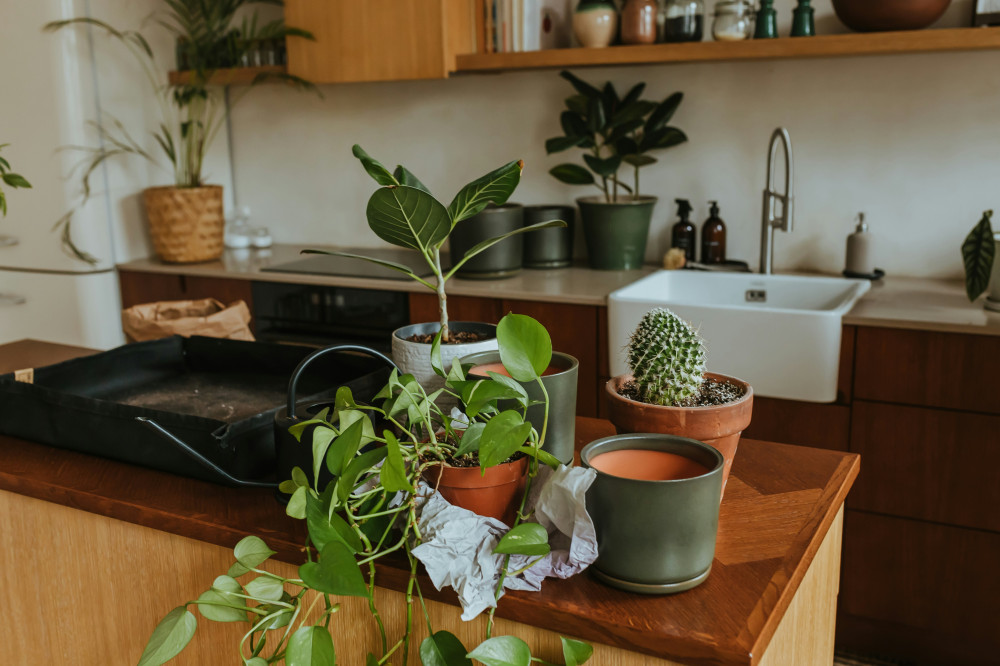
  • Group plants with similar needs to increase humidity.
  • Use trays with pebbles and water beneath pots to add moisture to the air.
  • Keep plants away from air conditioners, heaters, and draughty windows.

A stable microclimate helps plants adapt more easily and reduces stress.

Listen to Your Plants – and Adjust as You Go

Even with the best care principles, no two plants are exactly alike. Learn to read their signals: drooping leaves, discolouration, or slow growth all indicate something needs adjusting. You might need to water less, move the plant to a brighter spot, or pause fertilising.

Optimal plant care isn’t about following one method rigidly – it’s about combining principles and adapting them to each plant’s unique needs. When you find the right balance, your plants won’t just survive – they’ll flourish.

Give Your Plants More Light with Mirrors and Bright Walls
Make the most of your home’s natural light to help your indoor plants flourish
Flowers
Flowers
Indoor Plants
Home Decor
Natural Light
Plant Care
Interior Design
2 min
Even in rooms with limited sunlight, you can create a brighter environment for your plants. Learn how mirrors, bright walls, and smart placement can reflect and amplify natural light, giving your greenery the boost it needs to thrive.
Mason Hayes
Mason
Hayes
Combine Care Principles for Optimal Plant Care
Discover how blending traditional and modern techniques can help every plant flourish
Flowers
Flowers
Plant Care
Gardening
Indoor Plants
Sustainable Living
Home Gardening
5 min
Learn how to combine different care principles to create the perfect environment for your plants. From watering and feeding to light, soil, and microclimates, this guide shows how a balanced approach leads to healthier, more resilient greenery – indoors and out.
Tegan Fisher
Tegan
Fisher
Rotate Your Plants – How to Keep a Fresh Look All Year Round
Keep your indoor greenery vibrant by giving every plant its moment in the spotlight
Flowers
Flowers
Indoor Plants
Home Decor
Plant Care
Australian Homes
Interior Styling
5 min
Discover how a simple habit of rotating your plants can make a big difference to their health and your home’s appearance. Learn easy ways to adapt your plant care routine to Australia’s changing light and seasons for a fresh, balanced look all year round.
Connor Green
Connor
Green
Plants for the Patio: How to Choose Ones That Can Withstand the Elements
Transform your patio into a lush retreat with plants that thrive in any weather
Flowers
Flowers
Patio Plants
Outdoor Living
Gardening Tips
Climate-Resistant Plants
Home and Garden
7 min
Discover how to choose patio plants that can handle Australia’s changing climate. Learn which hardy varieties, pots, and care routines will keep your outdoor space green and inviting all year round.
Matthew Ross
Matthew
Ross
Green Plants as Natural Air Purifiers in Modern Homes
Bring freshness and vitality into your home with the natural power of green plants
Flowers
Flowers
Indoor Plants
Air Quality
Home Decor
Healthy Living
Sustainability
7 min
Discover how indoor plants can do more than just beautify your living space. Learn which species help purify the air, reduce toxins, and promote a healthier, more comfortable home environment for modern Australian living.
Lily Wood
Lily
Wood
Rustic Outdoor Living: Create an Atmospheric Garden with Natural Materials
Bring warmth and authenticity to your garden with natural textures and timeless materials
Furniture
Furniture
Rustic Garden
Outdoor Living
Natural Materials
Garden Design
Home Decor
3 min
Discover how to design a rustic outdoor space that feels harmonious, inviting, and connected to nature. Learn how to use natural materials, thoughtful details, and low-maintenance plants to create a garden full of atmosphere and character.
Mason Hayes
Mason
Hayes
From Baroque to Sustainability – The Journey of Furniture Design Through the Centuries
Discover how centuries of design evolution have shaped the furniture we live with today
Furniture
Furniture
Furniture Design
Interior Design
History of Design
Sustainability
Home Decor
2 min
From the ornate craftsmanship of the Baroque era to the eco-conscious designs of the present, furniture has always reflected the spirit of its time. Explore how changing aesthetics, materials, and values have influenced the way we create and experience furniture across generations.
Tegan Fisher
Tegan
Fisher
Share, Swap and Borrow: A Sustainable Path to More Responsible Living
Discover how sharing, swapping, and borrowing can make everyday living more sustainable and connected
Furniture
Furniture
Sustainability
Community
Eco Living
Minimalism
Responsible Consumption
4 min
Learn how embracing shared resources and community exchange can reduce waste, save money, and foster stronger neighbourhood ties. This article explores practical ways Australians can live more responsibly by rethinking ownership and consumption.
Connor Green
Connor
Green