Plan lighting to make the most of natural daylight

Plan lighting to make the most of natural daylight
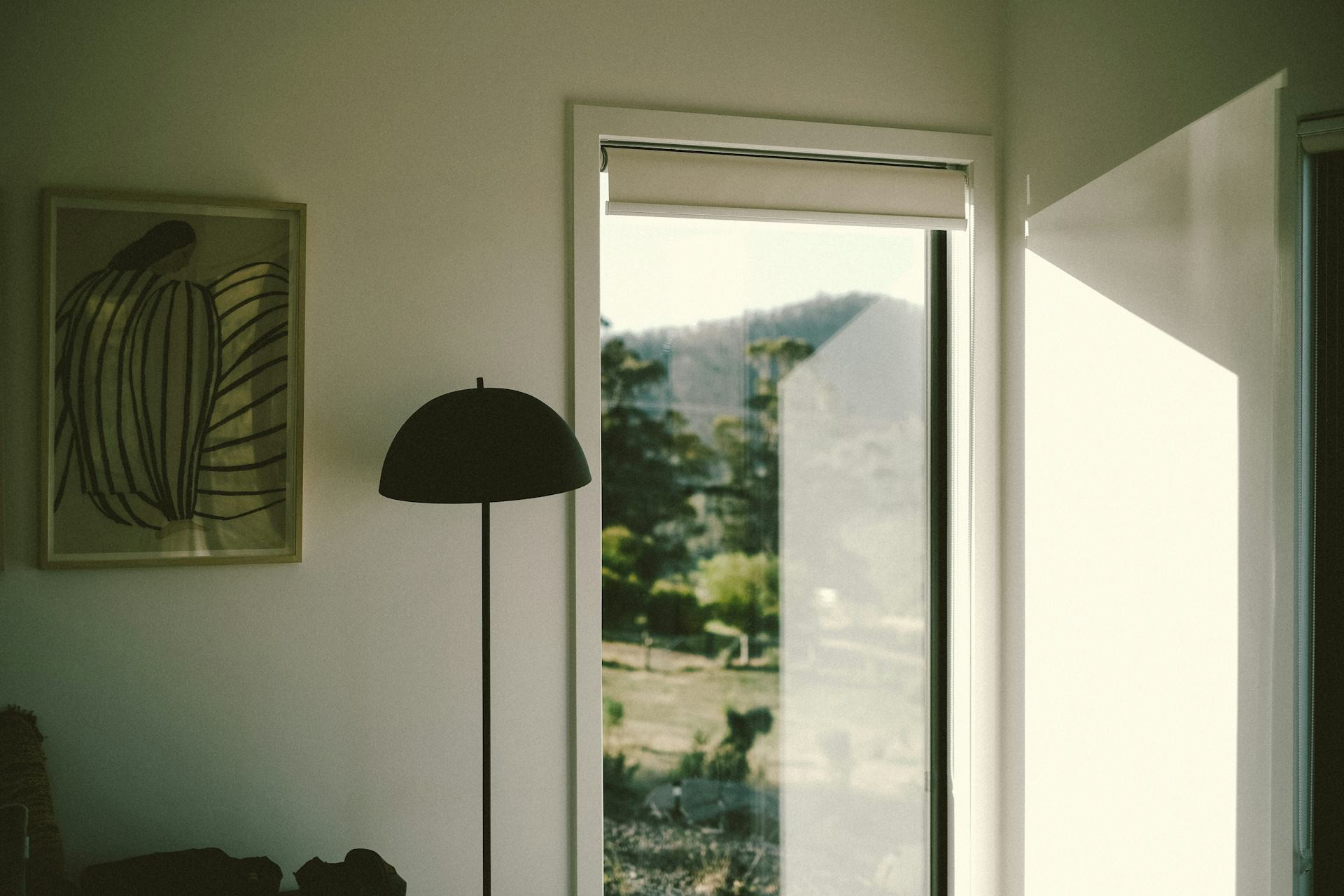
Daylight is not only free – it’s also the most comfortable and natural form of light you can bring into your home. When planning your lighting, it’s not just about choosing the right lamps, but also about understanding how to make the most of the sunlight that moves through your rooms each day. A thoughtful balance between natural and artificial light can make your home feel brighter, more energy-efficient, and more inviting.
Start by mapping the daylight in your home
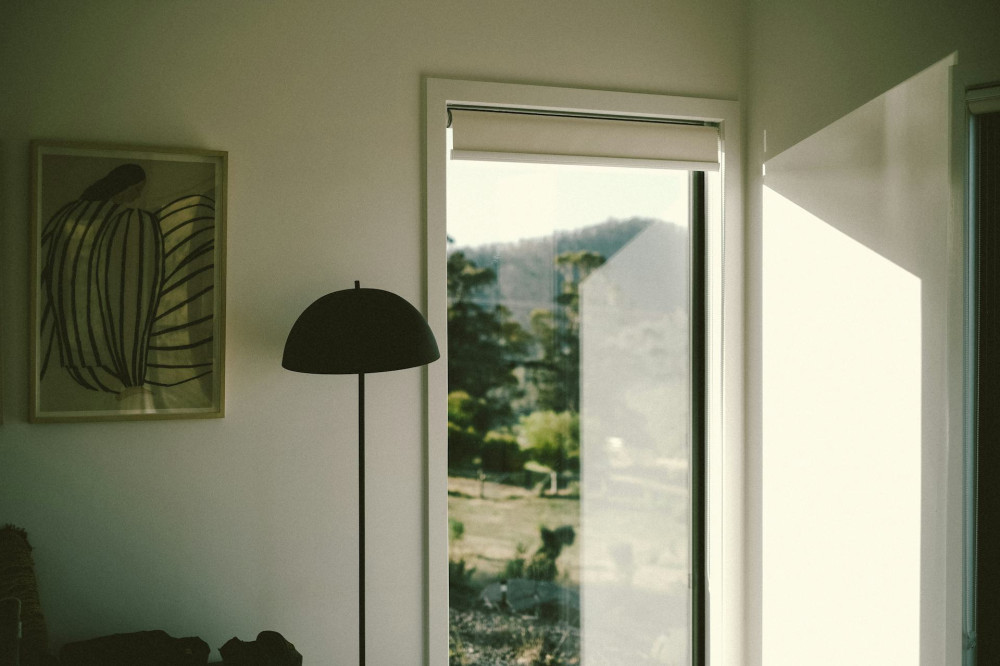
Before you start choosing light fittings, take time to observe how sunlight moves through your home. Which windows catch the morning sun, and which rooms glow in the afternoon? Are there areas that stay dim even at midday?
- North-facing rooms in Australia receive consistent, cooler light throughout the day. They can feel a little flat, so add warm, diffused artificial light to balance the tone.
- South-facing rooms get strong, direct sunlight and can become quite warm. Use sheer curtains or blinds to soften the glare and control heat.
- East-facing rooms are bathed in gentle morning light – perfect for kitchens or breakfast areas.
- West-facing rooms enjoy golden afternoon light, ideal for living rooms or outdoor spaces where you relax in the evening.
Once you understand how daylight behaves in your home, you can plan your lighting to complement it rather than compete with it.
Læs også:
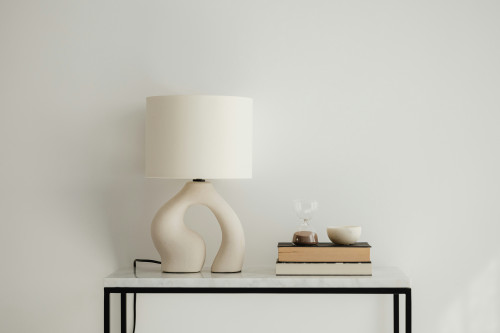
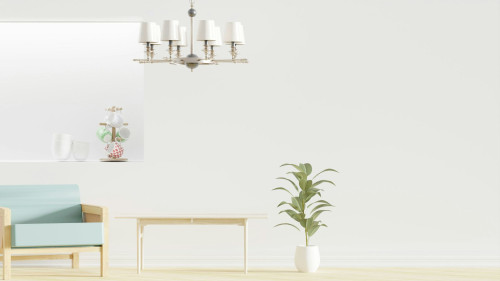
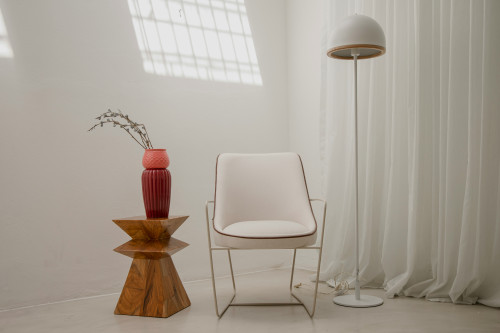
Design with light in mind
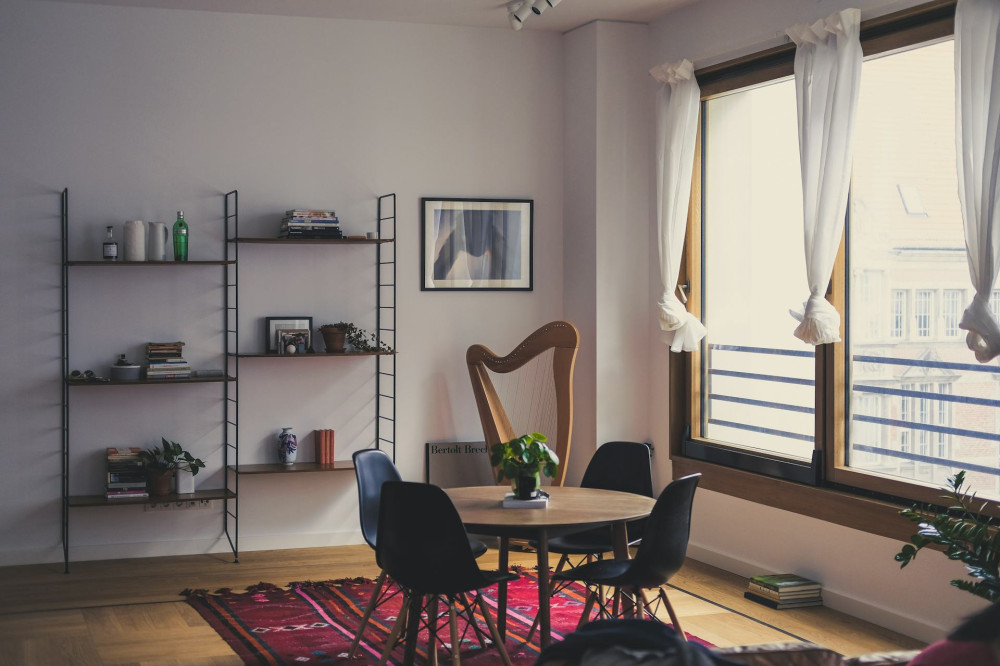
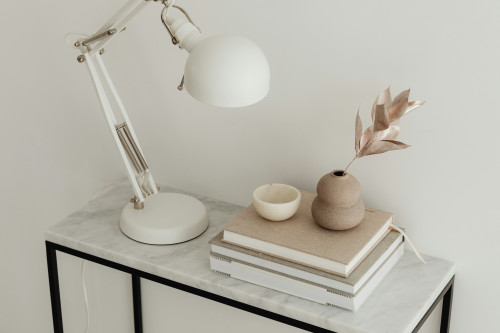
Your choice of colours, materials, and furniture placement all affect how daylight feels. Light-coloured walls and ceilings reflect sunlight, making rooms appear larger and more open, while darker tones absorb light and create a more intimate atmosphere.
Position work areas – such as desks, kitchen benches, or reading nooks – close to windows to take advantage of natural light. Avoid placing tall furniture in front of windows, as it can block valuable daylight. If possible, consider open-plan layouts or glass doors to allow light to flow freely between spaces.
Combine daylight and artificial light
Even in Australia’s bright climate, there are times when natural light isn’t enough. That’s why it’s important to plan artificial lighting that supports daylight in a natural way.
Think in three layers of lighting:
- General lighting – ceiling lights or recessed fittings that provide even illumination throughout the room.
- Task lighting – focused light for specific activities such as cooking, reading, or working.
- Accent lighting – lamps or wall lights that create atmosphere and highlight features, such as artwork or architectural details.
By combining these layers, you can create flexible lighting that adapts to both daylight and your daily activities.
Use technology to control your lighting
Modern lighting technology makes it easy to adjust light levels to match the time of day. With dimmable LED bulbs and smart home systems, you can fine-tune brightness and colour temperature so your indoor light feels natural alongside the daylight outside.
In the morning, choose cooler, whiter light to help you wake up and feel alert. In the evening, switch to warmer, softer tones that encourage relaxation. This approach supports your body’s natural rhythm and helps create a comfortable atmosphere all day long.
Think sustainably – for the planet and your wallet
Making the most of daylight is also about saving energy. The more you rely on sunlight, the less electricity you use for artificial lighting. Choose energy-efficient LED bulbs and install sensors or timers so lights are only on when needed.
You can also improve daylight access by keeping windows clean, using light curtains, or adding skylights to darker areas. Small changes can make a big difference to both comfort and energy use.
Create a home that follows the rhythm of light
When you plan your lighting around natural daylight, your home feels more balanced and alive. Light becomes part of your interior design – not just a necessity, but a feature that changes with the seasons and the time of day.
It’s not about having the most lamps, but about using light wisely. With a little planning, you can create a home where daylight takes centre stage – and artificial light simply steps in when the sun goes down.
Læs også: