Create Spatial Zones at Home with Ambient Lighting

Create Spatial Zones at Home with Ambient Lighting
Lighting is about much more than visibility – it shapes atmosphere, comfort, and the way we use our homes. With the right approach, light can define different areas within a space without the need for walls or bulky furniture. This is especially useful in modern Australian homes, where open-plan living is common and natural light plays a big role. Here’s how you can use ambient lighting to create spatial zones that feel both functional and inviting.
Light as a Room Divider
Open-plan layouts are great for airflow and connection, but they can blur the boundaries between living, dining, and working areas. Lighting is a subtle yet powerful way to define these zones. By adjusting brightness, colour temperature, and direction, you can visually separate spaces while keeping the overall flow intact.
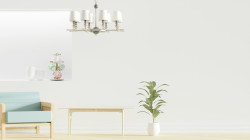
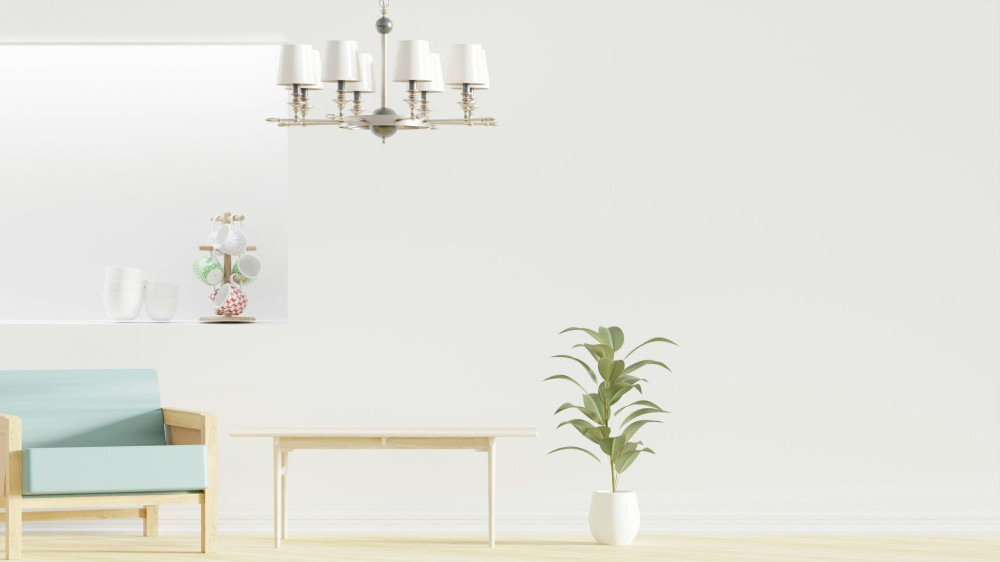
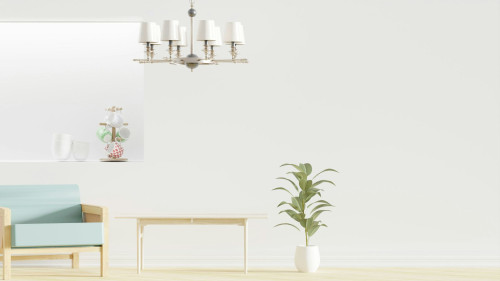
- Over the dining table, a pendant light with warm, focused illumination draws people together and creates a cosy atmosphere for meals.
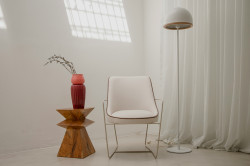
- In the living area, use dimmable lamps or indirect lighting to encourage relaxation and conversation.
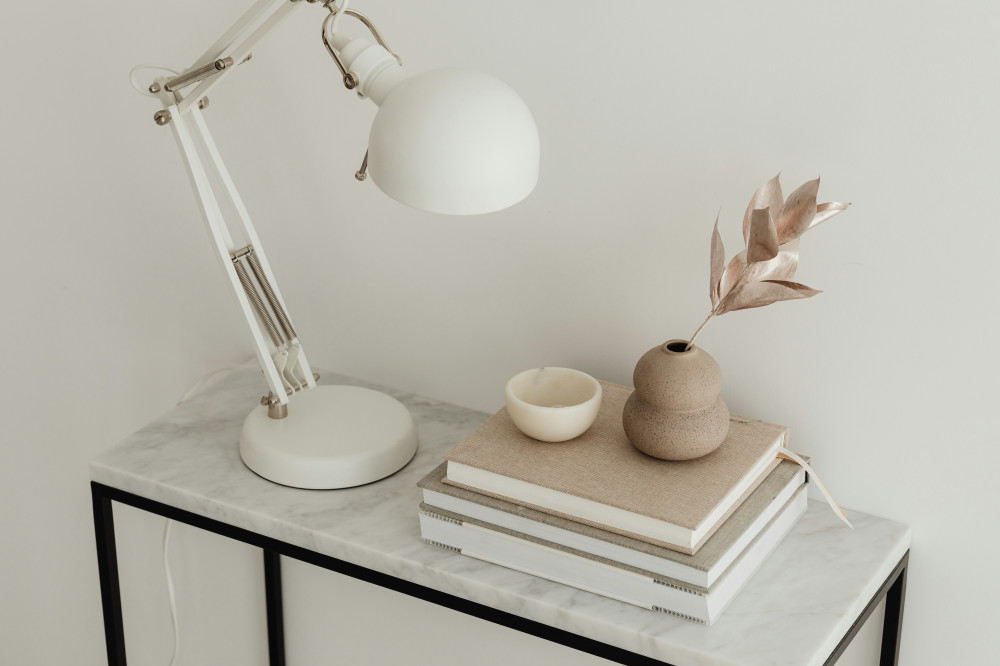
- At your workspace, opt for neutral, task-oriented lighting that helps you stay alert and focused.
Think of lighting as a layering tool – combining different sources and intensities to shape how each part of the room feels and functions.
Læs også:
Balancing Function and Mood
Good lighting design balances practicality with ambience. You want enough light to cook, read, or work, but also the ability to soften the mood when it’s time to unwind. Combining general, task, and ambient lighting gives you flexibility throughout the day.
- General lighting provides overall brightness and safety.
- Task lighting supports specific activities like cooking or studying.
- Ambient lighting adds warmth, depth, and personality.
By blending these layers, you can easily shift from a bright, active space during the day to a calm, intimate setting at night.
Make Use of Materials and Surfaces
Light interacts with surfaces in fascinating ways. A matte wall diffuses light softly, while glossy finishes reflect it more directly. You can use this to your advantage when designing zones.
Try highlighting a textured brick wall with an upward-facing lamp to bring out its character, or place a light behind a plant to cast gentle, organic shadows. These small touches add depth and help each zone feel distinct without physical barriers.
Dimming and Flexibility
One of the simplest ways to change the mood of a space is by adjusting brightness. Dimmable bulbs or smart lighting systems let you fine-tune the atmosphere instantly – from a bright workspace to a relaxed evening nook.
Consider setting up separate lighting circuits or smart zones so you can control different areas independently. This not only saves energy but also makes it easier to adapt your lighting to the time of day or activity.
Colour Temperature and the Feel of a Space
The colour temperature of light – whether it’s warm or cool – has a big impact on how a room feels.
- Warm light (around 2700–3000 K) creates a sense of comfort and is ideal for living rooms and bedrooms.
- Cooler light (4000 K and above) feels crisp and energising, perfect for kitchens, studies, or bathrooms.
By varying colour temperature between zones, you can support each area’s purpose and create a natural flow through your home.
Personalise Your Lighting
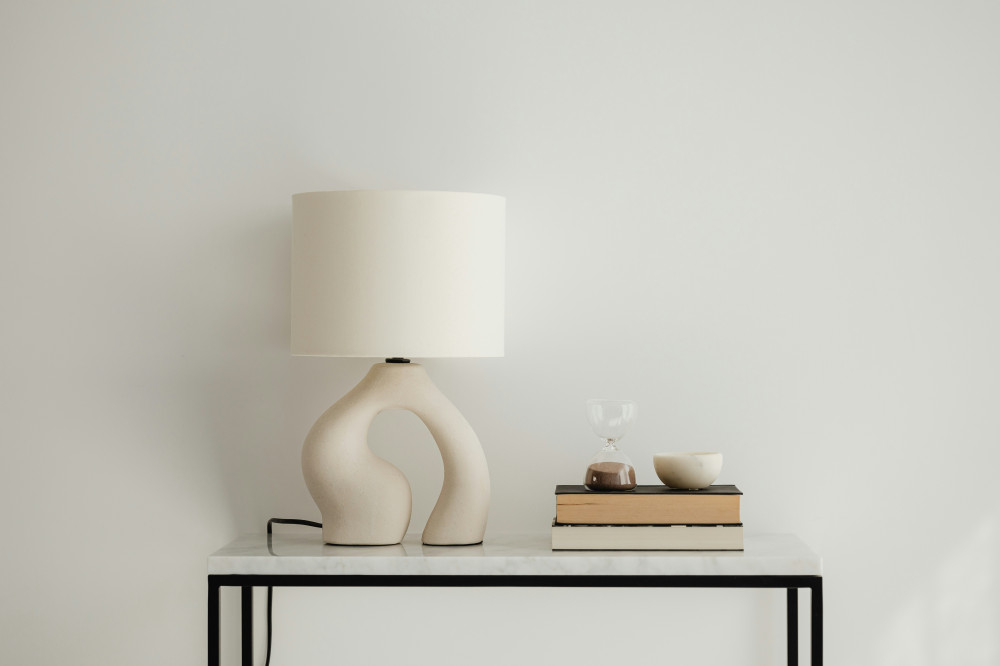
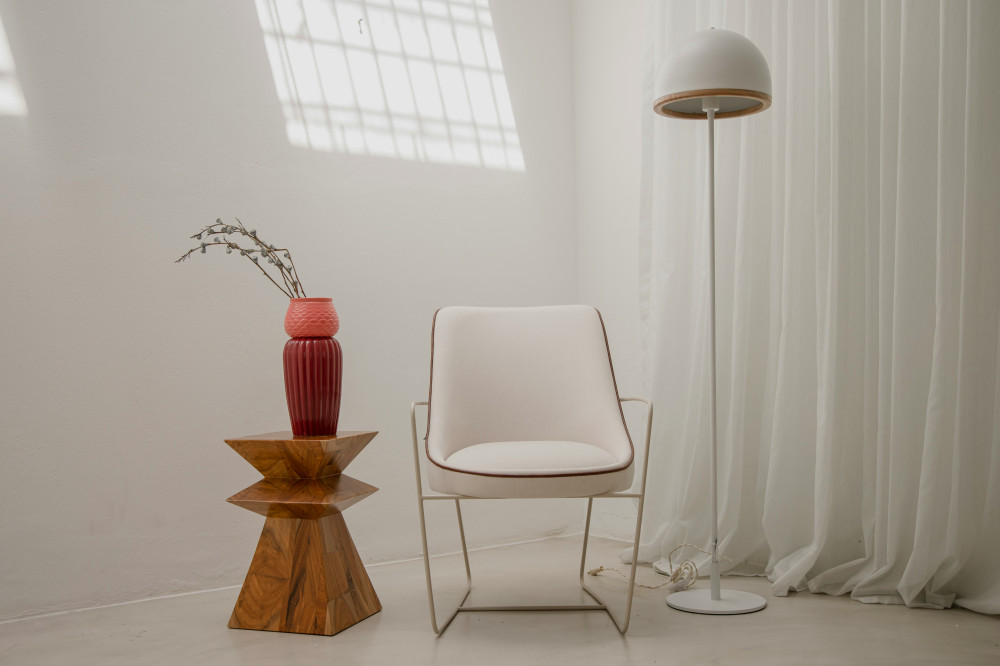
Ambient lighting is ultimately about expressing your personality. Choose fixtures that reflect your style – whether that’s coastal, minimalist, or mid-century modern. Don’t be afraid to experiment with colour, texture, or hidden LED strips to add character.
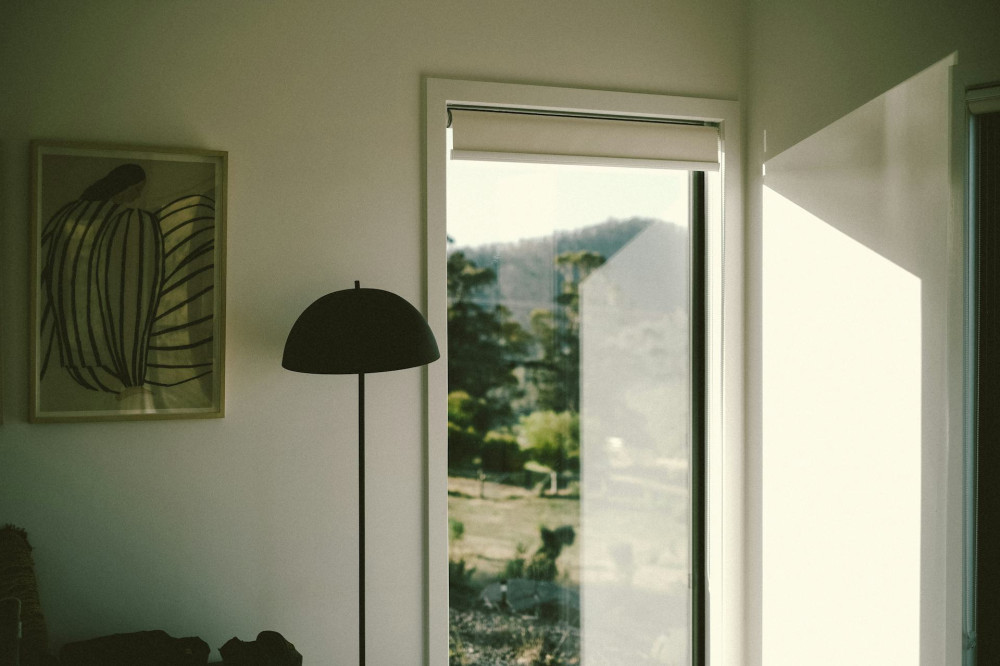
Pay attention to how natural light changes throughout the day. In many Australian homes, sunlight can be intense, so consider how artificial lighting complements it. A space that feels bright and airy in the morning can become warm and intimate in the evening with the right adjustments.
Light That Shapes Everyday Life
When you start thinking intentionally about lighting, you’ll notice how much it influences mood and behaviour. It can make a large open space feel cohesive or give a quiet corner new purpose. Ambient lighting isn’t just about aesthetics – it’s about wellbeing and comfort. With a few thoughtful choices, you can create a home that feels balanced, flexible, and alive from sunrise to sunset.
Læs også: