Furniture and Daylight: How to Arrange Your Home to Make the Most of Natural Light

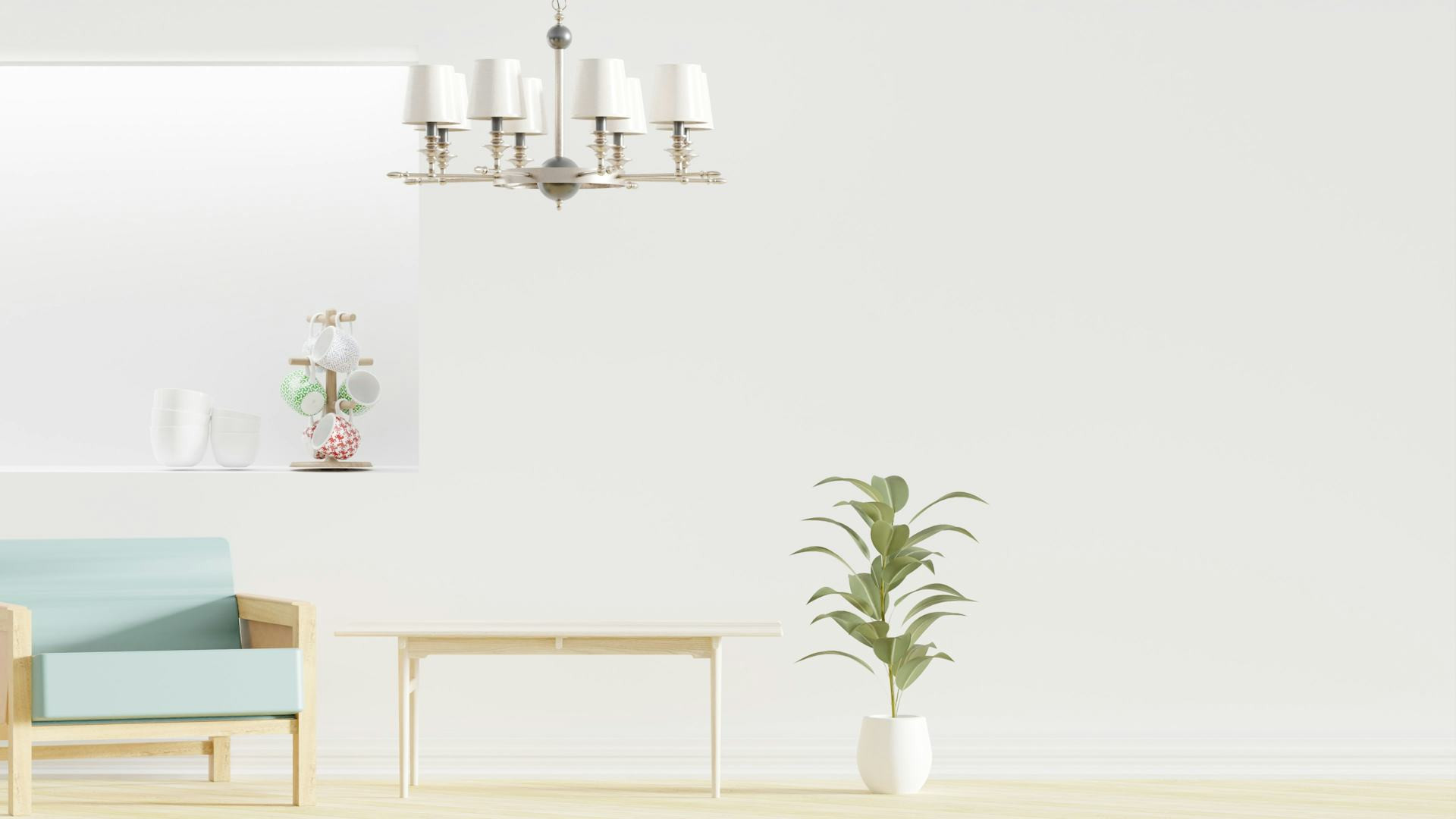
Brighten your living spaces by arranging furniture to welcome and enhance natural light
Light
Light
4 min
Discover how thoughtful furniture placement, colour choices, and materials can transform the way daylight flows through your home. Learn simple design strategies to create rooms that feel open, balanced, and full of life from sunrise to sunset.
Connor Green
Connor
Green

Furniture and Daylight: How to Arrange Your Home to Make the Most of Natural Light

Brighten your living spaces by arranging furniture to welcome and enhance natural light
Light
Light
4 min
Discover how thoughtful furniture placement, colour choices, and materials can transform the way daylight flows through your home. Learn simple design strategies to create rooms that feel open, balanced, and full of life from sunrise to sunset.
Connor Green
Connor
Green

Natural light is one of the most powerful elements in home design. It shapes how we feel, how we use our spaces, and even how colours appear. In Australia, where sunlight is abundant but often intense, making the most of daylight is about balance – letting the light in while keeping your home comfortable and inviting. With a few thoughtful choices in furniture placement, materials, and colours, you can transform the way your home feels from morning to evening.

Understand the Direction of the Sun

Before rearranging your furniture, take time to observe how sunlight moves through your home during the day.

  • North-facing rooms in Australia receive consistent, gentle light throughout the day – perfect for living areas or home offices.
  • East-facing rooms are bathed in soft morning light, ideal for bedrooms or breakfast nooks.
  • West-facing rooms get strong afternoon sun, which can be warm and golden but also harsh in summer.
  • South-facing rooms tend to be cooler and shadier, making them great for spaces where you want a calm, even light.

Once you understand how the sun interacts with each room, you can arrange furniture and choose materials that complement the light rather than fight it.

Keep Windows Clear and Airy

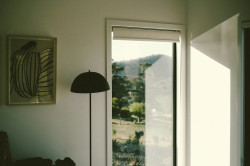
It sounds simple, but many homes lose valuable daylight because windows are blocked. Avoid placing tall furniture, heavy curtains, or large plants directly in front of windows. Opt for lightweight fabrics such as linen or cotton that filter sunlight without shutting it out. If you need privacy or shade, sheer blinds or adjustable shutters are excellent choices for the Australian climate.

Keep window sills uncluttered – a single plant or decorative object is enough. The goal is to let the light flow freely into the room.

Choose Colours That Reflect Light

Colour plays a huge role in how bright a room feels. Light tones reflect sunlight, while dark colours absorb it. For a fresh, open look, choose white, cream, or pale sand tones on walls and ceilings. These hues work beautifully with Australia’s natural light and coastal aesthetic. You can still add warmth and personality through artwork, cushions, and timber accents.

In darker rooms, consider semi-gloss paint to bounce light around without creating glare.

Use Mirrors and Glass to Amplify Light

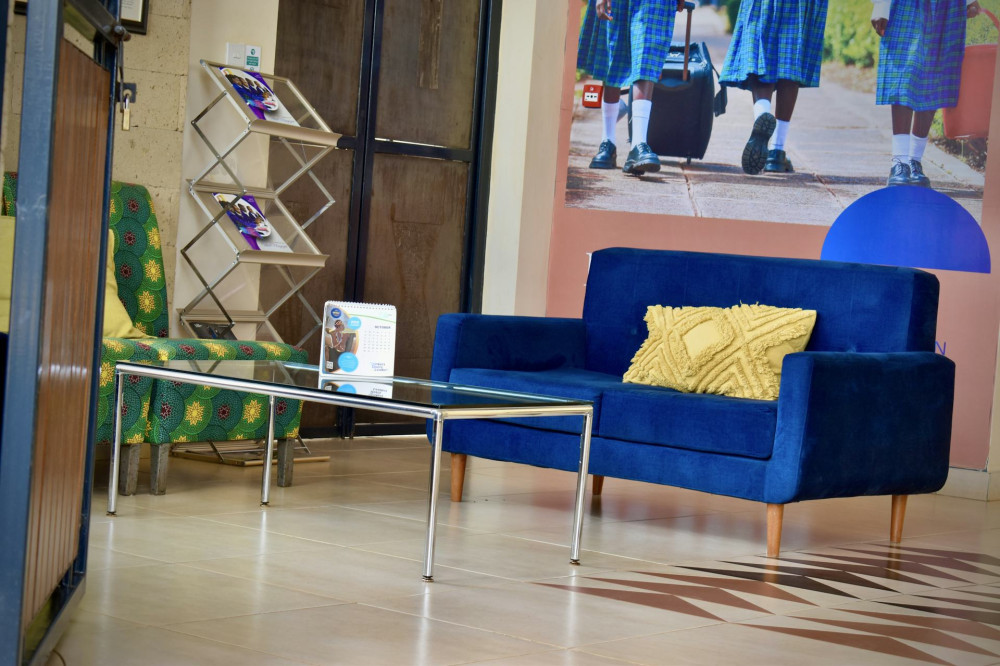
Mirrors are one of the easiest ways to enhance daylight. Place a large mirror opposite or diagonally from a window to reflect light deeper into the room. Glass and reflective surfaces – such as glass coffee tables, metallic frames, or glossy tiles – can also help distribute light. Just use them sparingly to avoid a cold or overly shiny look.

If your home has internal hallways or darker corners, glass doors or translucent panels can help light travel from one space to another.

Arrange Furniture for Flow and Openness

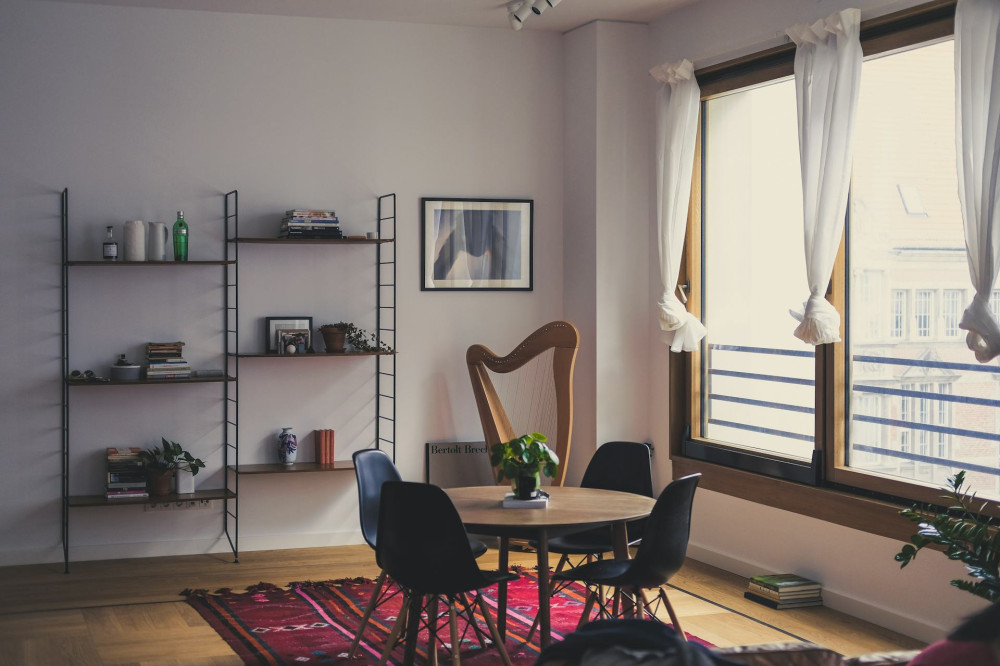
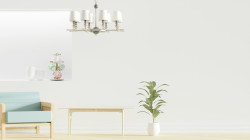
Bulky furniture can block light and make a room feel heavy. Create breathing space around large pieces so light can move freely.

  • Keep sofas and bookcases away from windows.
  • Choose furniture with legs to allow light to pass underneath.
  • Avoid overcrowding – fewer, well-chosen pieces make a room feel brighter and more spacious.

Light timber furniture, rattan, and minimalist designs suit the Australian lifestyle and help maintain an airy atmosphere.

Bring in Plants That Thrive in Light

Indoor plants not only add life but also interact beautifully with natural light. Choose species that suit the light levels in each room. In bright, north-facing spaces, try fiddle-leaf figs, monsteras, or succulents. For shadier corners, ferns, peace lilies, or snake plants are great options. Plants with glossy leaves can reflect light and add a fresh, vibrant touch to your interiors.

Balance Daylight with Artificial Lighting

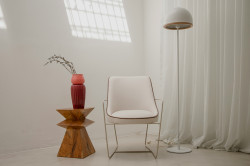
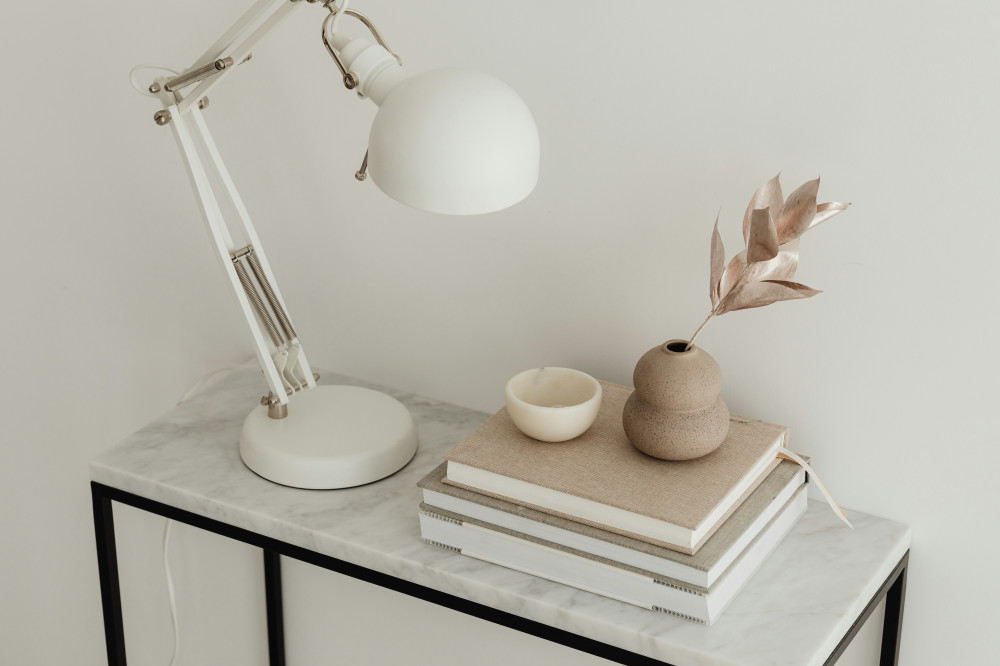
Even in a sun-filled home, you’ll need to think about how the space feels after sunset. Choose lighting that complements natural light – warm, diffused lamps that create a soft glow rather than harsh contrasts. Layer your lighting with a mix of ceiling lights, floor lamps, and wall sconces to maintain a comfortable atmosphere throughout the evening.

A Home That Feels Open and Alive

Designing with daylight isn’t just about aesthetics – it’s about wellbeing. When natural light fills your home, rooms feel larger, fresher, and more uplifting. With a few simple adjustments – moving a sofa, adding a mirror, or swapping heavy curtains for lighter ones – you can create a home that celebrates Australia’s beautiful light and feels good to live in every day.

Create Spatial Zones at Home with Ambient Lighting
Use light to define spaces and enhance the atmosphere in your home
Light
Light
Ambient Lighting
Interior Design
Home Decor
Open-Plan Living
Lighting Ideas
2 min
Discover how ambient lighting can transform open-plan living areas into distinct yet harmonious zones. Learn practical ways to use light for function, comfort, and style—without adding walls or clutter.
Mason Hayes
Mason
Hayes
Replace Light Sources Without Changing Your Lighting Plan
Upgrade your lighting effortlessly with smarter, energy-saving choices
Light
Light
Lighting
Home Improvement
Interior Design
Energy Efficiency
LED
6 min
Discover how to refresh your home’s lighting by simply replacing bulbs and fittings—no need to redesign your entire lighting plan. Learn how to maintain the right brightness, colour temperature, and style while improving efficiency and comfort.
Tegan Fisher
Tegan
Fisher
Furniture and Daylight: How to Arrange Your Home to Make the Most of Natural Light
Brighten your living spaces by arranging furniture to welcome and enhance natural light
Light
Light
Interior Design
Home Decor
Natural Light
Furniture Arrangement
Living Spaces
4 min
Discover how thoughtful furniture placement, colour choices, and materials can transform the way daylight flows through your home. Learn simple design strategies to create rooms that feel open, balanced, and full of life from sunrise to sunset.
Connor Green
Connor
Green
Lamps with a Sense of Humour – When Lighting Creates Playfulness and Personality
Add personality and playfulness to your home with lamps that make you smile
Light
Light
Lighting Design
Home Decor
Interior Inspiration
Playful Design
Modern Living
5 min
Discover how humorous and imaginative lighting designs can transform your interior. From quirky shapes to witty details, explore how lamps with character bring warmth, creativity, and individuality to any room.
Matthew Ross
Matthew
Ross
Plan lighting to make the most of natural daylight
Brighten your home by blending natural daylight with smart lighting design
Light
Light
Lighting Design
Home Decor
Natural Light
Energy Efficiency
Interior Design
4 min
Discover how to plan your lighting to make the most of the daylight that flows through your home. Learn to balance natural and artificial light for a brighter, more energy-efficient, and comfortable living environment.
Lily Wood
Lily
Wood
Rustic Outdoor Living: Create an Atmospheric Garden with Natural Materials
Bring warmth and authenticity to your garden with natural textures and timeless materials
Furniture
Furniture
Rustic Garden
Outdoor Living
Natural Materials
Garden Design
Home Decor
3 min
Discover how to design a rustic outdoor space that feels harmonious, inviting, and connected to nature. Learn how to use natural materials, thoughtful details, and low-maintenance plants to create a garden full of atmosphere and character.
Mason Hayes
Mason
Hayes
From Baroque to Sustainability – The Journey of Furniture Design Through the Centuries
Discover how centuries of design evolution have shaped the furniture we live with today
Furniture
Furniture
Furniture Design
Interior Design
History of Design
Sustainability
Home Decor
2 min
From the ornate craftsmanship of the Baroque era to the eco-conscious designs of the present, furniture has always reflected the spirit of its time. Explore how changing aesthetics, materials, and values have influenced the way we create and experience furniture across generations.
Tegan Fisher
Tegan
Fisher
Share, Swap and Borrow: A Sustainable Path to More Responsible Living
Discover how sharing, swapping, and borrowing can make everyday living more sustainable and connected
Furniture
Furniture
Sustainability
Community
Eco Living
Minimalism
Responsible Consumption
4 min
Learn how embracing shared resources and community exchange can reduce waste, save money, and foster stronger neighbourhood ties. This article explores practical ways Australians can live more responsibly by rethinking ownership and consumption.
Connor Green
Connor
Green