Sealing Doors and Windows – A Simple Way to Reduce Heat Loss and Save Energy

Keep your home warmer and your energy bills lower with simple sealing solutions
Energy
Energy
4 min
Discover how sealing small gaps around doors and windows can make a big difference to your home’s comfort and energy efficiency. Learn easy, affordable steps to reduce heat loss and enjoy a cosier living space during the cooler months.
Connor Green
Connor
Green

Sealing Doors and Windows – A Simple Way to Reduce Heat Loss and Save Energy

Keep your home warmer and your energy bills lower with simple sealing solutions
Energy
Energy
4 min
Discover how sealing small gaps around doors and windows can make a big difference to your home’s comfort and energy efficiency. Learn easy, affordable steps to reduce heat loss and enjoy a cosier living space during the cooler months.
Connor Green
Connor
Green

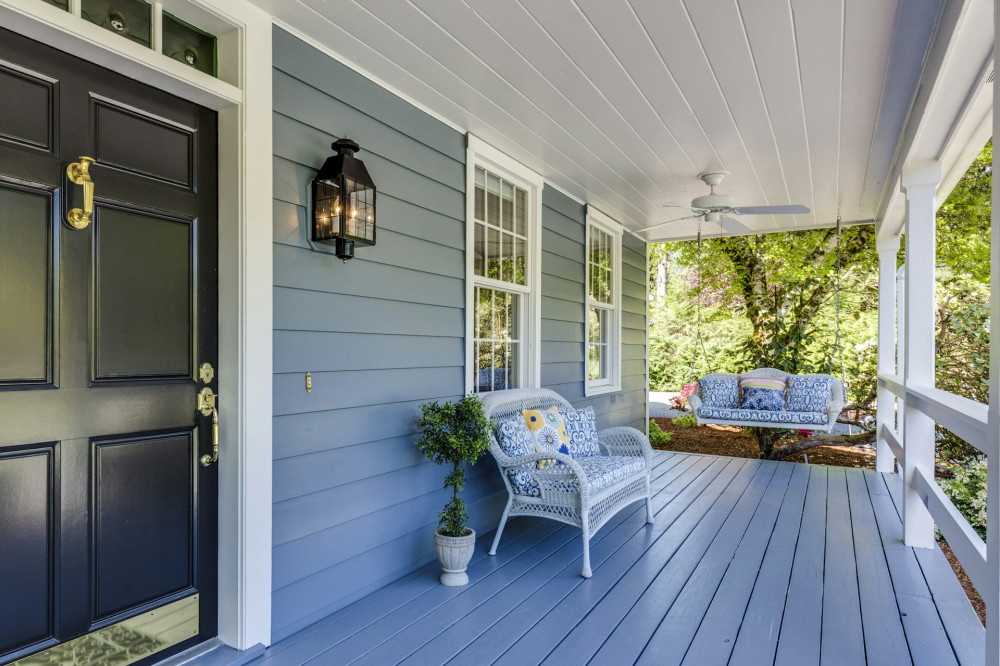
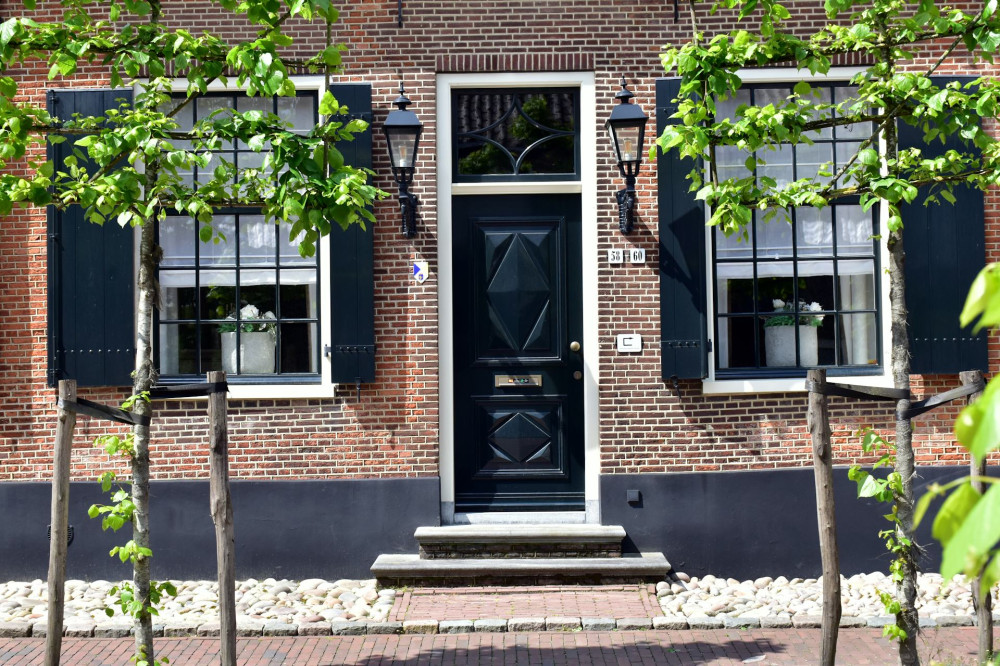
When the cooler months arrive and energy bills start to climb, much of the heat loss in Australian homes happens through small gaps around doors and windows. Sealing these gaps is one of the simplest and most affordable ways to improve comfort and reduce energy use. With a few basic materials and a bit of time, you can make a noticeable difference to your home’s warmth and efficiency.

Why Sealing Makes a Difference

Even tiny draughts can have a big impact. When warm air escapes and cold air seeps in, your heating system has to work harder to maintain a comfortable temperature. This means higher energy consumption and greater greenhouse gas emissions.

Good sealing can:

  • Reduce heat loss by up to 10–15% in older homes.
  • Improve comfort, by cutting down on draughts and cold spots.
  • Lower outside noise, especially in busy urban areas.
  • Extend the life of doors and windows by protecting them from moisture and wear.

How to Check for Draughts

You don’t need special equipment to find leaks – a few simple tests will do:

  • Candle test: Hold a lit candle near the edges of a window or door. If the flame flickers, air is moving through a gap.
  • Hand test: On a cool day, run your hand along the frame. If you feel a chill, there’s likely a leak.
  • Paper test: Close a piece of paper in the door or window. If it slides out easily, the seal isn’t tight enough.

Choosing the Right Seal

There are several types of sealing strips, and the best choice depends on the size of the gap and the material of your door or window.

  • Rubber (EPDM) seals – flexible, durable, and suitable for most doors and windows.
  • Foam strips – inexpensive and easy to install, but they wear out faster.
  • Silicone seals – very elastic and ideal for uneven surfaces.
  • Brush seals – great for external or sliding doors where there’s more movement.

Measure the gap before buying. A seal that’s too thick can stop the door or window from closing properly, while one that’s too thin won’t block the draught effectively.

Step-by-Step Guide

  1. Clean the surface. Remove old seals, paint flakes, and dust. Use a scraper and a bit of methylated spirits if needed.
  2. Measure and cut. Measure the sides to be sealed and cut the strip to length.
  3. Apply the seal. Most seals have a self-adhesive backing. Press it firmly along the edge, starting from the top and working down.
  4. Check the fit. Close the door or window to make sure it still shuts smoothly.
  5. Inspect regularly. Seals wear over time, so check them every year or two and replace if needed.

Extra Tips for Energy Savings

  • Seal around the letterbox with a brush strip or internal flap.
  • Check the attic hatch – warm air often escapes through the ceiling.
  • Use curtains or thermal blinds at night to keep heat in.
  • Consider double glazing if your windows are old – it’s a bigger investment but offers major insulation benefits.
  • Block unused vents or gaps around air conditioners when not in use.

A Small Effort with Big Results

Sealing doors and windows is a quick, low-cost DIY project that can make your home more comfortable and energy-efficient. It doesn’t require special skills or tools, yet it can noticeably reduce your heating bills and carbon footprint. In a country where energy costs and climate concerns are growing, this simple step is a smart move toward a more sustainable Australian home.

Less Waste, More Awareness: Plan Your Home Energy Use
Save energy, cut costs, and make your home more sustainable with simple planning
Energy
Energy
Energy Efficiency
Sustainable Living
Home Improvement
Environment
Australia
4 min
Discover how small changes in your daily energy habits can lead to big savings and a lighter environmental footprint. Learn practical ways to plan your home’s energy use, reduce waste, and build a more conscious household.
Mason Hayes
Mason
Hayes
Minimalist lighting creates calm and balance in the home
Discover how minimalist lighting can transform your home into a serene and balanced space
Energy
Energy
Minimalist Design
Home Lighting
Interior Design
Wellbeing
Sustainable Living
3 min
Explore the power of minimalist lighting and how thoughtful illumination can create calm, enhance wellbeing, and bring harmony to your home. Learn how natural light, simple design, and sustainable choices can make every room feel peaceful and inviting.
Tegan Fisher
Tegan
Fisher
Sealing Doors and Windows – A Simple Way to Reduce Heat Loss and Save Energy
Keep your home warmer and your energy bills lower with simple sealing solutions
Energy
Energy
Energy Efficiency
Home Improvement
Weatherproofing
Sustainable Living
DIY
4 min
Discover how sealing small gaps around doors and windows can make a big difference to your home’s comfort and energy efficiency. Learn easy, affordable steps to reduce heat loss and enjoy a cosier living space during the cooler months.
Connor Green
Connor
Green
Teach Kids to Think Energy: How Advice Inspires Action
Inspire children to see energy as a part of everyday life and a key to a sustainable future
Energy
Energy
Energy Education
Sustainability
Children
Family Learning
Environmental Awareness
6 min
Discover how to help kids understand energy beyond numbers and science. With curiosity, family involvement, and real-life examples, children can turn awareness into action and become ambassadors for a smarter, greener world.
Matthew Ross
Matthew
Ross
Heat Pumps and Humidity – How to Achieve a Healthy and Energy‑Efficient Indoor Climate
Balance temperature and humidity for comfort, health, and energy savings
Energy
Energy
Heat Pump
Indoor Climate
Energy Efficiency
Home Comfort
Humidity Control
2 min
Discover how your heat pump influences indoor humidity and learn practical ways to maintain a comfortable, healthy, and energy‑efficient home climate throughout the year.
Lily Wood
Lily
Wood
Rustic Outdoor Living: Create an Atmospheric Garden with Natural Materials
Bring warmth and authenticity to your garden with natural textures and timeless materials
Furniture
Furniture
Rustic Garden
Outdoor Living
Natural Materials
Garden Design
Home Decor
3 min
Discover how to design a rustic outdoor space that feels harmonious, inviting, and connected to nature. Learn how to use natural materials, thoughtful details, and low-maintenance plants to create a garden full of atmosphere and character.
Mason Hayes
Mason
Hayes
From Baroque to Sustainability – The Journey of Furniture Design Through the Centuries
Discover how centuries of design evolution have shaped the furniture we live with today
Furniture
Furniture
Furniture Design
Interior Design
History of Design
Sustainability
Home Decor
2 min
From the ornate craftsmanship of the Baroque era to the eco-conscious designs of the present, furniture has always reflected the spirit of its time. Explore how changing aesthetics, materials, and values have influenced the way we create and experience furniture across generations.
Tegan Fisher
Tegan
Fisher
Share, Swap and Borrow: A Sustainable Path to More Responsible Living
Discover how sharing, swapping, and borrowing can make everyday living more sustainable and connected
Furniture
Furniture
Sustainability
Community
Eco Living
Minimalism
Responsible Consumption
4 min
Learn how embracing shared resources and community exchange can reduce waste, save money, and foster stronger neighbourhood ties. This article explores practical ways Australians can live more responsibly by rethinking ownership and consumption.
Connor Green
Connor
Green