Less Waste, More Awareness: Plan Your Home Energy Use

Less Waste, More Awareness: Plan Your Home Energy Use
At home, energy use often feels effortless – the lights switch on, the air conditioner hums, and the washing machine spins. But behind every flick of a switch lies both a cost and a carbon footprint. By planning and becoming more aware of how and when you use energy, you can save money and reduce your environmental impact. Here’s how Australian households can make energy use more efficient and sustainable.
Know Your Usage – and Spot the Hidden Energy Hogs
The first step toward reducing energy use is understanding where it actually goes. Many Australians are surprised to learn how much electricity is consumed by standby power, outdated appliances, or inefficient cooling systems.
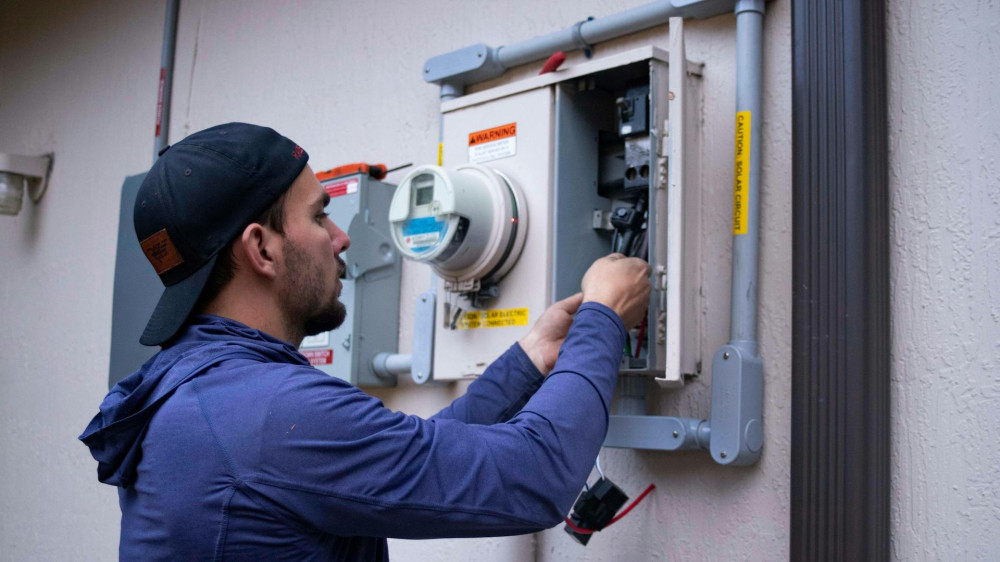
- Track your energy use. Most energy providers offer online tools or apps that show when and how you use electricity.
- Identify the big users. Old fridges, dryers, and halogen lights can be major culprits. Replacing them with energy-efficient models can make a big difference.
- Use smart power boards. These automatically cut power to devices not in use, reducing standby consumption.
Once you know your usage patterns, it’s easier to target the areas where you can make the biggest impact.
Plan Around the Day’s Energy Flow
Electricity demand and prices can vary throughout the day, especially if you’re on a time-of-use tariff. Shifting some of your energy use to off-peak times can save money and ease pressure on the grid.
- Use timers and smart plugs. Many modern appliances can be scheduled to run when electricity is cheaper or greener.
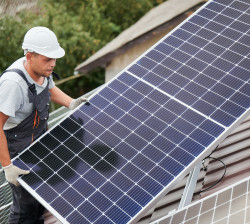
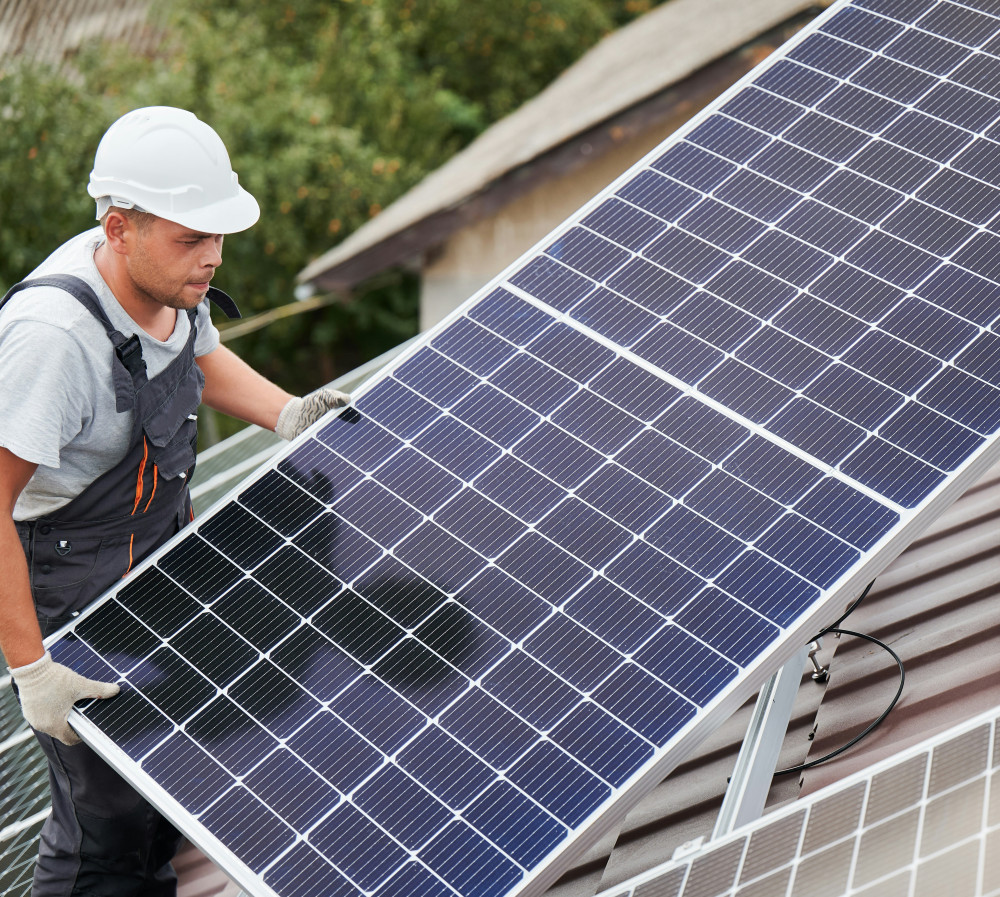
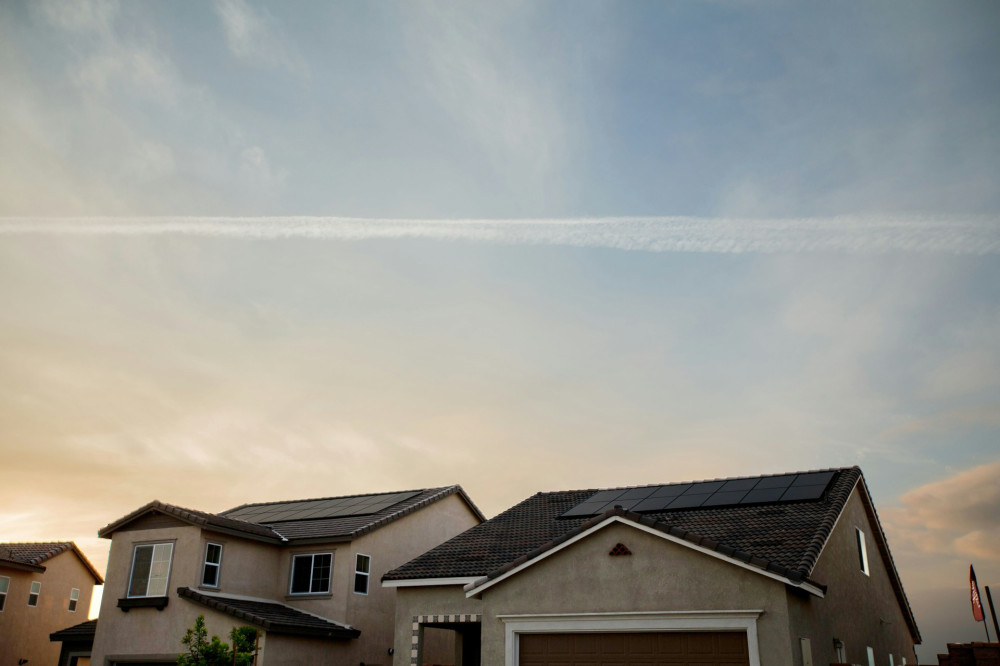
- Make the most of solar. If you have rooftop solar panels, plan energy-intensive tasks—like laundry or dishwashing—for the middle of the day when your system is generating the most power.
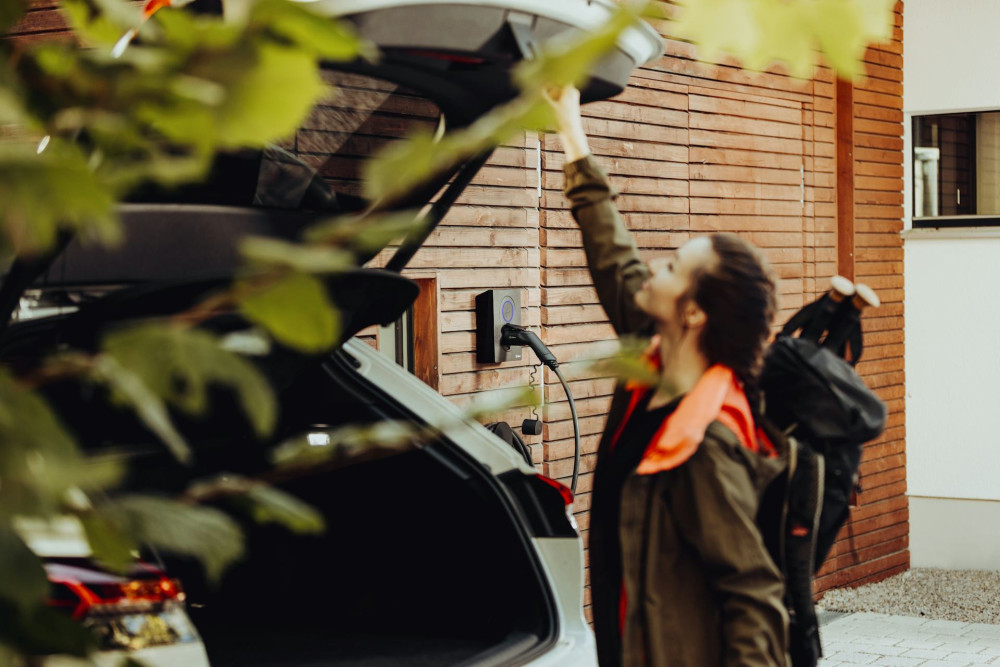
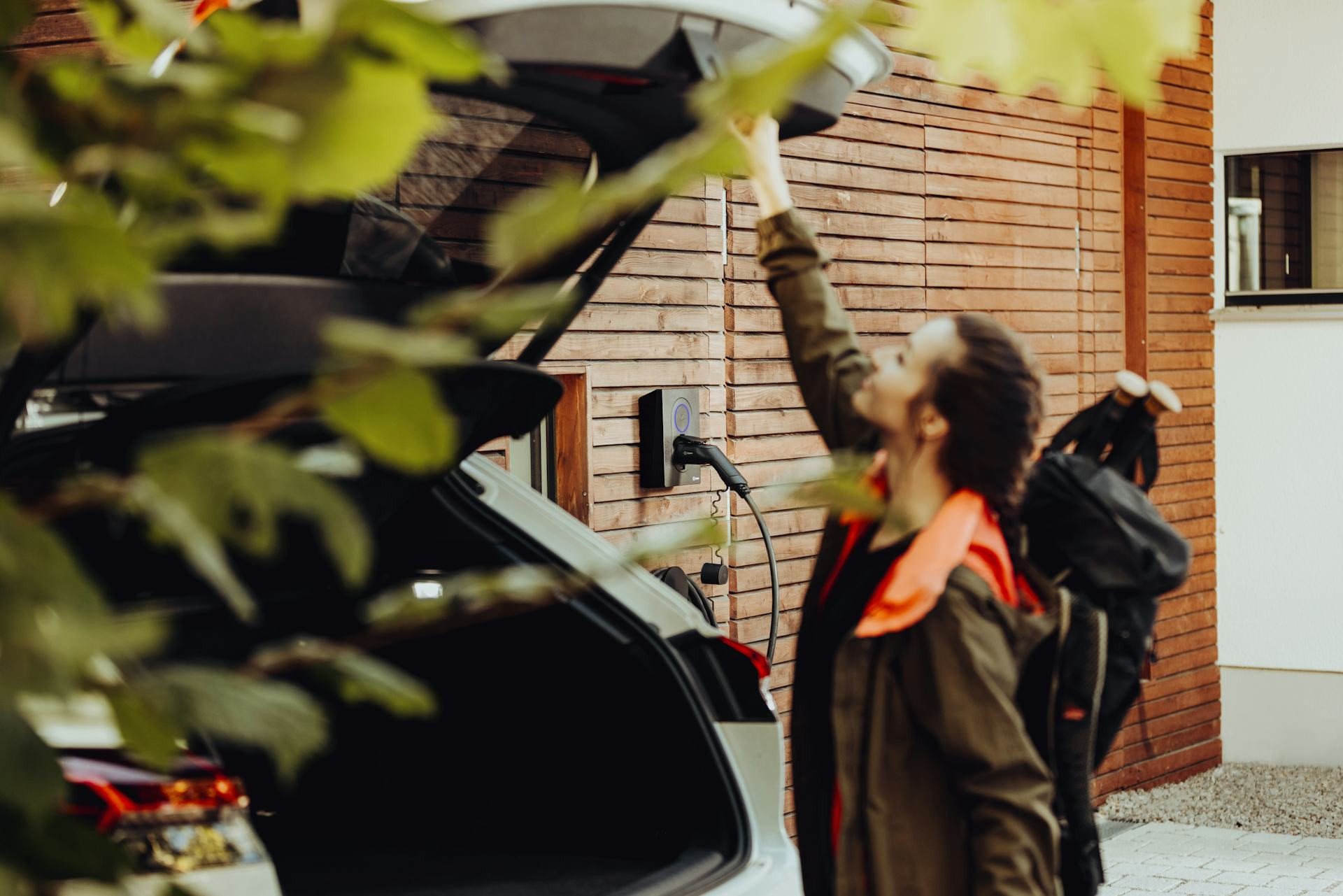
- Charge your EV smartly. If you drive an electric vehicle, charge it overnight or during solar hours to maximise savings and sustainability.
Small changes in timing can quickly add up to noticeable savings.
Cooling and Heating – The Biggest Energy Users
In Australia’s climate, heating and cooling account for a large share of household energy use. Managing them wisely can deliver major savings.
- Set the right temperature. In summer, aim for around 24–26°C; in winter, 18–20°C is usually comfortable. Every degree cooler or warmer can increase energy use by up to 10%.
- Seal and insulate. Gaps around doors and windows let conditioned air escape. Good insulation and draught-proofing can make your home more comfortable and efficient.
- Use ceiling fans. They use far less energy than air conditioners and can make a room feel several degrees cooler.
- Maintain your systems. Clean filters and regular servicing help air conditioners and heaters run efficiently.
A well-insulated, well-managed home stays comfortable with less energy.
Lighting and Electronics – Small Habits, Big Results
Lighting and electronics may seem minor, but mindful habits can still make a real difference.
- Switch to LEDs. They use up to 80% less energy than traditional bulbs and last much longer.
- Turn off lights and devices. It’s simple but effective—switch off when you leave a room.
- Choose energy-efficient appliances. Look for the Energy Rating Label; more stars mean lower running costs.
- Unplug chargers. Even when not in use, they can draw small amounts of power.
It’s not about giving up comfort—it’s about using energy thoughtfully.
Læs også:
Make Energy Awareness a Household Effort
Energy savings are easier when everyone’s involved. Talk about why it matters and make it a shared goal.
- Turn it into a family challenge to see who remembers to switch things off.
- Involve kids—they often enjoy learning about sustainability and can help remind others.
- Celebrate milestones, like a lower power bill or reduced carbon footprint.
When energy awareness becomes part of daily life, it feels less like a chore and more like a positive habit.
A More Sustainable Home Starts with Planning
Planning your home energy use isn’t just about saving money—it’s about taking responsibility for the resources we all share. With small changes in habits, smarter technology, and a conscious approach to everyday living, you can create a home that’s comfortable, cost-effective, and environmentally friendly.
It doesn’t take big sacrifices—just a bit of planning and a willingness to think differently. The result is a home with less waste and more awareness, benefiting both your wallet and the planet.
Læs også: