Modern Art as a Connecting Element in the Open Home


Modern Art as a Connecting Element in the Open Home
As Australian homes increasingly embrace open-plan living, modern art is taking on a new role — not just as decoration, but as a unifying force that brings personality, warmth, and coherence to expansive, light-filled spaces. Where walls once divided rooms and functions, art now acts as the thread that ties them together — visually, emotionally, and aesthetically. In the open home, modern art becomes a connecting element that reflects both individuality and harmony.
Art as a Space Maker
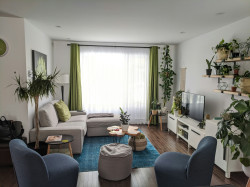
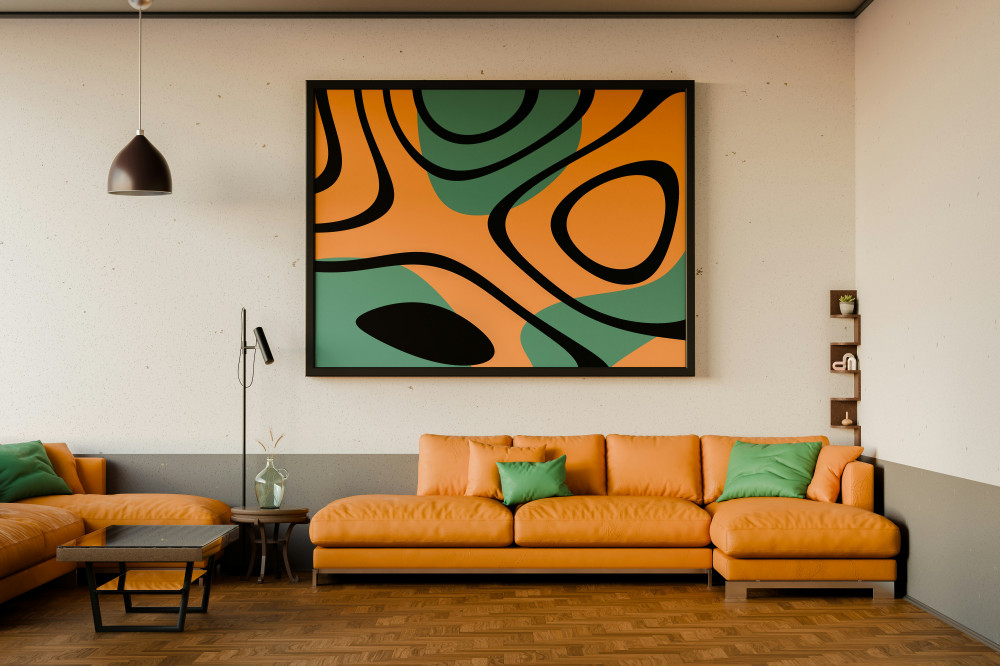
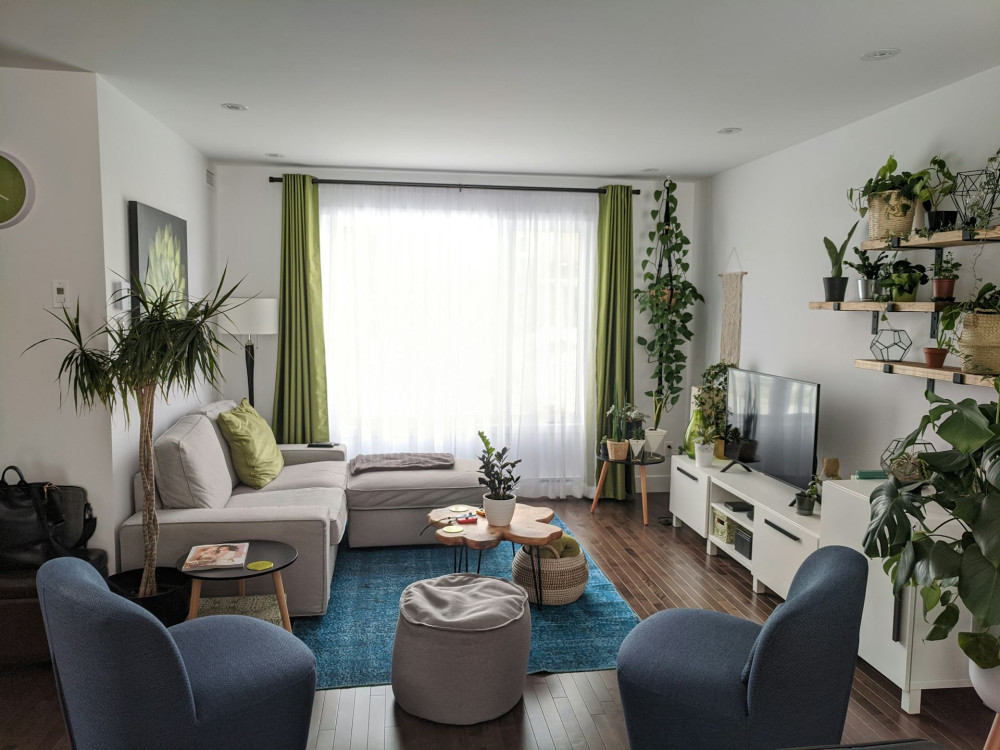
Open-plan layouts can sometimes blur the boundaries between living, dining, and kitchen areas. Art can help define these zones without interrupting the flow. A large canvas can anchor the dining space, while a sculptural piece might serve as a focal point in the lounge.
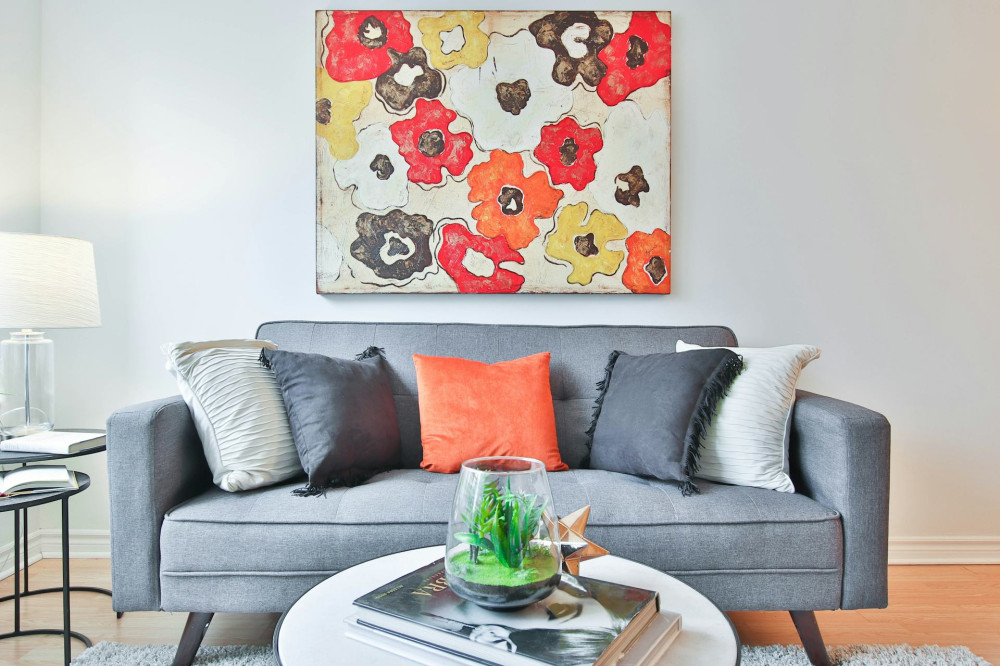
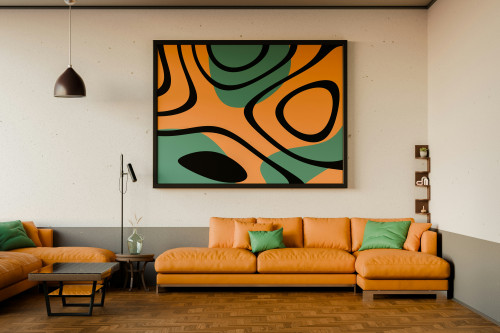
Colour, form, and texture in artworks can subtly support the purpose of each area. A calm, abstract painting in soft tones can bring balance to a busy family kitchen, while a bold, expressive piece can inject energy into a neutral living room. In this way, art becomes a quiet architect — shaping how we experience space.
Personality in Minimalism
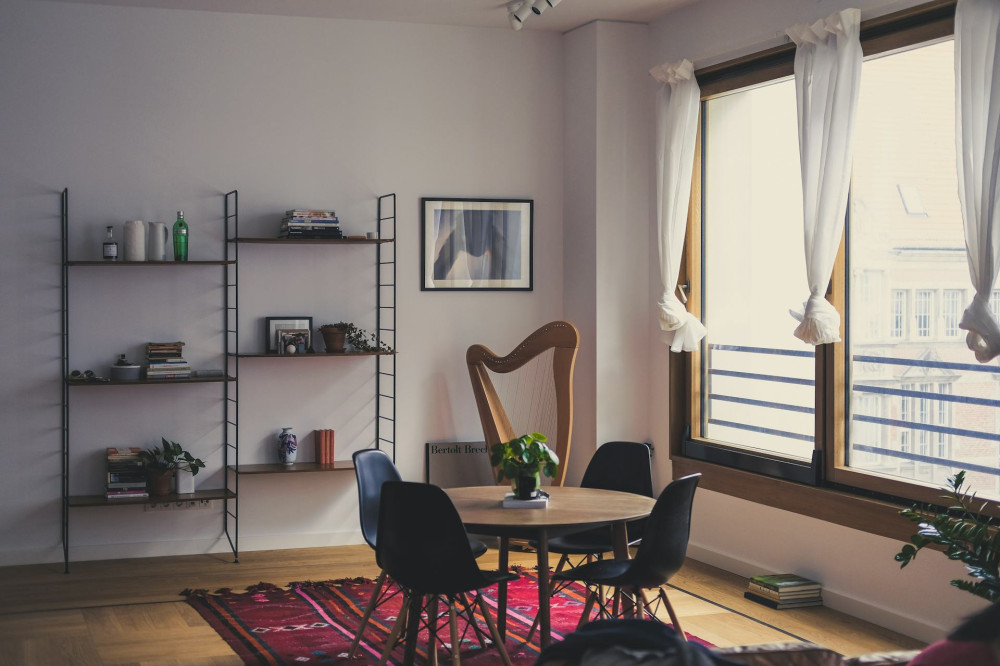
Many contemporary Australian homes are characterised by clean lines, natural light, and a restrained palette of whites, greys, and timber tones. While this creates a sense of calm, it can also risk feeling impersonal. Modern art offers a way to introduce warmth and individuality.
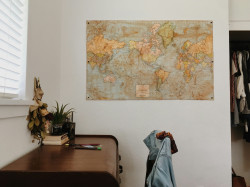
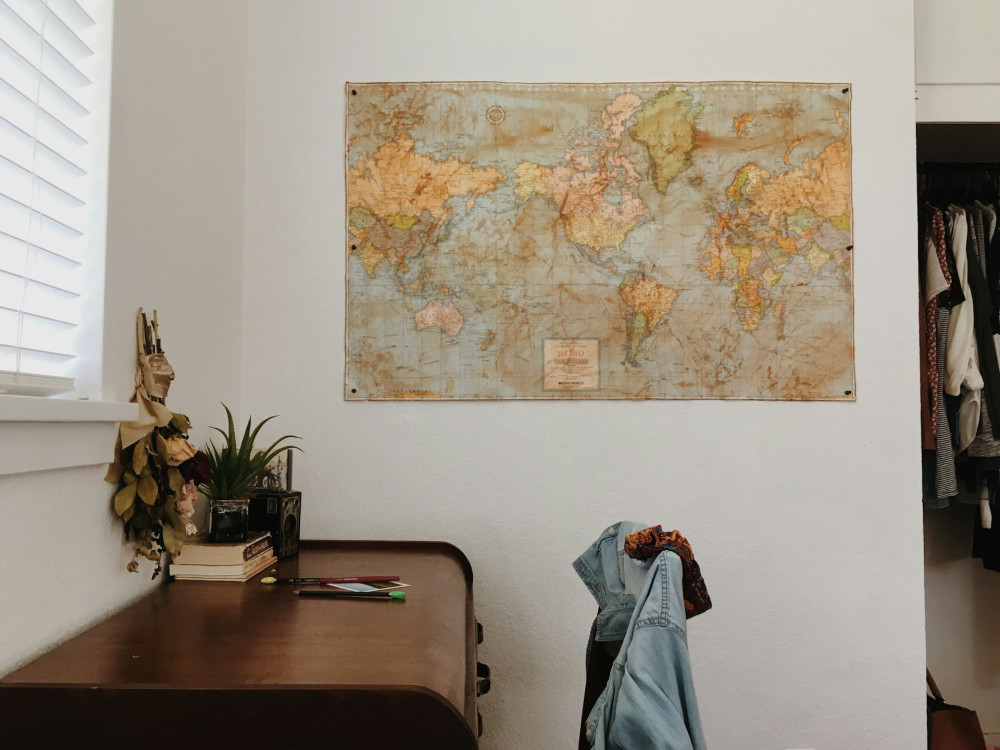
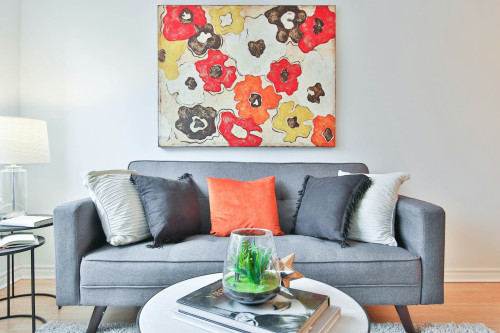
A single statement piece — perhaps a vibrant Indigenous artwork or a striking photographic print — can transform a minimalist interior into something deeply personal. It’s not about filling every wall, but about choosing with intention. One meaningful work can speak louder than many small ones, creating a connection between the inhabitants and their home.
Dialogue Between Art and Architecture
In open homes, architecture and art are in constant conversation. Expansive windows, high ceilings, and abundant natural light — hallmarks of Australian design — influence how artworks are perceived throughout the day. Morning light might soften colours, while the afternoon sun can make them glow.
Considering art early in the design process can make a significant difference. Where does the light fall? Which walls are visible from multiple angles? How do materials like concrete, timber, or glass interact with the artwork’s tones and textures? When art and architecture are planned as a whole, the result is a balanced, cohesive environment where each element enhances the other.
Art as a Conversation Starter
An open home invites connection — and art can be the spark that starts a conversation. A piece that intrigues or challenges can inspire dialogue among guests and family members alike, turning the home into a space of exchange and reflection.
Australians are increasingly mixing established artists with emerging local talent, creating collections that reflect both personal taste and community engagement. Supporting local galleries, Indigenous artists, and regional art fairs not only enriches the home but also strengthens cultural ties. Art, in this sense, becomes a living expression of openness and curiosity.
Læs også:

Choosing Art for the Open Home
When selecting art for an open-plan space, think in terms of flow rather than isolated rooms. Here are a few guiding principles:
- Create a colour journey – let the hues in your artworks form a visual thread through the home.
- Play with scale – large works can define a space, while smaller pieces add rhythm and variation.
- Incorporate texture – textile art, ceramics, and sculpture can soften spaces dominated by hard surfaces.
- Rotate and refresh – changing artworks over time keeps the home dynamic and alive.
Above all, choose art that resonates with you. It should not only fit the space but also reflect your story and values.
A Home with Soul and Connection
Modern art does more than decorate — it connects. It weaves together the open spaces of the contemporary Australian home, adding depth, meaning, and identity. When art and architecture are thoughtfully intertwined, the result is a home that feels both expansive and intimate — a place where light, form, and emotion meet to create a living expression of who you are.
Læs også: