When Is a Facade Too Damaged to Be Cleaned?

When Is a Facade Too Damaged to Be Cleaned?
A clean facade can make a home look fresh and well cared for – but not every facade should be cleaned. If the surface is too damaged, cleaning can actually make things worse. Before you reach for the pressure washer or cleaning chemicals, it’s important to assess the condition of your exterior. In this article, we’ll look at when a facade is too damaged to be cleaned and what you can do instead to protect and restore it.
Why Clean a Facade?
Over time, Australian homes are exposed to dust, salt, mould, and pollution that dull the appearance of exterior walls. Cleaning can restore the original look and help prevent further deterioration, as algae and moisture can penetrate cracks and mortar joints. However, cleaning is a harsh process, and if the facade is already weakened, it can cause more harm than good.
Signs That the Facade Is Too Damaged
Before deciding to clean, inspect the surface carefully. Here are some clear signs that your facade may not withstand cleaning:
- Cracked or flaking render – if the render is crumbling, cleaning will only remove more material.
- Visible cracks in brickwork or concrete – water from cleaning can seep in and worsen the damage, especially in cooler or damp conditions.
- Efflorescence (white salt deposits) – this indicates moisture issues. Cleaning can draw out more salts and increase deterioration.
- Loose or missing mortar – joints should be repaired before any cleaning is attempted.
- Spalled or crumbling bricks – bricks that have lost their surface layer should be replaced, not cleaned.
If you notice several of these issues, it’s a strong indication that the facade needs repair work before any cleaning is considered.
Different Facade Materials Require Different Care
Not all facades react the same way to cleaning.
- Brick can usually handle gentle cleaning, but high-pressure washing or abrasive blasting can damage the surface.
- Rendered surfaces are more delicate, especially if the render is old or cracked.
- Concrete and fibre cement can often be cleaned, but only with the right products and techniques to avoid surface damage.
Always choose a method suited to the material, and when in doubt, get professional advice before starting.
When Should You Avoid Cleaning Altogether?
There are situations where cleaning simply isn’t a good idea, such as when:
- The facade shows extensive moisture damage or mould growth.
- The building is heritage-listed or built with soft, handmade bricks.
- There’s a risk that water could penetrate behind paint, render, or cladding.
In these cases, cleaning can strip away protective layers and leave the structure more vulnerable to weather and moisture. Repair and protection are better options than cosmetic cleaning.
Alternatives to Cleaning
If your facade is too damaged to be cleaned, there are still effective ways to improve its appearance and durability:
- Repointing and brick replacement – renewing mortar joints and replacing damaged bricks can dramatically improve the look and strength of the wall.
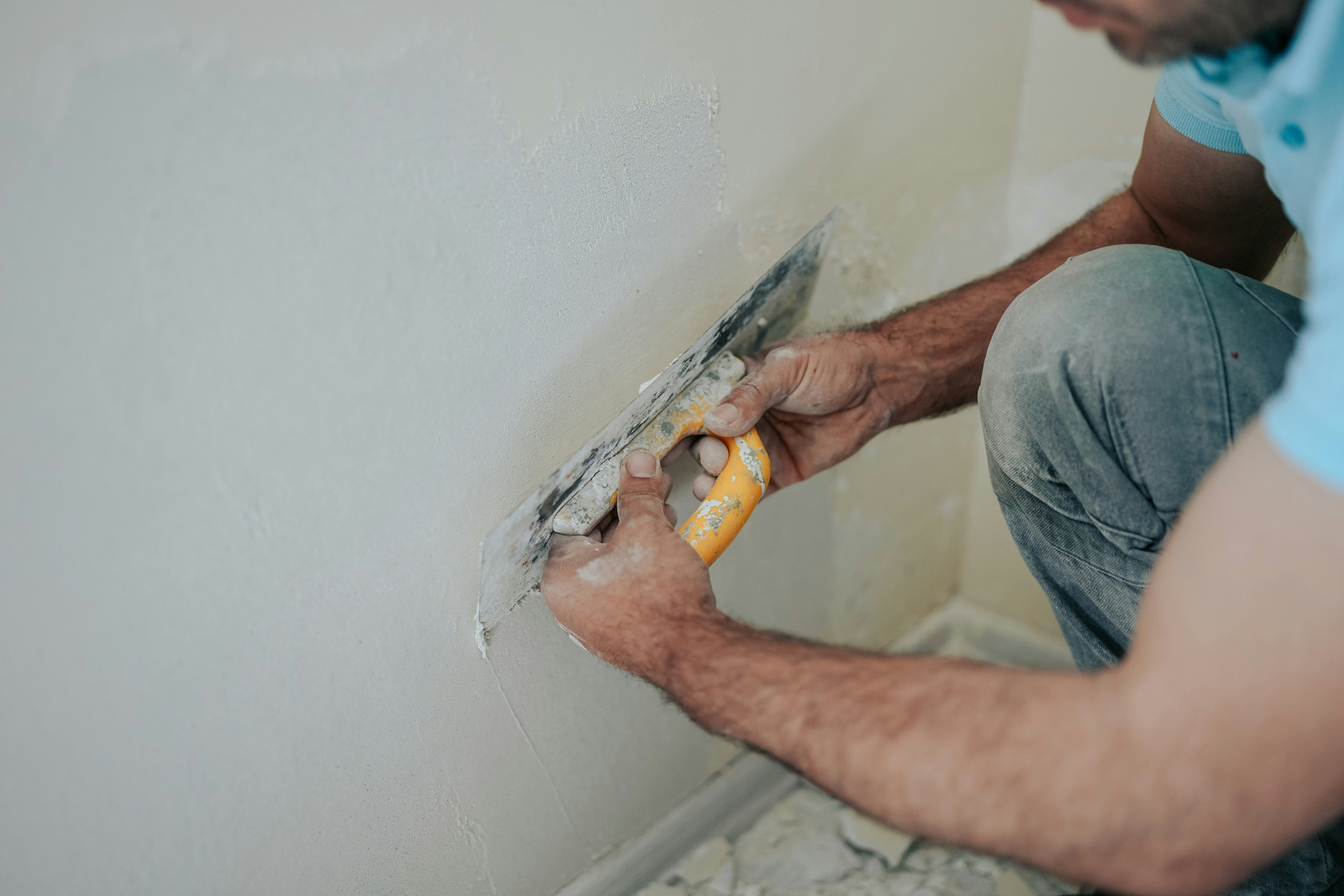
- Re-rendering or bagging – applying a new surface layer can hide imperfections and protect against the elements.
- Painting or applying a protective coating – a fresh coat of breathable paint or silicate treatment can refresh the look and shield the surface from moisture.
These solutions may take more effort than cleaning, but they extend the life of your facade and deliver a more lasting result.
Get a Professional Assessment
It can be difficult to judge whether a facade can be safely cleaned or needs repair first. A qualified builder or facade specialist can identify structural issues and recommend the best approach. This professional assessment can save you time, money, and the risk of causing further damage.
A Healthy Facade Requires Care
A beautiful facade isn’t just about appearance – it’s about protecting your home. Cleaning can be an effective way to rejuvenate your exterior, but only if the surface is sound. If the facade is damaged, focus on repair and protection instead of aggressive cleaning. The result will be a stronger, longer-lasting home that looks great for years to come.