Warm and Cool Colours – How They Affect the Mood in the Bedroom

Warm and Cool Colours – How They Affect the Mood in the Bedroom
Colour is more than just decoration – it shapes how we feel, rest, and experience a space. In the bedroom, where calm and comfort are key, the right colour palette can make a world of difference. Some shades create a cosy, intimate atmosphere, while others bring a sense of freshness and light. Here’s a guide to how warm and cool colours influence the mood – and how you can use them to design a bedroom that feels just right for you.
What Are Warm and Cool Colours?
Colours are often divided into two main groups: warm and cool. Warm colours – such as red, orange, yellow, and earthy browns – are associated with sunlight, fire, and energy. They make a space feel inviting, lively, and comforting. Cool colours – like blue, green, lilac, and grey – remind us of water, sky, and nature. They bring calmness, clarity, and a sense of spaciousness.
In the bedroom, it’s all about finding the balance that suits your personality and the mood you want to wake up and fall asleep in.
Warm Colours: Create Comfort and Intimacy
If you want your bedroom to feel welcoming, cocooning, and a little luxurious, warm colours are a great choice. They make a room feel smaller and more intimate – perfect for those who love a cosy retreat.
- Soft terracotta and muted reds add warmth and passion but should be used sparingly, as strong reds can feel overstimulating.
- Golden and sandy tones bring a natural, relaxed vibe, especially when paired with timber furniture or linen fabrics.
- Burnt orange and mustard hues can add a touch of sunshine and energy without overwhelming the space.
A good tip is to use warm colours on one feature wall or through accessories like cushions, throws, and curtains. This way, you get the warmth without making the room feel heavy.
Cool Colours: Bring Calm and Freshness
Cool colours are ideal if you want your bedroom to feel airy and tranquil. They make a space appear larger and more open – perfect for creating a peaceful retreat after a long day.
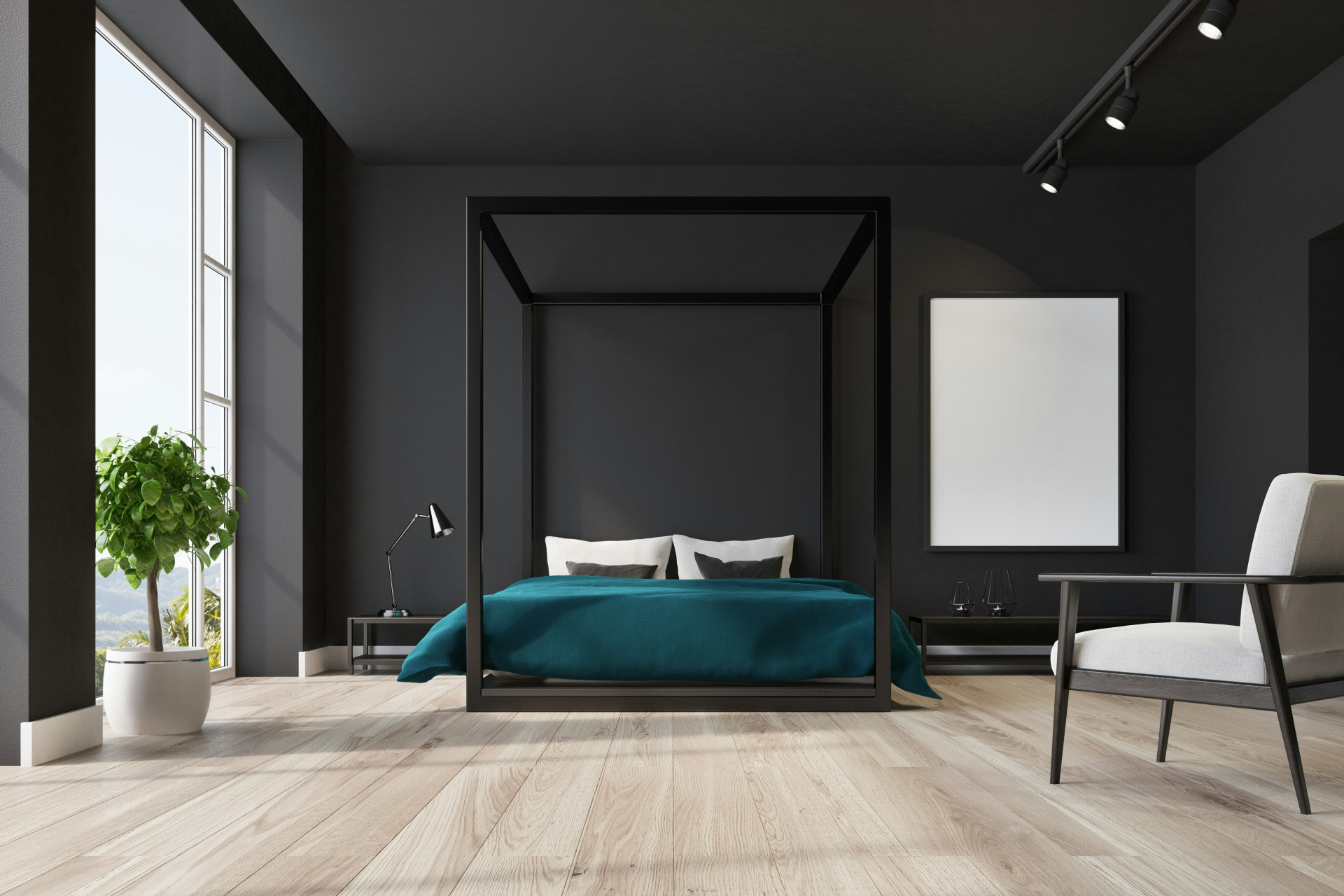
- Blue tones are a classic choice for bedrooms. They’re linked to rest, stability, and serenity. A dusty blue or grey-blue wall can feel almost therapeutic.
- Green shades connect the indoors with nature and promote balance. Olive and sage greens are especially popular in Australian homes because they feel both soothing and organic.
- Lavender and soft lilac add a touch of elegance and calm, but it’s best to keep them light and subtle to avoid a cold impression.
Cool colours work beautifully in rooms that get plenty of sunlight – common in many Australian homes – as they help balance the brightness and heat.
The Perfect Mix: Finding Harmony
Most bedrooms feel best when warm and cool tones are combined. A neutral base – such as beige, cream, or soft grey – can tie the palette together and create harmony.
Try these combinations:
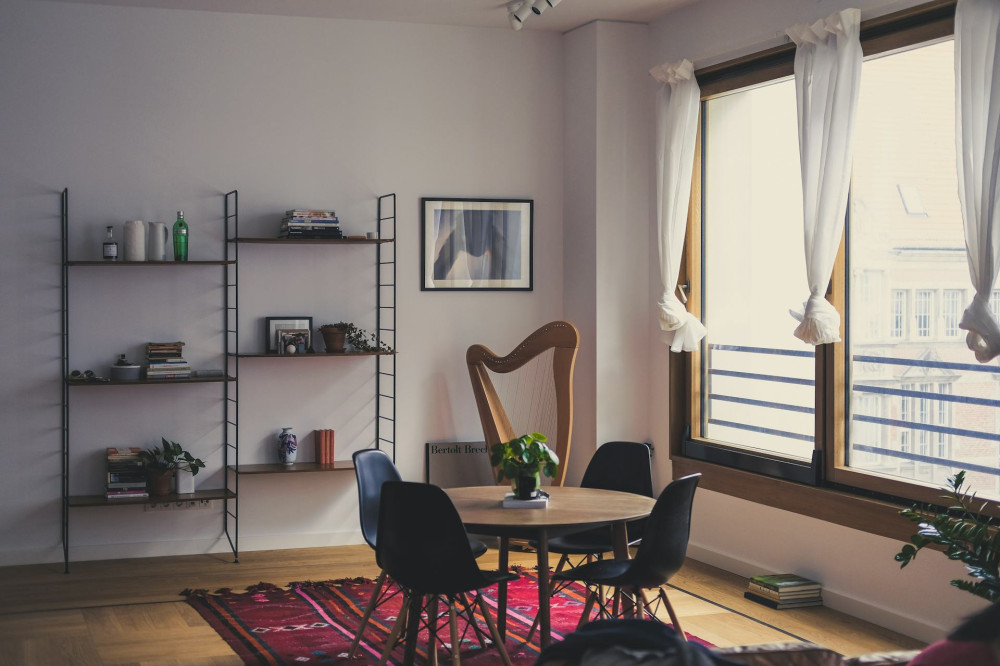
- A pale blue wall with warm timber furniture and brass lighting.
- A sand-coloured room with green plants and linen in cool tones.
- White walls paired with rust and navy cushions for a modern, balanced look.
It’s not about choosing one side or the other – it’s about creating a mood that feels natural to you.
Light and Materials Make the Difference
Colours change character depending on light and surface. A dim room with little daylight can make cool colours feel dull, while warm tones can bring it to life. Conversely, a sun-drenched bedroom – especially one facing north or west in Australia – may benefit from cooler shades that soften the brightness.
Materials also play a role: matte finishes create a softer look, while glossy surfaces reflect light and intensify colour. Natural textures like timber, rattan, and cotton can help adjust the mood without repainting the walls.
Create Your Personal Colour Story
There are no strict rules for bedroom colours – what matters most is how you feel in the space. Some people sleep best surrounded by cool blues, while others prefer the comfort of warm, earthy tones.
Start by thinking about how you want your bedroom to feel: calm, cosy, fresh, or elegant. Then use colour as your tool to shape that atmosphere. With a few thoughtful choices – a new quilt cover, a painted wall, or a set of cushions – you can completely transform the mood of your bedroom.