The ideal saucepan for sauces and small dishes

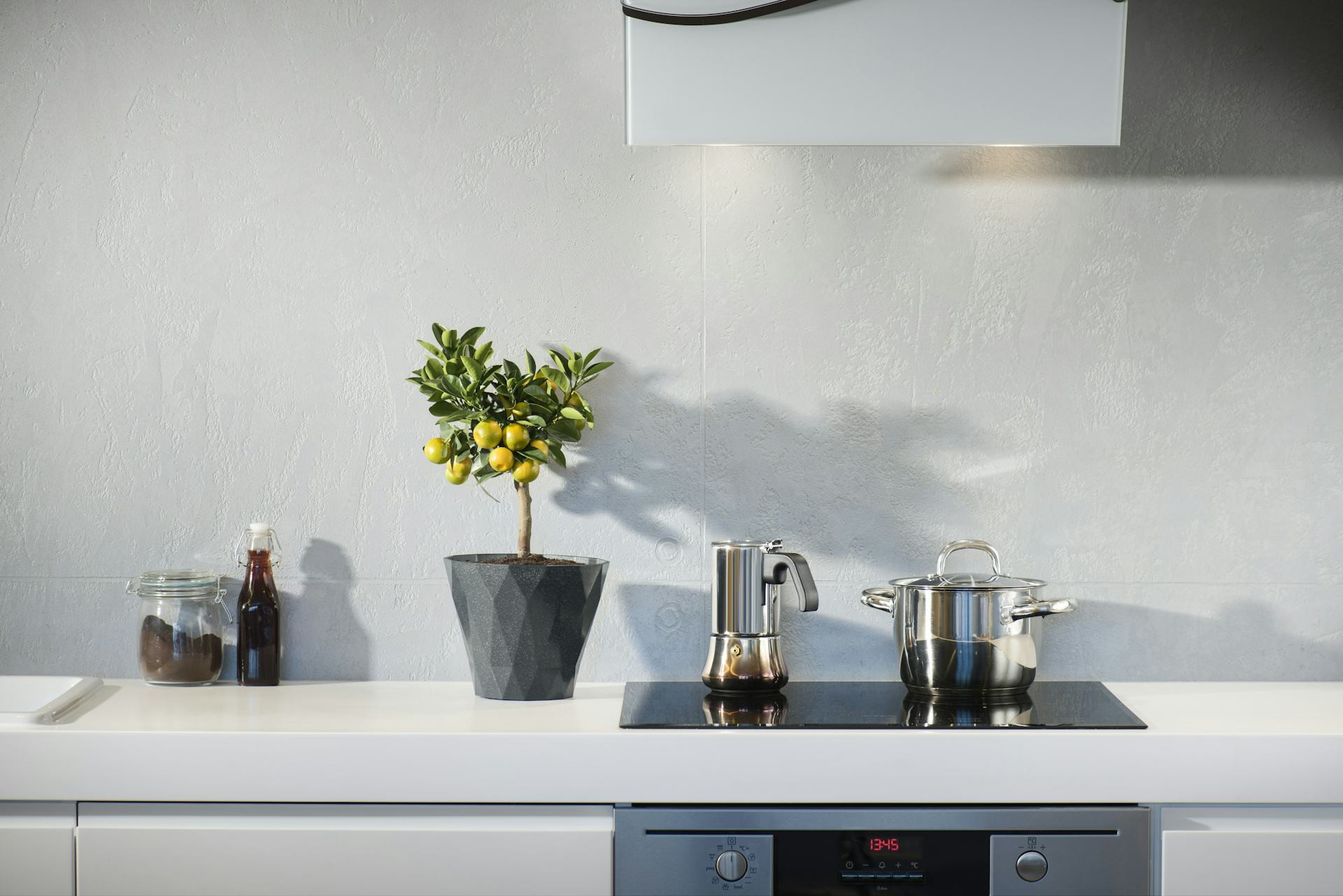
The ideal saucepan for sauces and small dishes
A good saucepan is one of the most versatile tools in any kitchen. It’s perfect for everything from boiling eggs and reheating soup to preparing delicate sauces and small dishes where precision and even heat distribution are key. But what makes a saucepan truly ideal – and how do you choose the right one for your needs? Here’s a guide to help you find a saucepan that will serve you well for years to come.
Size and shape – match it to your cooking style
Saucepans come in a range of sizes, typically from 1 to 3 litres. The ideal size depends on what you cook most often.
- 1–1.5 litres: Great for melting butter, heating milk, or making small batches of custard or porridge.
- 2 litres: A good all-round size for everyday use – perfect for cooking rice, vegetables, or a small portion of soup.
- 3 litres and above: Best for larger portions, such as pasta sauce or mashed potatoes for the whole family.
Shape matters too. A tall saucepan reduces evaporation and is ideal for simmering, while a wider, lower one allows faster reduction – perfect for sauces that need to thicken and concentrate.
Material – the key to even heat
The material determines how well a saucepan conducts and distributes heat. Here are the most common options:
- Stainless steel: Durable, easy to clean, and often combined with an aluminium or copper base for better heat distribution. A reliable choice for most home cooks.
- Copper: Offers superb heat control and responsiveness – ideal for sauces that require precise temperature adjustments. It does, however, need regular polishing and comes at a higher price.
- Aluminium: Lightweight and quick to heat, but can react with acidic ingredients unless it’s anodised or coated with a nonstick surface.
- Cast iron: Retains heat beautifully and is great for slow cooking, but it’s heavy and slower to respond to temperature changes.
For sauces and small dishes where control is essential, a multi-layer (or “clad”) stainless steel saucepan is often the best balance between performance, durability, and cost.
Handles and lids – small details that matter
A sturdy handle that stays cool and provides a comfortable grip makes cooking safer and easier. Stainless steel handles are strong but can get hot, while silicone or plastic-coated ones offer better comfort and insulation.
A tight-fitting lid helps retain moisture and heat – important when you don’t want your sauce to reduce too quickly. Glass lids are handy because you can keep an eye on your cooking without lifting the lid and losing steam.
Nonstick or not?
A nonstick coating can be very convenient, especially for milk-based sauces or dishes that tend to stick. It makes cleaning easier and requires less oil or butter. However, nonstick surfaces don’t handle high heat well and can wear out over time.
If you often make sauces that need whisking or reducing at high temperatures, a stainless steel or copper saucepan without a coating might be a better choice.
Compatibility with cooktops
Always check that your saucepan suits your cooktop. Not all materials work on induction unless they have a magnetic base. Most modern saucepans, however, are designed to be compatible with all types – gas, electric, ceramic, and induction.
A flat base ensures better contact with the cooktop, improving heat transfer and cooking efficiency – especially important for induction and ceramic surfaces.
Care and longevity
A quality saucepan can last for decades with proper care. Avoid using metal utensils on nonstick surfaces, and let the pan cool before washing it in cold water to prevent warping.
Copper and cast iron require a bit more maintenance, but they reward you with character and performance that improve over time.
The ideal saucepan – a kitchen essential
The ideal saucepan is the one that fits your cooking habits. For most Australian home cooks, a 2-litre stainless steel saucepan with a multi-layer base and a tight-fitting lid is a versatile choice that handles sauces, vegetables, and small dishes with ease.
Once you find the right one, you’ll discover it quickly becomes one of your most-used kitchen tools – a small but indispensable companion in everyday cooking.