Sustainable Home Heating in Practice: Principles and Solutions for Your Home

Sustainable Home Heating in Practice: Principles and Solutions for Your Home
Keeping your home warm and comfortable can be one of the biggest contributors to both your energy bills and your household carbon footprint. Choosing the right heating solution is therefore essential if you want to make your home more sustainable. But what does sustainable home heating actually mean in practice – and which solutions make the most sense for Australian homes? Here’s an overview of the key principles behind green heating and some practical advice to help you get started.
What Does Sustainable Heating Mean?
Sustainable heating is about reducing energy use and greenhouse gas emissions without sacrificing comfort. This can be achieved in several ways:
- Efficiency – using less energy to achieve the same level of warmth, for example through better insulation and smart temperature control.
- Renewable energy – replacing fossil fuels like gas or oil with clean sources such as solar, wind, or sustainably sourced biomass.
- Local generation – producing energy where it’s used, such as with heat pumps or solar thermal systems.
The goal is to create a heating system that’s both environmentally and economically sustainable – and adaptable to future energy standards.
Understand Your Heating Needs
Before choosing a new system, it’s important to understand your current situation. How much energy do you use, and where is heat being lost?
An energy audit or thermal imaging inspection can reveal whether your home is losing heat through the roof, walls, or windows. Improving insulation, sealing gaps, and upgrading old windows can significantly reduce energy waste – and make any renewable heating system more effective.
As a rule of thumb, reduce your heating demand before changing your heating source. This lowers both your upfront investment and your ongoing costs.
The Most Sustainable Heating Solutions for Australian Homes
There’s no one-size-fits-all solution. The best option depends on your home’s size, location, and existing infrastructure. Here are some of the most common and effective green alternatives in Australia:
Heat Pumps – Efficient Energy from Air or Ground
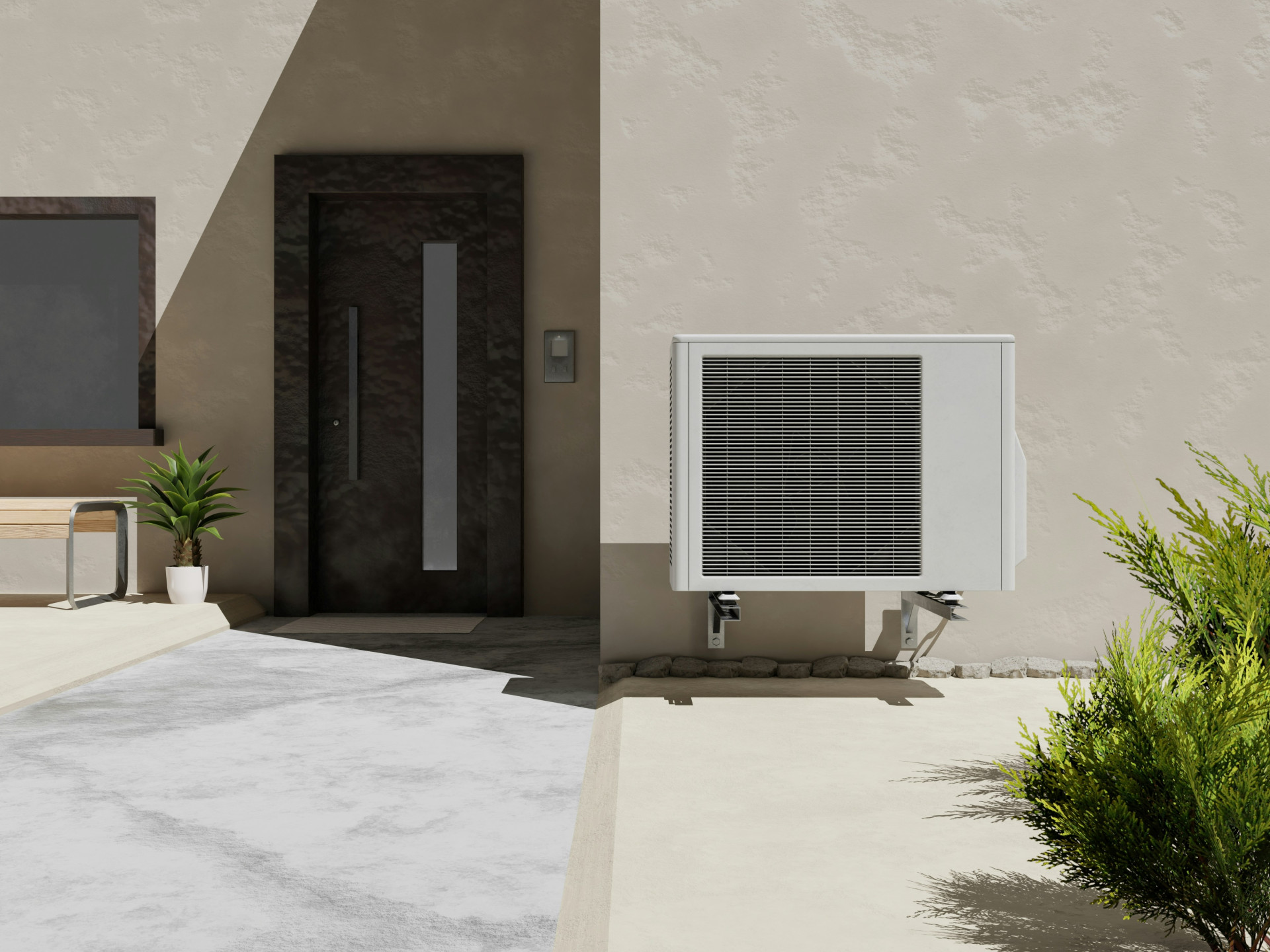
Heat pumps extract heat from the air, ground, or water and can deliver three to five times more heat energy than the electricity they consume. Common types include:
- Air-to-water heat pumps – ideal for homes with hydronic heating systems or underfloor heating.
- Ground-source (geothermal) heat pumps – more efficient but require space for ground loops.
- Air-to-air heat pumps (reverse-cycle air conditioners) – a popular and cost-effective option for many Australian homes, providing both heating and cooling.
Heat pumps are particularly sustainable when powered by renewable electricity, such as from rooftop solar panels.
Solar Thermal Systems – Harnessing the Sun’s Heat
Australia’s abundant sunshine makes solar thermal systems a natural choice. These systems use solar collectors to heat water, which can supply domestic hot water or supplement space heating. They work best as part of a hybrid system, combined with a heat pump or efficient electric backup.
Biomass Heating – Renewable Fuel with Care
Pellet heaters or modern wood-burning systems can be a renewable option in rural areas without access to gas or reliable electricity. However, biomass is only sustainable if the fuel comes from responsibly managed sources and the system burns efficiently with minimal emissions. Old wood heaters should be replaced with certified low-emission models to protect both the environment and indoor air quality.
Electric Heating with Renewable Power
As Australia’s electricity grid becomes greener, efficient electric heating is increasingly sustainable. Reverse-cycle air conditioners, electric hydronic systems, and infrared panels can all be powered by solar PV or green electricity plans, reducing reliance on fossil fuels.
Smart Control and Everyday Habits
Even the most advanced heating system can waste energy if used inefficiently. Smart management and mindful habits can make a big difference:
- Lower the thermostat by one degree – it can cut heating energy use by around 5%.
- Use programmable thermostats or smart home systems to match heating to your schedule.
- Ventilate briefly and effectively rather than leaving windows ajar.
- Maintain your system – clean filters, check settings, and schedule regular servicing.
Small behavioural changes, combined with efficient technology, can lead to significant savings.
Costs, Incentives, and Support
While sustainable heating systems often require an upfront investment, they can pay for themselves through lower running costs. In Australia, various rebates and incentives are available through federal and state programs, such as the Small-scale Renewable Energy Scheme (SRES) and local energy efficiency grants. It’s worth getting multiple quotes and professional advice from accredited installers before making a decision.
A Warmer Home with a Cooler Footprint
Sustainable home heating isn’t just about technology – it’s about a holistic approach. By combining energy efficiency, renewable energy, and responsible habits, you can create a home that’s comfortable, cost-effective, and climate-friendly.
Whether you live in a city apartment, a suburban house, or a rural property, there are solutions that can bring you closer to the goal: a warm home with a cooler environmental impact.