Sustainable furniture for your hobby room – how to choose recycled materials


Sustainable furniture for your hobby room – how to choose recycled materials
A hobby room is a space for creativity, focus, and hands-on projects – but it can also be a place where you make a positive impact on the environment. By choosing furniture and materials made with sustainability in mind, you can create a functional and inspiring space that respects the planet’s resources. Here’s a guide to help you choose sustainable and recycled materials for your hobby room.
Why sustainable furniture makes sense
Sustainability isn’t just about buying new products with a green label – it’s equally about making the most of what already exists. The furniture industry contributes significantly to global carbon emissions, and by choosing second-hand, upcycled, or certified materials, you can reduce your environmental footprint.
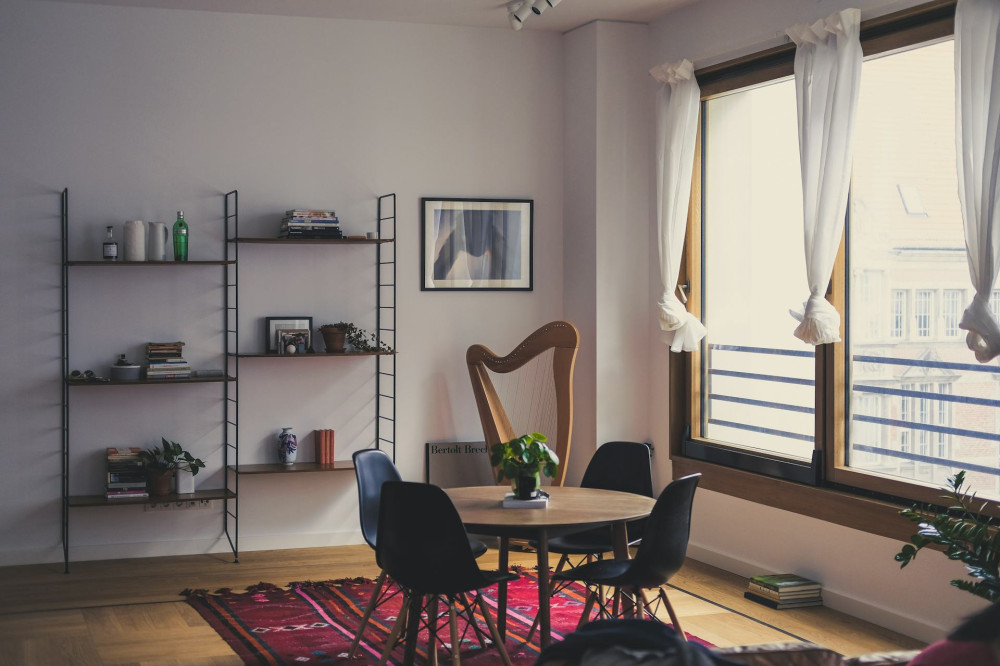
A sustainable hobby room also tends to be more personal. When you combine old furniture with new functions, you create a space that reflects your style and creativity – and tells a story at the same time.
Reuse first – buy new as a last resort
The most sustainable piece of furniture is the one that already exists. Start by looking for used tables, chairs, and shelves before buying new. You can find plenty of solid pieces at local op shops, garage sales, or online marketplaces like Gumtree and Facebook Marketplace.
- Work with what you have: An old dining table can become a sturdy workbench with a bit of sanding and paint.
- Refresh with eco-friendly finishes: Use low-VOC paints or natural oils to avoid harmful fumes.
- Mix and match: Give an old chest of drawers new legs, or add a recycled timber top to a cabinet.
By thinking creatively, you can design unique solutions that save both money and resources.
Choose materials with a low environmental impact
When you do need to buy new, look for materials produced responsibly. Some of the best options include:
- FSC- or PEFC-certified timber: Ensures the wood comes from responsibly managed forests.
- Recycled metal: Great for table legs, shelving brackets, or storage units.
- Bamboo: Fast-growing, durable, and an excellent alternative to hardwoods.
- Recycled plastic: Available in many colours and forms, perfect for chairs, storage boxes, or decorative details.
Avoid furniture made from mixed materials that are difficult to separate and recycle later on.
Think flexible and durable
A sustainable hobby room should adapt to your needs over time. Choose furniture that can serve multiple purposes and is easy to repair.
- Modular design: Shelving and tables that can be expanded or rearranged extend their lifespan.
- Quality over quantity: A solid timber workbench can last for decades.
- Easy to disassemble: Furniture that can be taken apart is simpler to repair, move, or recycle.
The longer your furniture lasts, the smaller its environmental impact.
Design for comfort and wellbeing
Sustainability also means creating a healthy indoor environment. Choose paints, finishes, and fabrics free from harmful chemicals, and make sure your space is well-ventilated. Indoor plants can help purify the air and add a calming touch that supports creativity.
Lighting matters too – LED bulbs use far less energy than traditional ones and last much longer. Combine natural daylight with adjustable lamps to create comfortable lighting for different projects.
Make sustainability part of your hobby
If you love working with your hands, sustainability can become a natural part of your creative process. Try building your own furniture from reclaimed timber, sewing storage bags from old fabrics, or making wall organisers from leftover materials. It’s rewarding, cost-effective, and helps reduce waste.
A hobby room designed with care shows that creativity and responsibility can go hand in hand – and that sustainability doesn’t have to be dull. In fact, it can be the spark that inspires your next great idea.