See the Potential: How to Assess Your Property’s Future Opportunities

See the Potential: How to Assess Your Property’s Future Opportunities
When you look at your home, you might first notice what’s there right now – the rooms, the garden, the street appeal. But behind what’s visible often lies untapped potential. Perhaps the house could be extended, made more energy-efficient, or redesigned to suit a changing lifestyle. Assessing your property’s future opportunities is about seeing beyond the present and thinking strategically about growth. Here’s how to get started.
Understand Your Property’s Starting Point
Before you can plan improvements, you need a clear picture of your property’s current condition and the rules that apply to it.
- Building condition: Consider getting a building inspection to identify structural issues, maintenance needs, and areas with renovation potential.
- Planning and zoning: Check your local council’s planning scheme. Zoning, heritage overlays, and setback requirements can all affect what you’re allowed to build or modify.
- Energy performance: Review your home’s energy efficiency. Poor insulation, old windows, or outdated heating systems can be opportunities for upgrades that save money and add value.
Once you understand the baseline, it becomes easier to see where the opportunities lie.
Think About Function and Life Stages
A home should evolve with your lifestyle. Maybe you’re raising young children now, but in ten years your needs will be different. Consider how your property can adapt over time.
- Could a spare room become a home office or guest suite later on?
- Is there potential to create a self-contained studio for a teenager or for rental income?
- Can you design the layout so you can live on one level in the future if stairs become a challenge?
Building flexibility into your home makes it more liveable now and more appealing to future buyers.
Make Better Use of Space
Unlocking potential doesn’t always mean adding more square metres – it’s often about using what you have more effectively.
- Underused areas: Could a garage, attic, or under-house space be converted into a functional room?
- Layout improvements: Removing a wall or reconfiguring doorways can open up light and flow.
- Outdoor living: In Australia’s climate, outdoor areas are valuable. Adding a deck, pergola, or shaded patio can extend your living space and boost lifestyle appeal.
Small design changes can make a big difference in how your home feels and functions.
Energy Upgrades as Smart Investments
Energy-efficient improvements are good for both the environment and your wallet. They can also increase your property’s market value.
- Replacing old windows and doors can reduce heat loss and improve comfort.
- Upgrading insulation in the roof and walls helps maintain a stable indoor temperature.
- Installing solar panels or a heat pump can lower energy bills and make your home more self-sufficient.
Check for government rebates or local council incentives that can help offset the cost of sustainable upgrades.
Consider Location and Future Growth
Your property’s potential isn’t just about the building – it’s also about what’s happening around it. Understanding local development trends can help you make smarter decisions.
- Are there new transport links, schools, or shopping precincts planned nearby?
- How are property values trending in your suburb?
- Are there demographic shifts, such as more families or downsizers moving in, that could influence demand?
Keeping an eye on your area’s growth plans can help you decide whether to invest in major improvements or hold off.
Seek Professional Advice
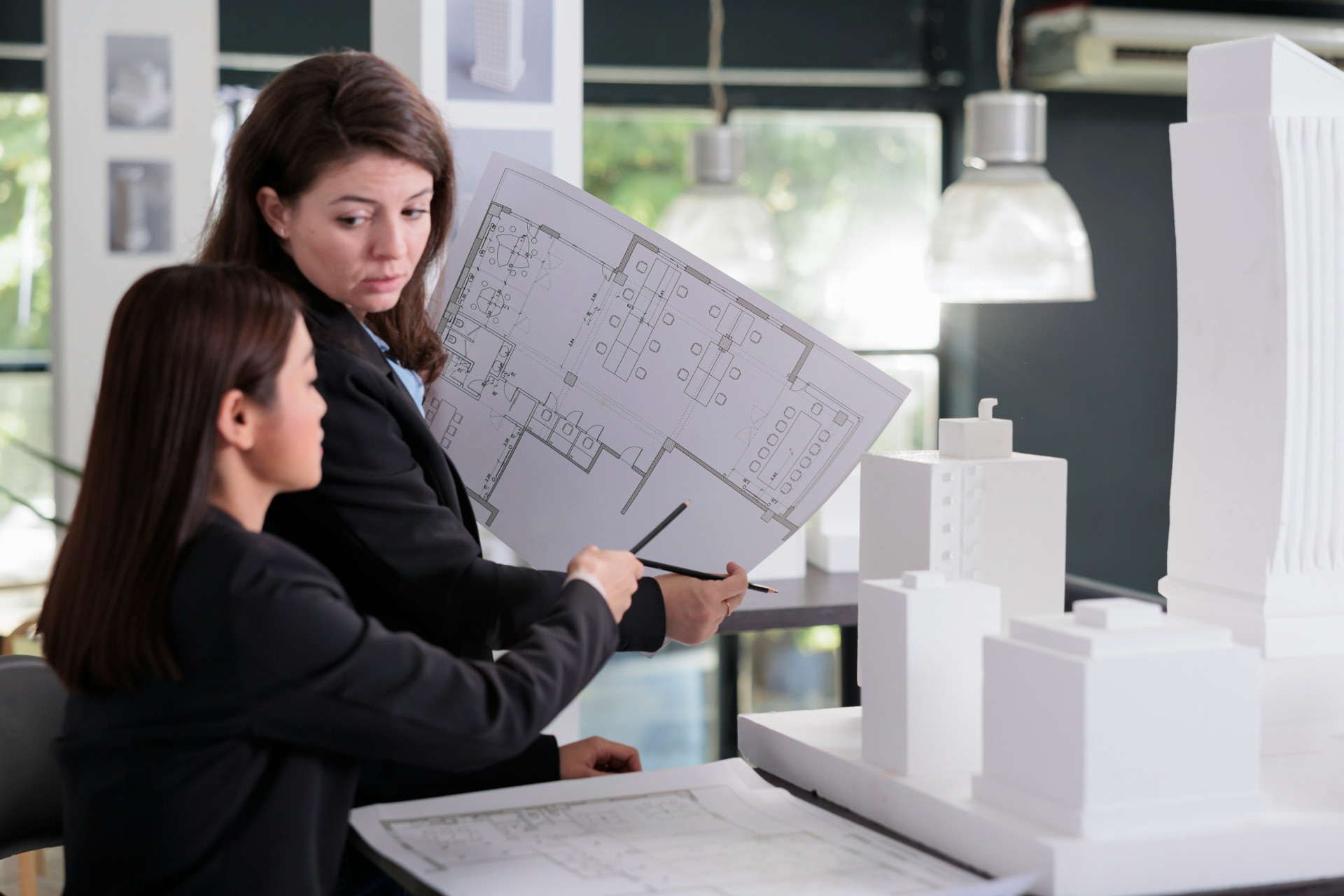
While research and imagination go a long way, professional input can save you time and money. Architects, builders, and real estate agents can help you understand what’s feasible and worthwhile.
An architect can suggest creative design solutions, while a local agent can estimate how proposed changes might affect resale value. A builder or town planner can clarify what’s possible under local regulations. Together, they can help you make informed, cost-effective decisions.
Plan in Stages and Think Long-Term
Realising your property’s potential doesn’t have to happen all at once. Create a staged plan that prioritises the projects offering the greatest value first. Think long-term so each improvement fits into an overall vision.
By developing your home step by step, you can enhance both its liveability and its investment value – without losing sight of your budget or your goals.