Pots and Containers: How to Care for Your Flowers Best

Pots and Containers: How to Care for Your Flowers Best
Flowers in pots and containers can transform any balcony, patio, or small garden into a colourful retreat. They bring life and personality to even the smallest spaces and can be changed with the seasons so there’s always something in bloom. But for your plants to thrive, you need to think carefully about the right pots, soil, and care. Here’s a guide to help Australian gardeners get the best out of their potted flowers.
Choosing the Right Pot
A pot is more than just a vessel – it’s part of the plant’s growing environment. The material, size, and drainage all make a difference.
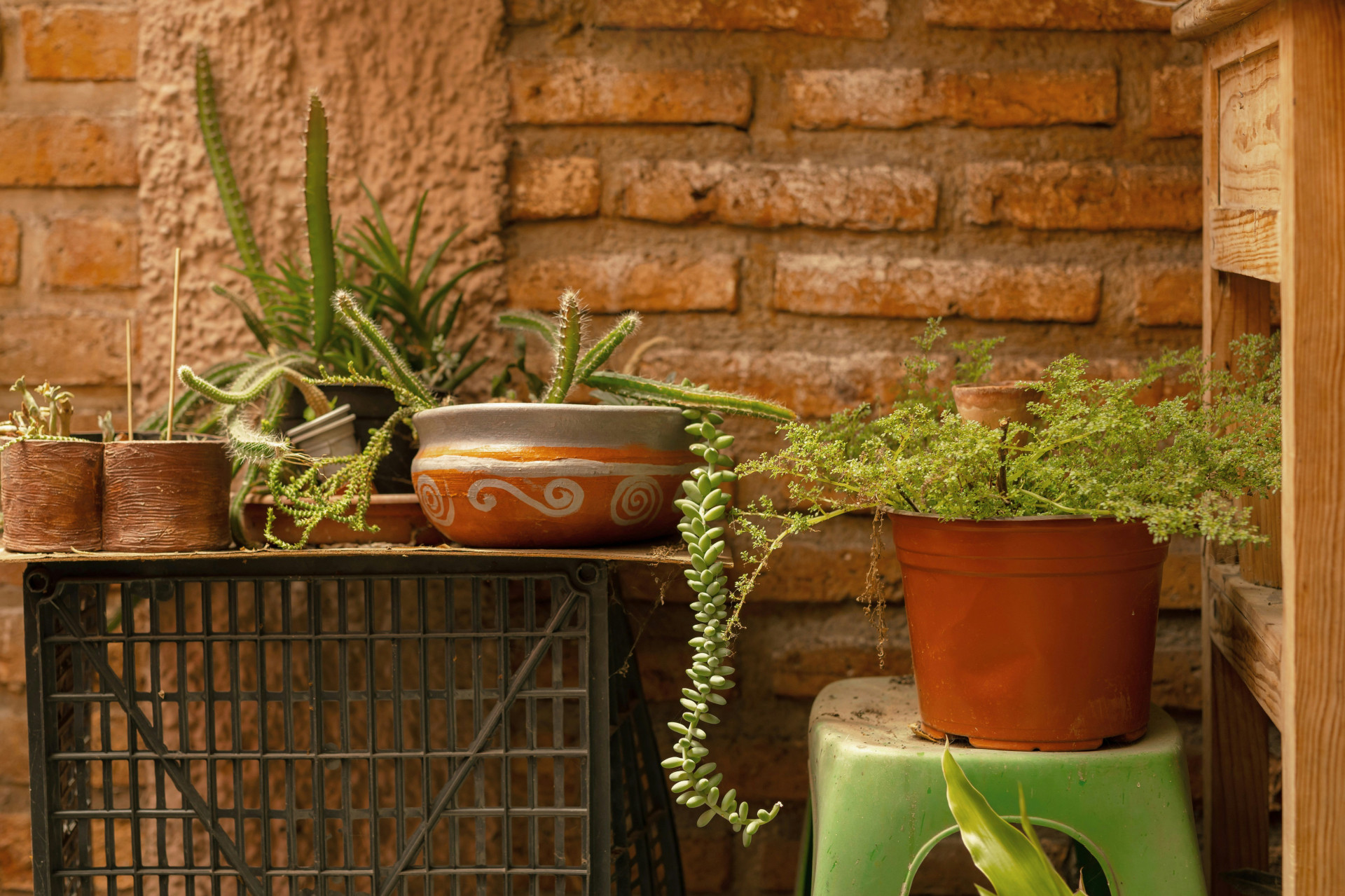
- Terracotta and clay pots are classic and attractive, but they dry out quickly because they’re porous. They suit drought-tolerant plants like lavender, rosemary, and succulents.
- Plastic and lightweight composite pots retain moisture better and are easier to move around. They’re ideal for annuals and tropical flowers that prefer consistent moisture.
- Metal or zinc containers look modern but can heat up fast in the Australian sun. Make sure they have drainage holes and place them in partial shade during the hottest part of the day.
Whatever material you choose, ensure your pot has a drainage hole so excess water can escape. Add a layer of gravel or clay pebbles at the bottom to improve drainage.
The Right Soil – The Foundation of Healthy Plants
Potting mix is the lifeblood of container plants. It needs to hold moisture but also drain well. Always use a premium-quality potting mix that meets Australian Standards (look for the red ticks on the bag).
- Acidic mix for azaleas, camellias, and gardenias.
- Cactus and succulent mix for dry-loving plants.
- Herb or vegetable mix enriched with compost for edible plants.
Mix in some slow-release fertiliser or compost when planting to provide steady nutrients over time.
Watering – Finding the Right Balance
Watering is often the biggest challenge for container gardeners, especially in Australia’s hot, dry climate. Too little water and your plants wilt; too much and the roots can rot.
- Check the soil with your finger: if it’s dry a few centimetres down, it’s time to water.
- Water deeply so the entire root ball is moistened – it’s better to water thoroughly and less often than to sprinkle lightly every day.
- Avoid letting pots sit in water. Empty saucers after rain or heavy watering.
In very hot weather, consider self-watering pots or watering spikes to help maintain even moisture levels.
Feeding – Energy for Growth and Blooms
Because pots hold limited soil, nutrients are used up quickly. Regular feeding keeps your flowers blooming.
- Use a liquid fertiliser every one to two weeks during the growing season.
- Alternatively, apply slow-release fertiliser pellets that feed over several months.
Be careful not to over-fertilise – too much can lead to lush leaves but fewer flowers. Always follow the instructions on the label.
Light and Placement
Most flowering plants love sunlight, but not all can handle the same intensity. Australia’s sun can be harsh, so placement matters.
- Full sun suits geraniums, petunias, and marigolds.
- Part shade is better for impatiens, begonias, and fuchsias.
- Shady spots can be brightened with ferns, hostas, or coleus.
Move your pots around as needed – flexibility is one of the joys of container gardening.
Seasonal Care and Maintenance
As the seasons change, so should your pots. When summer annuals fade, replace them with plants suited to cooler months. Refresh the soil, remove old roots, and try pansies, violas, or ornamental kale for winter colour.
In cooler regions, protect terracotta pots from frost by moving them under cover or wrapping them in hessian. In tropical and subtropical areas, focus on good drainage during the wet season to prevent root rot.
Creating Harmony and Variety
When arranging pots, think about height, colour, and texture. A simple design rule is to combine:
- A feature plant (like a geranium or daisy)
- A filler plant (such as lobelia or verbena)
- A trailing plant (like petunia or ivy)
This creates a full, balanced look that lasts through the season.
Pots Offer Freedom and Creativity
Growing flowers in pots isn’t just practical – it’s creative. You can experiment with colours, shapes, and materials, move them around to suit your mood, and create small pockets of beauty wherever you like. With the right care, your pots can bloom from early spring through late autumn, bringing joy and colour to your home all year round.