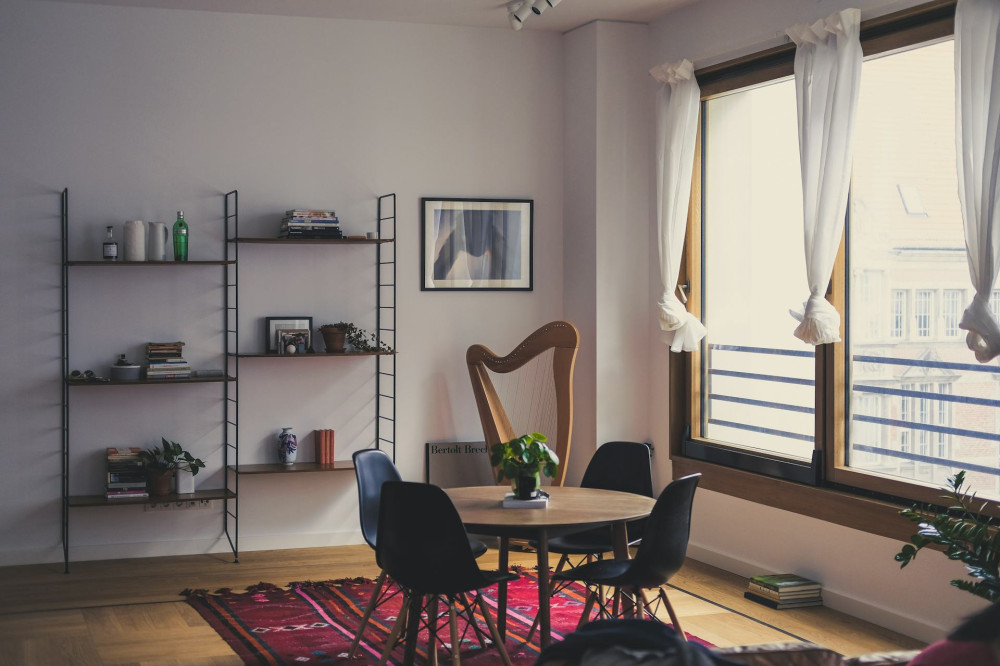
Position your workspace correctly in relation to windows and light

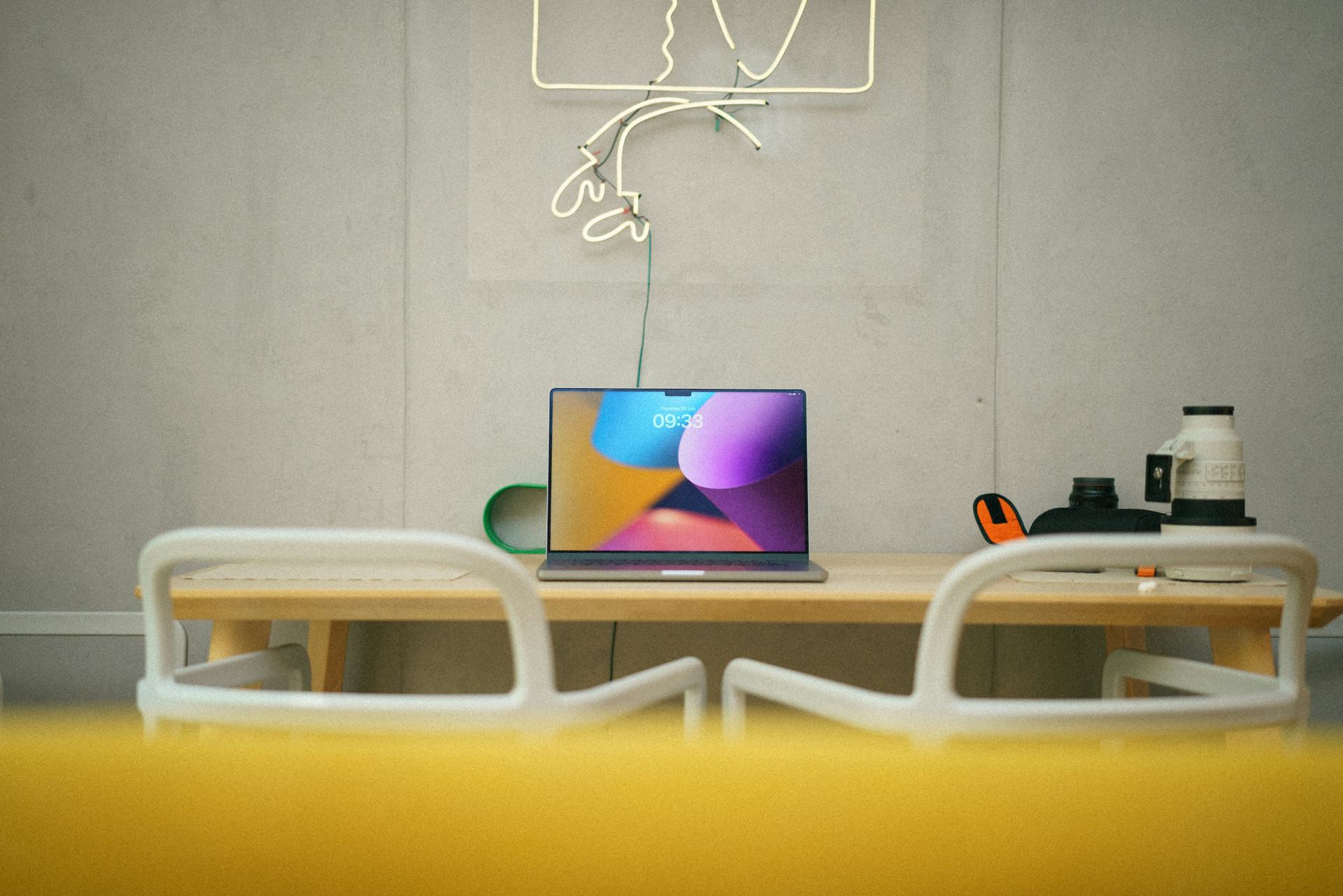
Position your workspace correctly in relation to windows and light
Light plays a major role in how we feel and perform throughout the day. Whether you’re working from home or in an office, the way your workspace is positioned in relation to windows and light sources can make a big difference to your comfort, focus, and energy levels. It’s not just about avoiding glare on your screen – it’s about creating an environment that supports your eyes and helps you stay productive. Here’s how to set up your workspace for the best possible lighting conditions in an Australian setting.
Make the most of natural light – but manage it wisely
Natural daylight is the healthiest and most energising light source we have. It helps regulate your body clock, boosts mood, and supports concentration. However, Australia’s sunlight can be intense, especially in summer, so it’s important to balance brightness with comfort.
The ideal setup is to place your desk perpendicular to the window, so the light comes from the side. This way, you benefit from daylight without being dazzled or dealing with reflections on your screen. Sitting with your back to the window can cause glare on your monitor, while facing the window directly can lead to eye strain from bright light.
If your windows face north or west, you’ll likely get strong afternoon sun. Use blinds, sheer curtains, or adjustable shutters to control the amount of light and heat entering the room. In southern-facing rooms, you’ll get softer, more consistent light that’s easier to work with.
Combine natural and artificial lighting
Even in bright climates, daylight doesn’t last all day – especially in winter or on overcast days. Supplement natural light with artificial lighting that mimics daylight quality.
A ceiling light with soft, even illumination provides a good base level of brightness. Add a desk lamp that can be adjusted in both direction and intensity, so you can focus light exactly where you need it. Choose a lamp with adjustable colour temperature: a cooler white light (around 4000–5000 kelvin) helps with focus and alertness, while a warmer tone (around 2700–3000 kelvin) is better for winding down later in the day.
Avoid shadows and reflections
When working on a computer or writing by hand, shadows and reflections can quickly become distracting. If you’re right-handed, position your light source on the left side; if you’re left-handed, place it on the right. This prevents your hand from casting shadows over your work.
Check how light hits your screen throughout the day. Even small reflections can cause eye fatigue over time. A matte screen finish and a monitor positioned at eye level can help reduce glare and improve comfort.
Consider the whole room
Good lighting isn’t just about your desk – it’s about the entire room. A space with harsh contrasts between bright and dark areas can strain your eyes. Aim for soft, balanced background lighting, such as a floor or wall lamp, to reduce the difference between your screen and the rest of the room.
Light-coloured walls, reflective surfaces, and indoor plants can help distribute light more evenly and create a calm, inviting atmosphere. In Australia’s bright climate, using lighter tones can also help keep the space feeling cool and open.
Adjust for season and time of day
Lighting conditions change dramatically across the day and year. In summer, you may need to block out harsh sunlight and heat, while in winter, you’ll want to capture as much daylight as possible. Consider a flexible setup that allows you to move or adjust your workspace as needed.
During darker months or early mornings, daylight lamps can help maintain your energy and focus by simulating natural light. They’re especially useful if you start work before sunrise or in rooms with limited windows.
Create a space that supports your focus
A well-lit workspace is about more than just visibility – it’s about wellbeing. When your lighting is comfortable and balanced, you’ll feel more focused, less tired, and better able to sustain your concentration throughout the day. It’s a small investment that pays off in productivity and comfort.
So before you start your next work session, take a moment to look around. Notice how the light falls, make a few adjustments, and you’ll soon feel the difference in both your mood and your performance.