New and Reclaimed Materials – Build Sustainably Without Compromising on Quality

New and Reclaimed Materials – Build Sustainably Without Compromising on Quality
Sustainable building is no longer just an idealistic goal – it’s about quality, durability, and responsibility. Across Australia, both professional builders and homeowners are increasingly choosing materials that are either reclaimed or produced with a low environmental footprint. But how can you make sure that your sustainable choices also meet high standards of performance and design? Here’s a guide to building green without sacrificing quality or style.
Why Choose New and Reclaimed Materials?
The construction industry is one of the largest contributors to global carbon emissions, and materials like concrete, steel, and glass require vast amounts of energy to produce. By opting for reclaimed or eco-friendly alternatives, you can reduce waste, save energy, and give your project a unique character.
Reclaimed materials often carry a story and a texture that new products can’t replicate. A weathered timber beam or a brick with a touch of patina can add warmth and authenticity to a modern home. At the same time, new sustainable materials – from FSC-certified timber to insulation made from recycled paper or hemp – combine environmental responsibility with technical excellence.
Timber – Nature’s Renewable Building Material
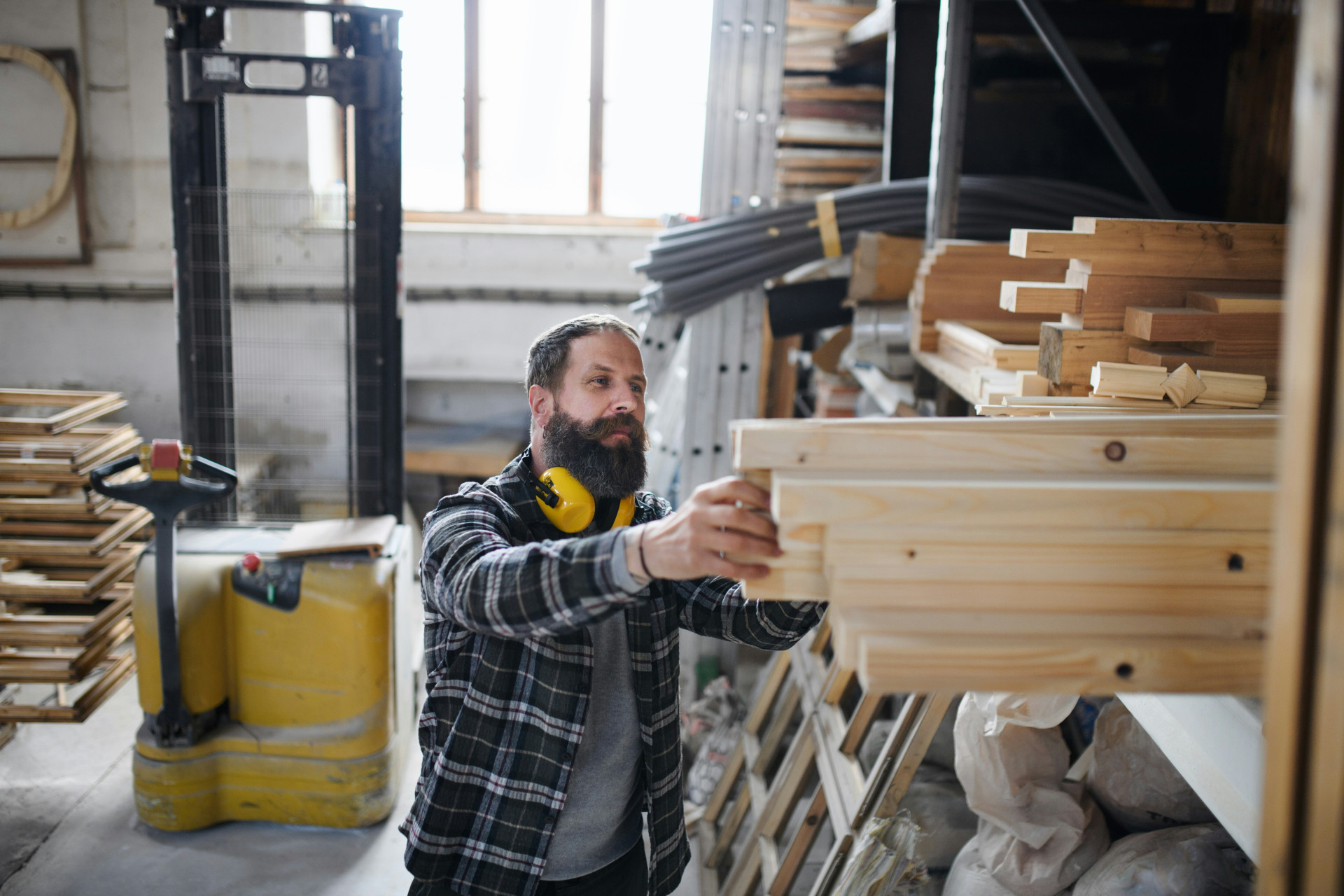
Timber is one of the most popular materials in sustainable construction. It’s renewable, stores carbon, and can be reused or naturally decomposed. However, not all timber is equally sustainable. Look for certifications such as FSC or PEFC, which ensure responsible forest management.
In Australia, locally sourced hardwoods and plantation timbers can be excellent choices. You can also consider using reclaimed timber from old barns, wharves, or industrial buildings. It may require extra preparation, but the result is unique – and the environment benefits too.
Bricks, Masonry, and Concrete – Reuse with Character
Bricks are among the most durable building materials, and many older bricks can be cleaned and reused. This saves both energy and resources, as producing new bricks requires high heat. Reclaimed bricks also offer a rich, varied surface that gives buildings a distinctive look.
Concrete is more challenging to reuse directly, but innovative solutions are emerging. Crushed concrete can be used as aggregate in new mixes, reducing the need for fresh cement – one of the most carbon-intensive materials in construction. Some Australian companies are even developing low-carbon concrete blends using recycled materials and industrial by-products.
Insulation and Finishes – Rethinking the Green Way
Insulation is an area where sustainable alternatives have made great progress. Materials such as cellulose fibre, hemp, sheep’s wool, and recycled denim offer excellent thermal performance with a low environmental impact. They’re also pleasant to work with and contribute to a healthy indoor climate.
When it comes to finishes, choose paints and coatings that are low in volatile organic compounds (VOCs), or use natural products like linseed oil and beeswax. These options not only look beautiful but also improve indoor air quality – an important consideration in Australia’s varied climates.
Reuse in Practice – Planning Is Key
Building with reclaimed materials requires careful planning. You need to know where to source them and how to adapt them to your design. Many Australian salvage yards, demolition companies, and online marketplaces now offer sorted and quality-checked reclaimed materials – from doors and windows to roof tiles and fittings.
Always check the condition and suitability of materials, especially if they’re to be used in structural applications. Consulting an experienced builder or engineer can help ensure that reused materials meet safety and performance standards.
Quality and Aesthetics – The Sustainable Balance
Sustainability isn’t about compromise; it’s about making thoughtful, long-term choices. A home built with durable, repairable materials is inherently sustainable. The goal is to select solutions that perform well technically and aesthetically – and that you’ll enjoy for years to come.
A smart approach is to combine the old and the new. Use reclaimed materials where they make sense, and complement them with new, eco-friendly products where strength and durability are critical. This way, you get the best of both worlds.
The Future of Building Is Circular
As resources become scarcer and environmental standards tighten, the construction industry is moving toward a circular model. This means designing buildings so that materials can be disassembled, reused, and reintroduced into new projects. Already, some Australian architects and builders are designing homes with future reuse in mind – ensuring that nothing goes to waste.
As a homeowner, you can contribute by thinking long-term: choose materials that can be repaired, and avoid disposable solutions. It’s both economically sensible and environmentally responsible.
Build with Care – and with Pride
Building sustainably isn’t just about saving resources; it’s about creating something that lasts – physically, aesthetically, and ethically. When you choose new and reclaimed materials thoughtfully, you’re not just constructing a house. You’re building a story of quality, responsibility, and respect for craftsmanship – one that reflects the best of Australian ingenuity and care for the planet.