Make the Pet’s Care Part of the Kids’ Responsibility

Make the Pet’s Care Part of the Kids’ Responsibility
A pet brings joy, companionship, and learning into a family – but it also requires time, care, and commitment. For many parents, feeding, walking, and cleaning up after the pet can quickly become just another task on the to-do list. Yet, a pet’s daily routines can be a wonderful opportunity to teach children about responsibility, empathy, and teamwork. Here’s how you can make pet care a natural part of your kids’ everyday life.
Responsibility at Kid Level
When children are involved in caring for the family pet, they learn that animals – just like people – have needs that must be met every day. The key is to match the tasks to the child’s age and maturity.
- Young children (3–6 years) can help with simple tasks such as pouring food into the bowl, brushing the pet under supervision, or refilling the water dish.
- Primary school kids (7–11 years) can take on more independent jobs like walking the dog in the backyard, cleaning the cage, or checking that there’s enough food.
- Teenagers can handle bigger responsibilities – for example, planning feeding schedules, booking vet appointments, or organising pet care when the family goes away.
By adjusting the tasks to suit their age, you avoid overwhelming the child while giving them a sense of ownership and pride.
Make It Part of the Routine
To keep pet care from feeling like a chore, it helps to make it part of the daily rhythm. For instance:
- Feeding the pet while breakfast is being prepared.
- Taking the dog for a short walk after school.
- Spending Sunday morning cleaning the cage or tank together.
When these tasks become part of the family’s routine, they’re easier to remember – and less likely to cause arguments. A simple weekly chart or whiteboard can help divide the tasks and keep everyone on track.
Learning Through Experience
Children learn best through hands-on experiences and relationships. Use your pet as a way to talk about feelings, needs, and responsibility. You might ask:
- How can we tell if the cat is happy or uncomfortable?
- What happens if we forget to give the guinea pig water?
- How do you think the dog feels when we play with it?
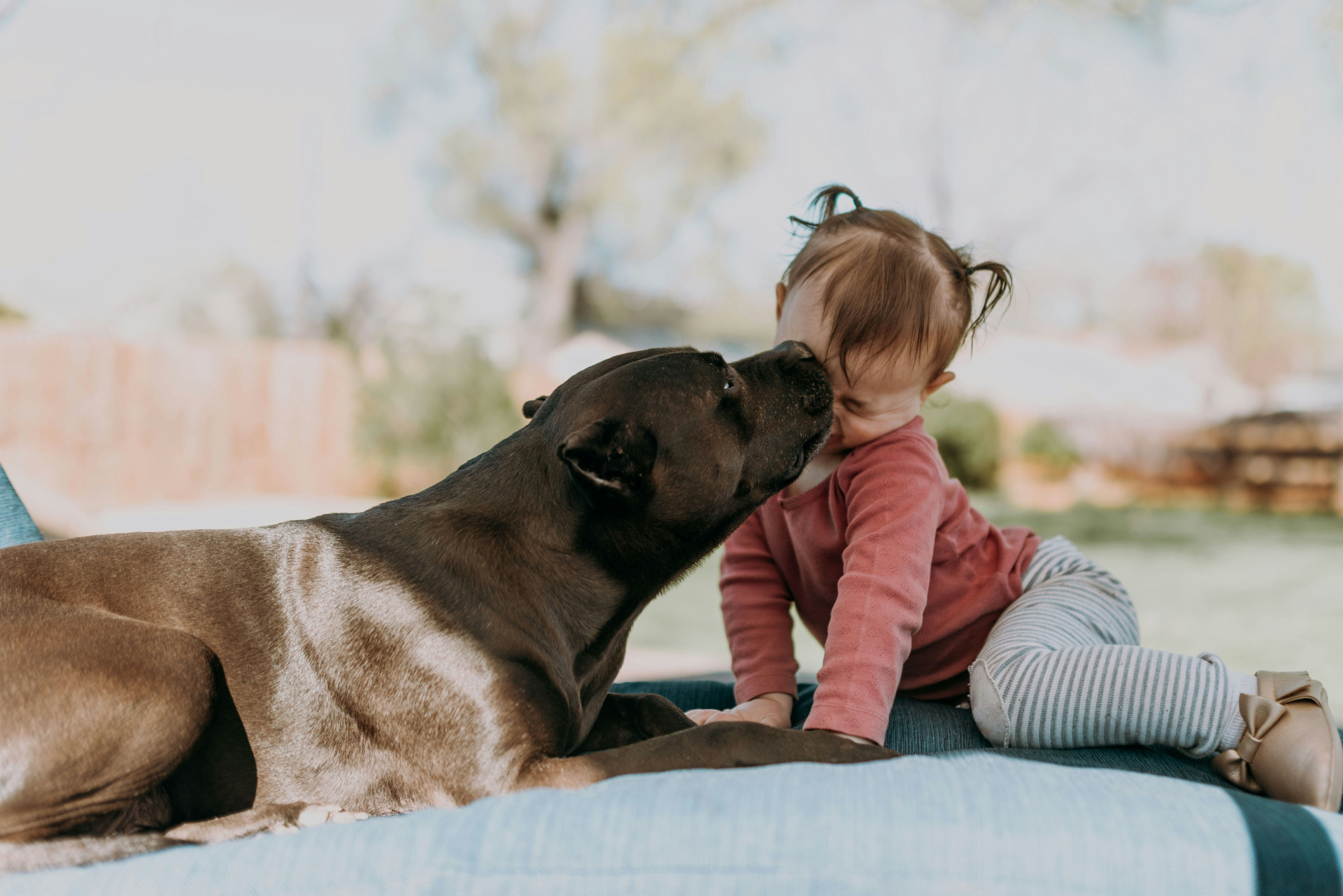
These conversations help children develop empathy and understand that animals are living beings with emotions – not toys.
When Motivation Fades
It’s completely normal for kids to lose interest from time to time. Instead of taking over all the tasks yourself, help them rediscover their motivation. You could:
- Make the chores fun – for example, play some music while cleaning the cage.
- Offer small rewards, like a trip to the pet shop or an extra walk in the park.
- Talk about why the pet depends on them and how their help makes a difference.
The goal is for the child to see that their effort truly matters.
Teamwork, Not Control
Even though children should have responsibilities, parents still hold the ultimate responsibility for the pet’s wellbeing. That means supporting, reminding, and helping – without taking everything over. Think of it as teamwork, where everyone contributes.
When children feel trusted and appreciated for their efforts, their confidence and willingness to take responsibility grow.
An Investment in Both Child and Pet
Letting kids take part in caring for the family pet isn’t just about easing the parents’ workload. It’s an investment in the child’s development. Through daily care, children learn to take responsibility, show compassion, and understand the consequences of their actions – values that reach far beyond their relationship with the pet.
And at the same time, the pet receives more attention, affection, and love – exactly what makes it a true part of the family.