Lime and Materials: How Steel, Chrome and Plastic Are Affected

Lime and Materials: How Steel, Chrome and Plastic Are Affected
Lime build-up is a common issue in many Australian homes, especially in areas with hard water. It appears as white, chalky deposits on taps, tiles and shower screens – and over time, it can wear down surfaces and shorten the lifespan of fittings. But lime doesn’t affect all materials in the same way. Steel, chrome and plastic each react differently, which matters when it comes to cleaning, maintenance and choosing materials for your home. Here’s a guide to how lime affects these three common materials – and how you can best protect them.
What Is Lime – and Why Does It Form?
Lime, or limescale, is mainly made up of calcium and magnesium salts that occur naturally in water. When water is heated or evaporates, these minerals are left behind as hard, white deposits. The harder the water, the more lime forms. In Australia, water hardness varies widely: it’s relatively soft in places like Tasmania and parts of Queensland, but much harder in regions such as Adelaide, Perth and parts of Victoria.
Lime itself isn’t harmful to health, but it can be frustrating and damaging to surfaces, valves and seals. Understanding how different materials respond helps you take the right steps before problems arise.
Steel – Strong but Not Invincible
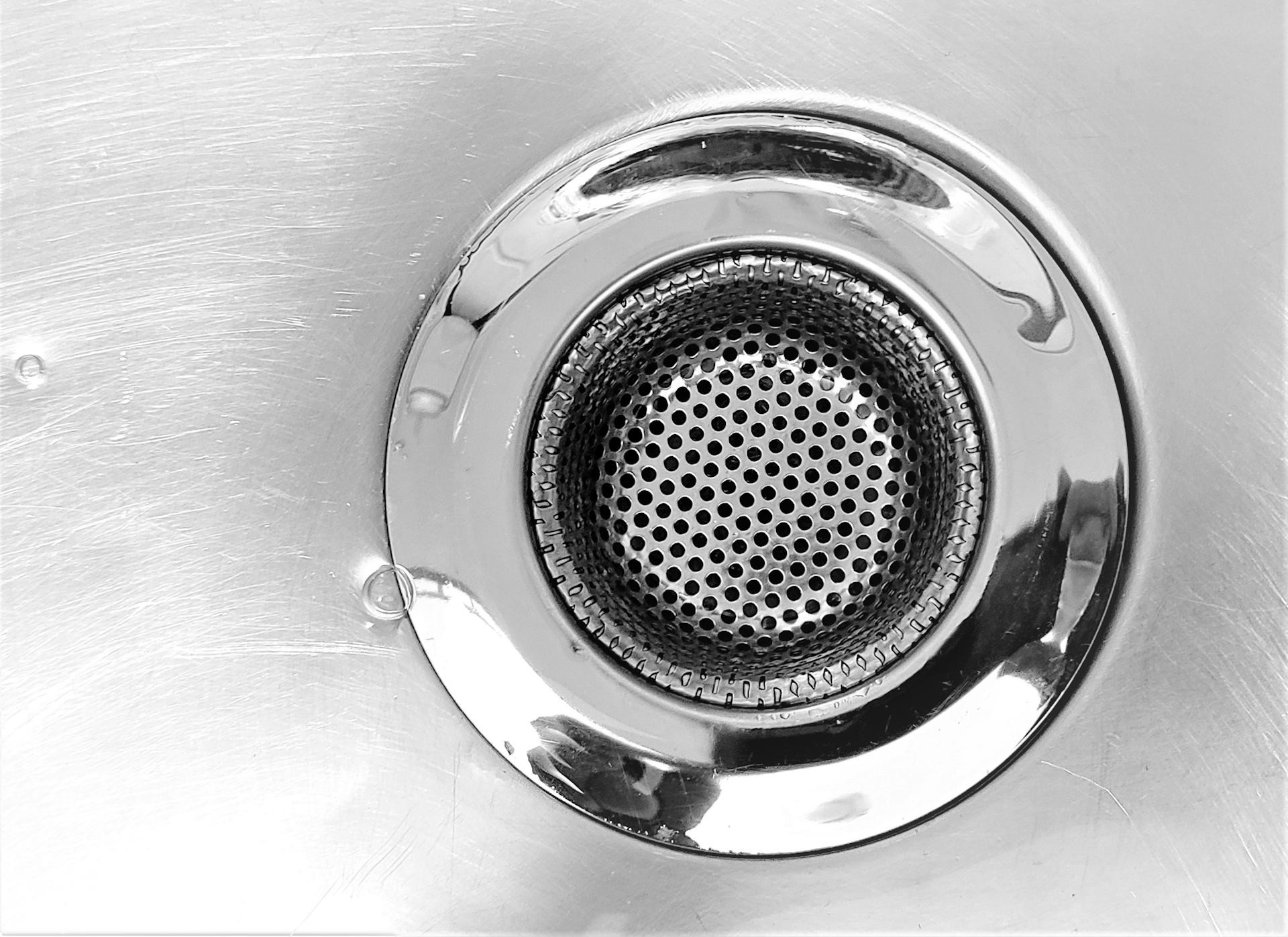
Stainless steel is a popular choice in kitchens and bathrooms because it’s durable, hygienic and resistant to corrosion. However, even stainless steel can suffer from lime build-up if it’s not maintained properly.
Lime leaves dull spots that can be difficult to remove, and if left for too long, these deposits can trap moisture and cause minor discolouration. Over time, this can weaken the protective surface layer that keeps the steel rust-free.
How to protect steel:
- Wipe surfaces dry after use, especially around sinks and taps.
- Use mild, non-acidic cleaning products.
- Avoid steel wool or abrasive powders that can scratch.
- Remove lime with a mix of vinegar and water, then rinse thoroughly.
Chrome – Shiny but Sensitive
Chrome-plated fittings and showerheads add a sleek, polished look, but they’re more delicate than they appear. The chrome layer is thin and can be damaged by harsh acids or abrasive cleaners.
Lime builds up quickly on chrome, particularly in showers where water evaporates on the surface. If not cleaned regularly, the deposits can dull the shine and become difficult to remove without scratching.
How to care for chrome:
- Wipe fittings with a soft cloth after each use.
- Use a mild vinegar solution to dissolve lime, but don’t leave it on for long.
- Avoid cleaners containing ammonia or abrasives.
- Polish with a dry microfibre cloth to restore the shine.
Plastic – Practical but Prone to Discolouration
Plastic is widely used in plumbing components, from shower hoses to drains and fittings. It’s lightweight, affordable and rust-resistant – but lime can still cling to it, leaving stains or rough patches.
Some plastics don’t tolerate strong acids, so be cautious with vinegar or commercial descalers. Over time, repeated use of acidic cleaners can make plastic brittle or dull.
How to maintain plastic:
- Clean regularly with warm water and mild detergent.
- If needed, use a weak vinegar solution, testing it on a small area first.
- Avoid scrubbing too hard – use a soft sponge instead.
- Rinse thoroughly to remove any cleaning residue.
Prevention – The Best Defence Against Lime
While cleaning helps, prevention is the most effective way to protect your materials. Installing a water softener or filtration system can significantly reduce lime build-up, especially in areas with hard water. This not only keeps your fittings looking better but also extends the life of appliances like kettles, dishwashers and washing machines.
Simple habits can also make a big difference:
- Wipe down surfaces after use.
- Use a squeegee on tiles and glass screens.
- Descale showerheads and aerators regularly.
- Check seals and washers, which can stiffen due to lime deposits.
A Clean Look – and Longer Lifespan
Lime is a natural part of everyday life in many Australian households, but with the right care, you can keep steel, chrome and plastic looking their best for years. It’s not just about appearance – regular maintenance extends the life of your fixtures and reduces the risk of damage.
By understanding how each material reacts and taking timely action, you can preserve both function and finish – and keep those white marks from dulling the shine of your kitchen or bathroom.