Light and Air in the Home – Plan for the Free Flow of Space and Atmosphere


Light and Air in the Home – Plan for the Free Flow of Space and Atmosphere
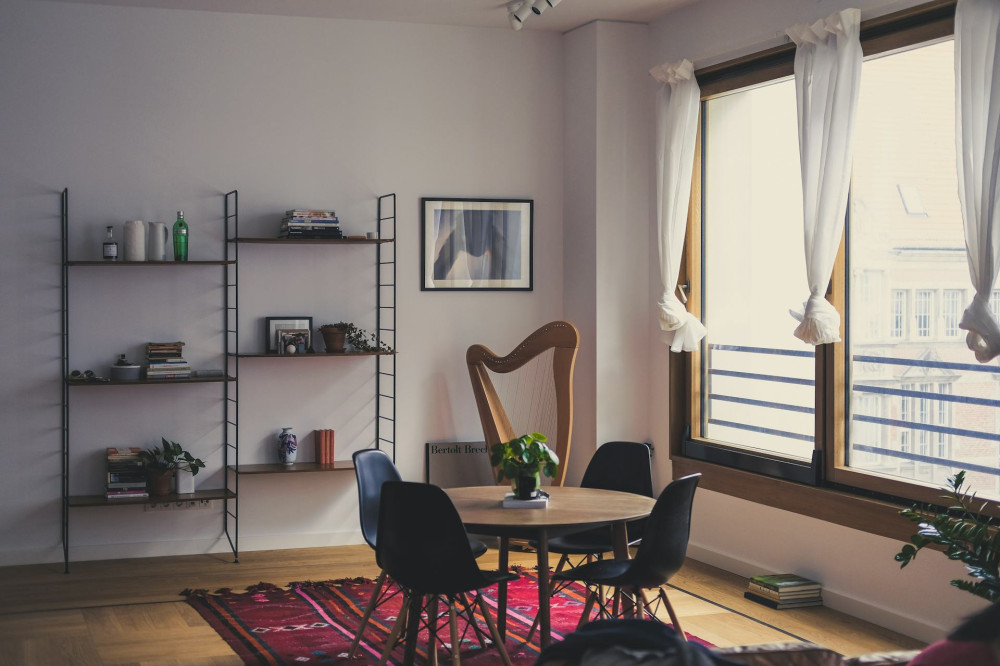
A home filled with light and air feels larger, calmer, and more welcoming – no matter its size. It’s not just about big windows or white walls, but about creating a layout and interior that allow space and atmosphere to move freely. When you plan your home with light and air in mind, you create a setting that feels balanced, open, and alive.
Think in Flow – Not Just in Function
Many homes are designed around function: this is where we cook, this is where we sleep, this is where we work. But a truly comfortable home also depends on how the spaces connect. The movement through your home – the flow – shapes how you experience it.
Consider how you move through your home each day. Is there a natural connection between the kitchen, living area, and outdoor space? Can you see daylight from more than one direction as you walk through? Small changes, like removing a door, opening a wall, or repositioning furniture, can transform the sense of openness and continuity.
Light as a Creator of Mood
Natural light is one of the most powerful elements for wellbeing and spatial perception. A well-lit room feels larger, fresher, and more alive. Think about how the light shifts throughout the day and how you can make the most of it.
- Use window placement wisely – avoid blocking light with heavy furniture.
- Choose light colours for walls and ceilings to reflect brightness.
- Add mirrors to double the sense of space and light.
- Layer your lighting – combine ceiling lights, floor lamps, and soft ambient lighting for evenings.
In Australia, where sunlight can be intense, consider how to filter and soften it. Sheer curtains, adjustable blinds, or pergolas with climbing plants can help you balance brightness and comfort. Let the light “travel” through your home with glass doors, open shelving, and light fabrics that carry daylight from one room to another.
Air and Openness – Without Losing Warmth
Open-plan living is popular across Australia, especially in homes that connect indoor and outdoor spaces. But openness needs balance. Too much can make it hard to find quiet, while too many walls can make a home feel closed in.
Use lightweight dividers, plants, or furniture to define zones instead of solid walls. This keeps the sense of airiness while giving each area its own purpose. A rug under the dining table or a pendant light above the sofa can mark a “room within a room” – without cutting off the flow.
Materials That Breathe
Light and air are also about how materials behave. Natural materials like timber, clay, and untreated fabrics help regulate humidity and temperature, creating a healthier indoor climate. They also bring a tactile warmth that complements Australia’s relaxed lifestyle.
Think about how surfaces interact with light. Matte finishes create a soft, calm look, while glossy ones reflect more light and energy. A mix of both often gives the best balance – gentle yet lively.
Plan for Views and Breathing Space
A home that feels open isn’t just about what’s inside, but also what you can see beyond it. Views of greenery, sky, or even a small courtyard can give a sense of freedom. If you live in a dense area, create “internal views” – sightlines through multiple rooms or towards a quiet corner with plants or artwork.
Give your eyes and mind places to rest. A simple wall, a clear shelf, or a window with a view can act as a visual pause. These moments of stillness make the rest of your home feel more spacious and serene.
Create Atmosphere Through Simplicity
When planning for light and air, it’s tempting to strip everything back. But a home also needs personality. Choose a few meaningful objects and let them breathe. A ceramic bowl catching the morning light, a painting on a pale wall, or a chair in a sunny corner can bring warmth and identity.
It’s not about minimalism, but mindfulness. When you give space to light and air, you also give space to yourself – to feel, to breathe, and to truly live in your home.