Is the foundation insulated well enough? How to assess it

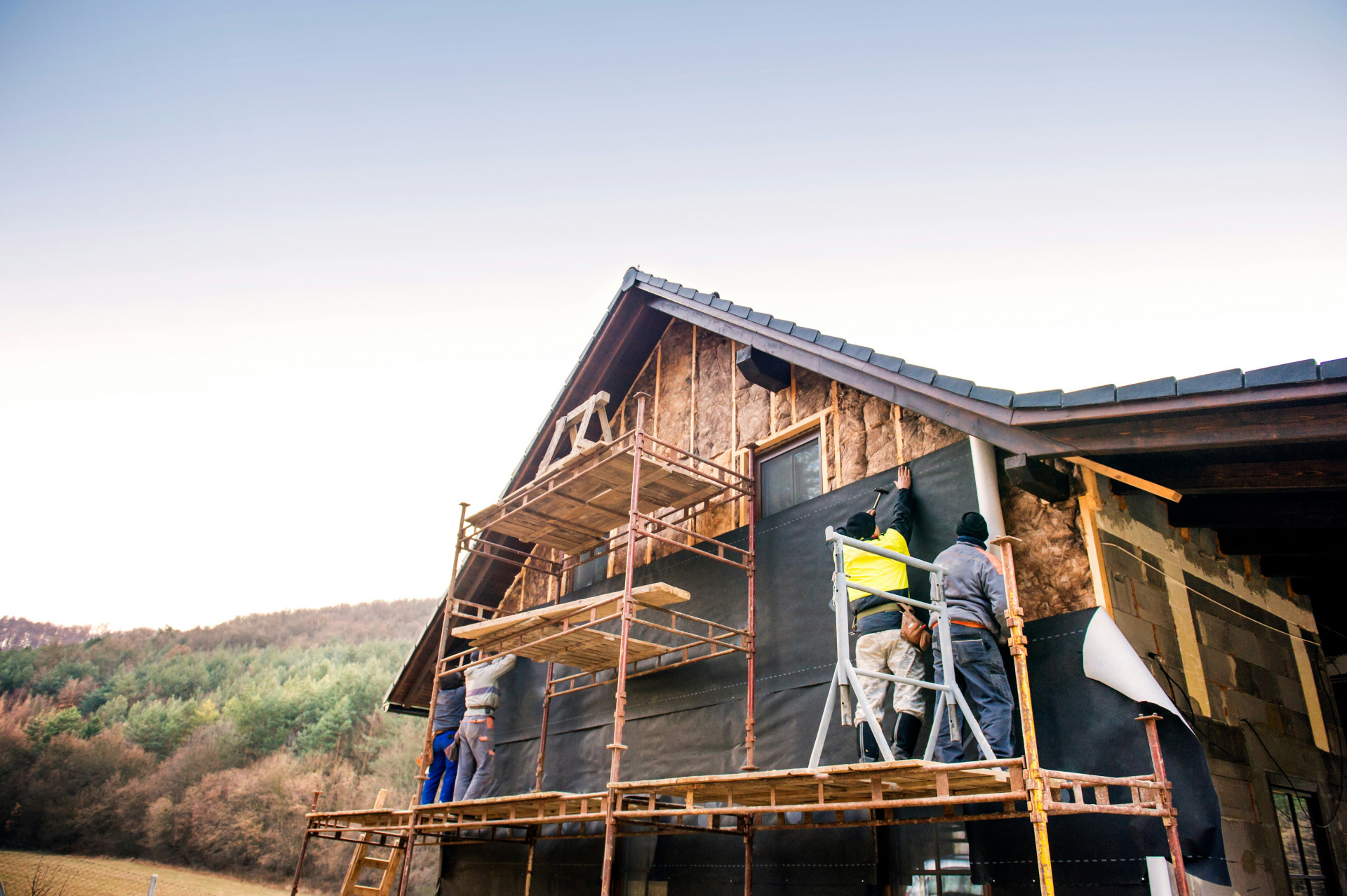
Is the foundation insulated well enough? How to assess it
The foundation – the transition between the ground and your home’s walls – plays a crucial role in comfort, energy efficiency, and durability. If it isn’t properly insulated, heat can escape through the floor, and moisture can rise into the structure. The result may be cold floors, higher energy bills, and even structural damage over time. But how can you tell if your foundation is insulated well enough? Here’s a practical guide for Australian homeowners to assess the situation and decide whether improvements are worthwhile.
Why foundation insulation matters
The foundation supports your home and shields it from ground moisture and temperature fluctuations. Good insulation reduces heat loss through the floor and prevents thermal bridging – areas where heat escapes and cold air seeps in. In Australia’s varied climate, from cool southern regions to hot and humid northern zones, proper insulation helps maintain indoor comfort year-round and reduces the load on heating and cooling systems.
Older homes, especially those built before the 1990s, often have little or no foundation insulation, as energy efficiency standards were less strict. Newer homes are generally built with insulation materials such as rigid foam boards or moisture-resistant mineral wool, designed to withstand soil pressure and damp conditions.
Signs your foundation may not be insulated properly
Watch for these common indicators:
- Cold or uneven floors – particularly near external walls or corners.
- Drafts or cold spots – noticeable along skirting boards or at the base of walls.
- Dampness or mould – moisture rising from the ground can condense on cold surfaces.
- High energy bills – a sign that heat is escaping through the floor or foundation.
- Cracks or efflorescence – white, powdery deposits on concrete can indicate moisture movement.
If you notice several of these issues, it’s worth investigating your foundation’s insulation more closely.
How to assess the insulation
You can get an idea of your foundation’s condition in several ways:
- Check your home’s age and building plans – local council records or your builder may have details about the construction and whether insulation was included.
- Inspect the exterior – look for cracks, flaking, or damp patches along the base of the walls. These can reveal water ingress or missing insulation.
- Use a thermal thermometer or camera – compare surface temperatures along the foundation and walls. Cooler areas may indicate heat loss.
- Engage a professional energy assessor – a thermal imaging inspection can pinpoint exactly where insulation is lacking.
- Review your energy rating – an updated assessment can show how foundation insulation affects your home’s overall efficiency.
Options for improving insulation
If your foundation is poorly insulated, there are several ways to upgrade it, depending on your home’s design and soil conditions:
- External insulation – the most effective method, where soil is excavated around the foundation and rigid insulation boards are installed on the outside. This protects against both heat loss and moisture.
- Internal insulation – suitable when external work isn’t possible, but it must be carefully designed to prevent condensation and dampness.
- Underfloor insulation – for homes with suspended timber floors, adding insulation beneath the floorboards can significantly reduce heat loss.
- Slab edge insulation – for concrete slab homes, insulating the slab edges can improve thermal performance, especially in cooler climates.
Always choose materials that resist moisture and compression, and ensure proper drainage and waterproofing to prevent water accumulation around the foundation.
When is it worth the investment?
Upgrading foundation insulation can lower energy costs, improve comfort, and protect your home from moisture damage. The financial return depends on your home’s age, energy use, and the extent of the work required. In many cases, it’s most cost-effective to combine foundation insulation with other energy upgrades, such as wall or roof insulation, or window replacements.
A qualified energy assessor can help estimate potential savings and determine whether the project makes economic sense for your situation.
A more comfortable and durable home
A well-insulated foundation doesn’t just make your home warmer in winter and cooler in summer – it also helps prevent moisture problems that can lead to costly repairs. By assessing your foundation’s condition and addressing any weaknesses early, you can create a healthier, more energy-efficient home that stands up to Australia’s diverse climate for years to come.