Future-Proof Extension – Plan with Future Energy Requirements in Mind

Future-Proof Extension – Plan with Future Energy Requirements in Mind
When planning a home extension, it’s not just about adding space or improving the look of your property. It’s equally about thinking long-term – both financially and environmentally. Energy standards for Australian homes are evolving rapidly, and what meets today’s requirements may soon be outdated. By planning your extension with future energy needs in mind, you can ensure it remains efficient, comfortable, and valuable for years to come.
Understand Current and Future Energy Standards
Australia’s National Construction Code (NCC) and the Nationwide House Energy Rating Scheme (NatHERS) already set clear expectations for energy efficiency, insulation, and ventilation. However, these standards are tightening as Australia moves toward net-zero emissions targets. Future homes will need to be more energy-efficient and increasingly powered by renewable sources.
When designing your extension, it’s wise to go beyond the minimum requirements. Consider solutions that align with the standards expected in the next decade – such as higher insulation levels, double or triple glazing, and provisions for solar panels or heat pumps. Building ahead of the curve can save you from costly upgrades later.
Think Holistically – Beyond Extra Square Metres
An extension affects the energy performance of your entire home. It’s important to view the building as a whole and ensure the new section integrates seamlessly with the existing structure, both architecturally and thermally.
- Orientation and natural light: Position your extension to make the most of the sun’s warmth and light. North-facing windows can provide free winter heat, while shading or eaves help prevent overheating in summer.
- Insulation and airtightness: Pay special attention to the junctions between old and new structures. Poorly sealed connections can create thermal bridges that waste energy.
- Ventilation: A modern ventilation system with heat recovery can maintain fresh air without losing warmth, improving both comfort and indoor air quality.
By taking a whole-of-home approach, you’ll avoid creating an energy weak spot in your property.
Choose Low-Impact Materials
The materials you select have a major influence on both environmental impact and long-term maintenance. Timber, recycled bricks, and natural insulation materials such as wool or cellulose are examples of low-carbon options that also promote a healthy indoor environment.
Durability matters too. Facades and finishes that require minimal upkeep save time, money, and resources over the years. Building sustainably isn’t just about being eco-friendly – it’s about building for longevity.
Prepare for Renewable Energy Integration
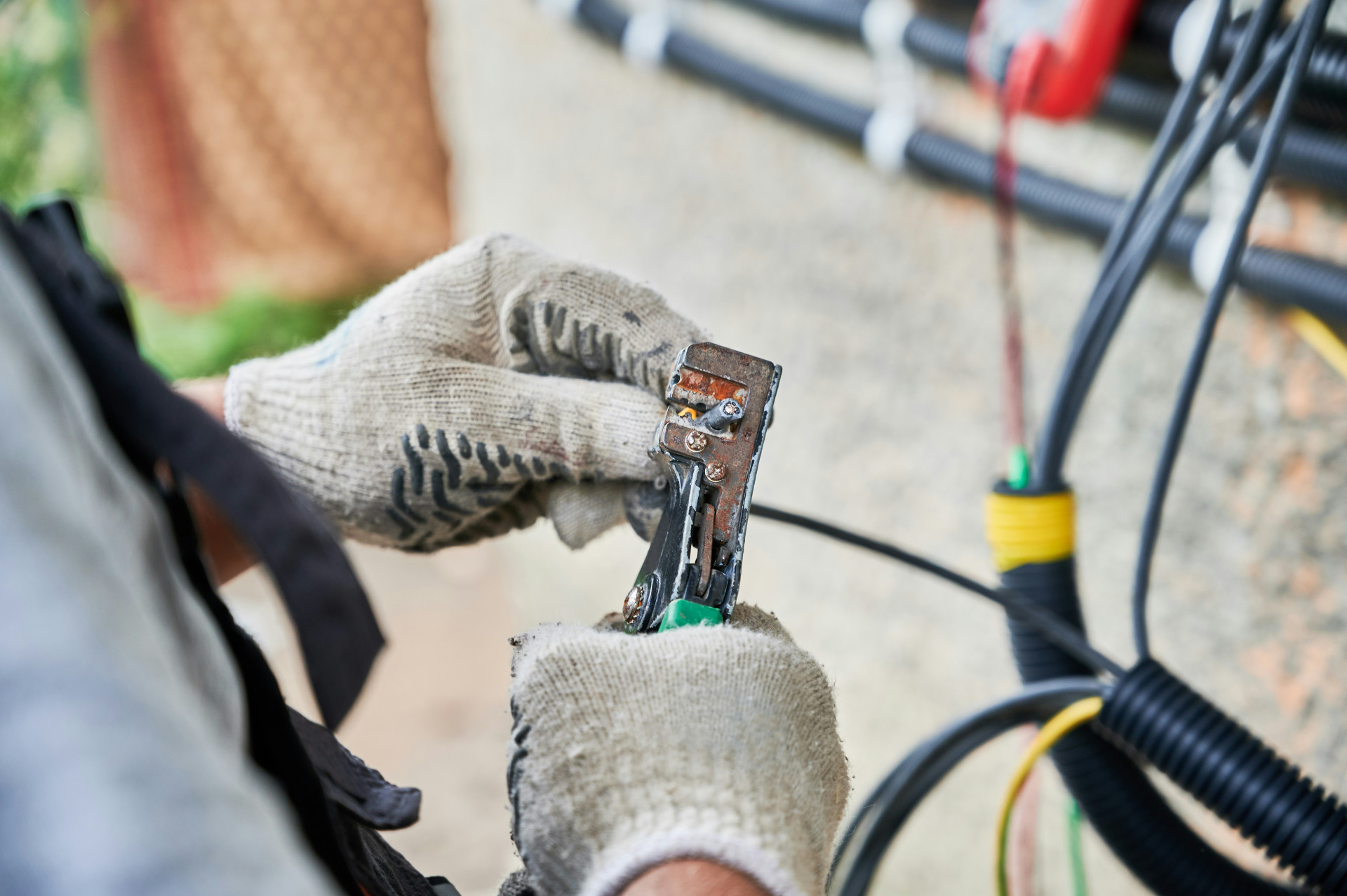
Even if you’re not ready to install solar panels, a battery system, or an electric vehicle charger right away, you can plan for them. Pre-install conduits, wiring, and roof space to make future upgrades simple and cost-effective. The same applies to plumbing for future heat pumps or greywater systems.
By preparing now, you’ll avoid expensive retrofits when energy technologies or regulations evolve.
Financial Considerations – Think Investment, Not Expense
A highly energy-efficient extension may cost a little more upfront, but it pays off over time. Lower energy bills, improved comfort, and increased property value are benefits that continue year after year.
You may also be eligible for government rebates or incentives for energy-efficient upgrades, solar installations, or sustainable materials. Check current programs in your state or territory before starting your project – they can make a significant difference to your budget.
Work with the Right Professionals
Future-proofing your extension requires expertise and careful planning. Architects, energy assessors, and builders experienced in sustainable design can help you identify the best solutions for your site and climate. They can also model your home’s energy performance to ensure it meets both current and future standards.
A collaborative approach from the start leads to better results – aesthetically, technically, and financially.
Build for the Future – Not Just for Today
Designing with future energy requirements in mind is about more than saving on power bills. It’s about creating a home that’s resilient, sustainable, and ready for the challenges ahead. A well-planned extension isn’t just extra space – it’s an investment in a cleaner, smarter, and more comfortable future.