Functional kitchen island – how to make the most of your space

Functional kitchen island – how to make the most of your space
A kitchen island has become one of the most sought-after features in modern Australian homes – and for good reason. It can serve as a workspace, a social hub, and a clever storage solution all in one. But to truly make the most of it, you need to think about both function and flow. Here’s how to design a kitchen island that works perfectly for your space, whether you live in a compact apartment or a spacious open-plan home.
Start with purpose – what do you want your island to do?
Before deciding on size, shape, and materials, consider what role your island will play in your kitchen. Will it be a cooking station with a cooktop and sink? A social space for casual dining? Or a storage hub to keep your kitchen organised?
- For cooking: Make sure there’s plenty of bench space, power outlets, and possibly an integrated cooktop. If you’re planning to cook directly on the island, include proper ventilation – a downdraft extractor or overhead rangehood can help manage steam and odours.
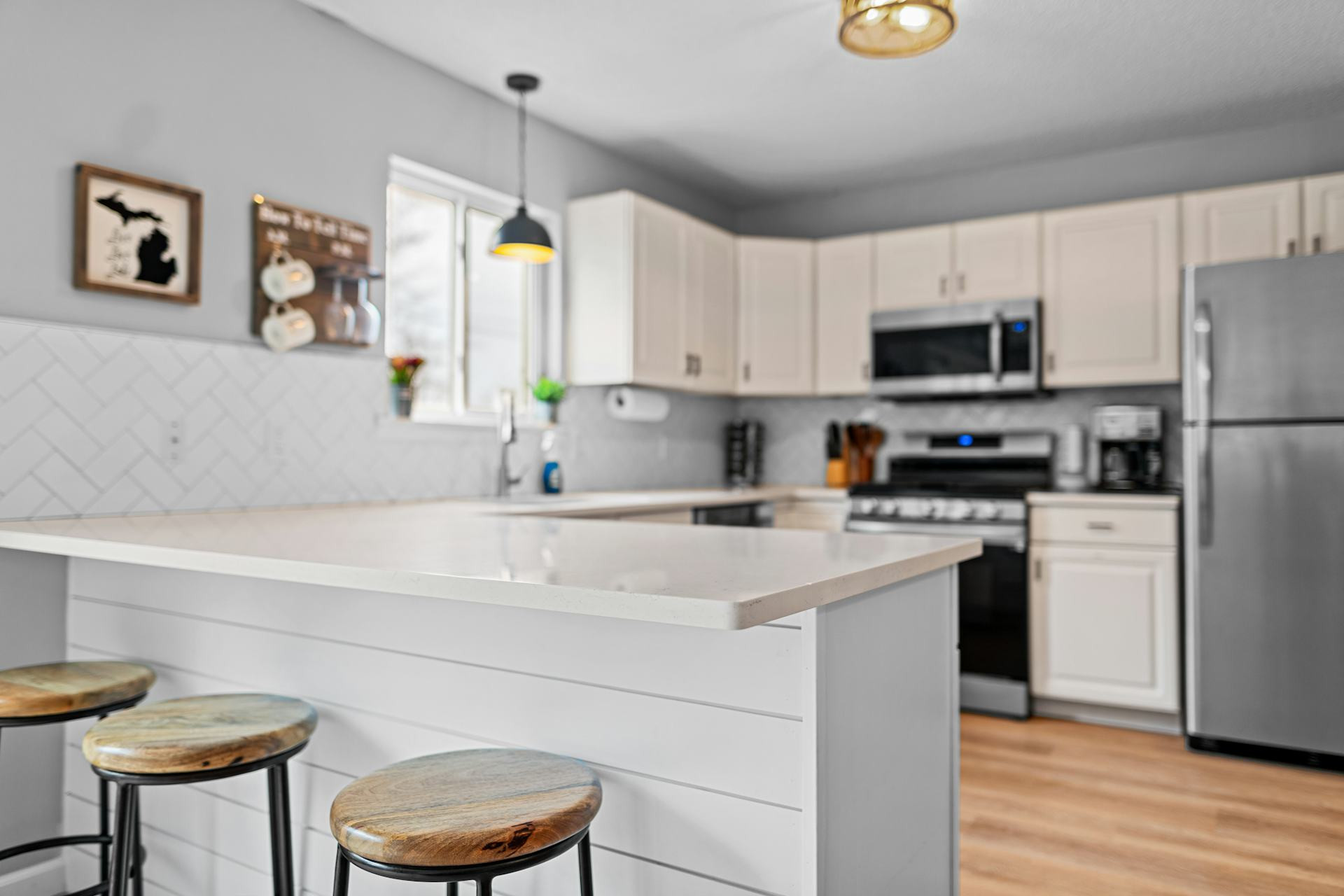
- For dining and entertaining: Add an overhanging benchtop to allow for stools. This creates a relaxed breakfast bar or a spot for guests to chat while you cook.
- For storage: Use the space beneath the benchtop for drawers, cupboards, or shelves. It’s ideal for pots, pans, or small appliances you want within easy reach.
Once you’ve defined the main purpose, it becomes much easier to choose the right design and layout.
Think about workflow and movement
A well-designed kitchen is all about flow. The classic “work triangle” between the sink, cooktop, and fridge is still a great principle to follow. Your island can form part of this triangle, helping you move efficiently between tasks.
Allow at least 90 cm of clearance around the island – more if multiple people will be cooking or moving through the space. In smaller kitchens, consider a peninsula (an island attached to a wall or benchtop at one end). It offers many of the same benefits without taking up as much room.
Make the most of storage
A kitchen island often hides more potential storage than you might expect. With a bit of smart planning, you can maximise every centimetre:
- Deep drawers are perfect for pots and pans and make it easier to see what you have.
- Pull-out racks on the sides can store spices, trays, or chopping boards.
- Open shelving at the ends can display cookbooks or decorative pieces.
- Built-in power points make it easy to use appliances without messy cords.
If you’re short on space, a mobile island on wheels can be a flexible solution – use it as extra prep space, a serving trolley, or even a drinks station when entertaining.
Balance function and style
Your kitchen island is often the visual centrepiece of the room, so it should be both practical and beautiful. Choose materials that complement your cabinetry and benchtops but also add contrast and character.
A timber benchtop can bring warmth and a natural feel, while stone or engineered surfaces like quartz or porcelain are durable and easy to maintain – ideal for Australia’s busy households. Lighting is equally important: hang pendant lights above the island to create both task lighting and ambience.
Create a social heart for your home
In many Australian homes, the kitchen is the heart of daily life – a place where cooking, conversation, and connection come together. A well-designed island can enhance that. With seating on one side and workspace on the other, you can prepare meals while chatting with family or friends.
If space allows, extend the island into a dining area to blur the line between cooking and eating. It’s a great way to make your kitchen the true social centre of your home.
Tailor the design to your space
There’s no one-size-fits-all solution. A large open-plan kitchen can accommodate a generous island with multiple functions, while a smaller space might call for a compact or movable version. The key is to design around how you use your kitchen.
Think about your daily routines – where you prep food, where you serve meals, and how you move through the space. A kitchen island should make those activities easier, not get in the way.
An investment in everyday living
A functional kitchen island is more than just a design feature – it’s an investment in how you live. It can make cooking more efficient, improve storage, and create a welcoming space for family and friends. With thoughtful planning, your island can become the natural centre of your home, where practicality and lifestyle meet in perfect balance.