Facade renovation: What can you do yourself?

Facade renovation: What can you do yourself?
A well-kept facade doesn’t just make your home look good – it also protects the structure from sun, rain, and wind. But when paint starts to peel, render cracks, or mortar crumbles, the question arises: how much can you actually do yourself, and when should you call in a professional? Here’s a guide to what Australian homeowners can handle on their own, and where the limits lie.
Start with a careful inspection
Before you pick up any tools, take time to assess the condition of your facade. Walk around your home on a dry, bright day and look for:
- Cracks in render or brickwork
- Peeling or faded paint
- Dark or damp patches that may indicate moisture problems
- Loose or crumbling mortar joints
Minor issues can often be fixed with simple tools and materials. But if you notice large cracks, bulging render, or signs of water damage behind the surface, it’s best to get professional advice. These can point to structural or moisture problems that need expert attention.
Cleaning the facade – a good place to start
A thorough clean can make a huge difference. Dust, mould, and pollution can make a facade look tired, but most of it can be removed with a soft brush, mild detergent, and water. Avoid using a high-pressure washer unless you know what you’re doing – too much pressure can damage brickwork or force water into joints.
For brick or rendered surfaces, you can use a specialised facade cleaner or a diluted vinegar solution to remove mould and algae. Always rinse well afterwards to prevent residue from damaging the surface.
Repointing mortar – a classic DIY task
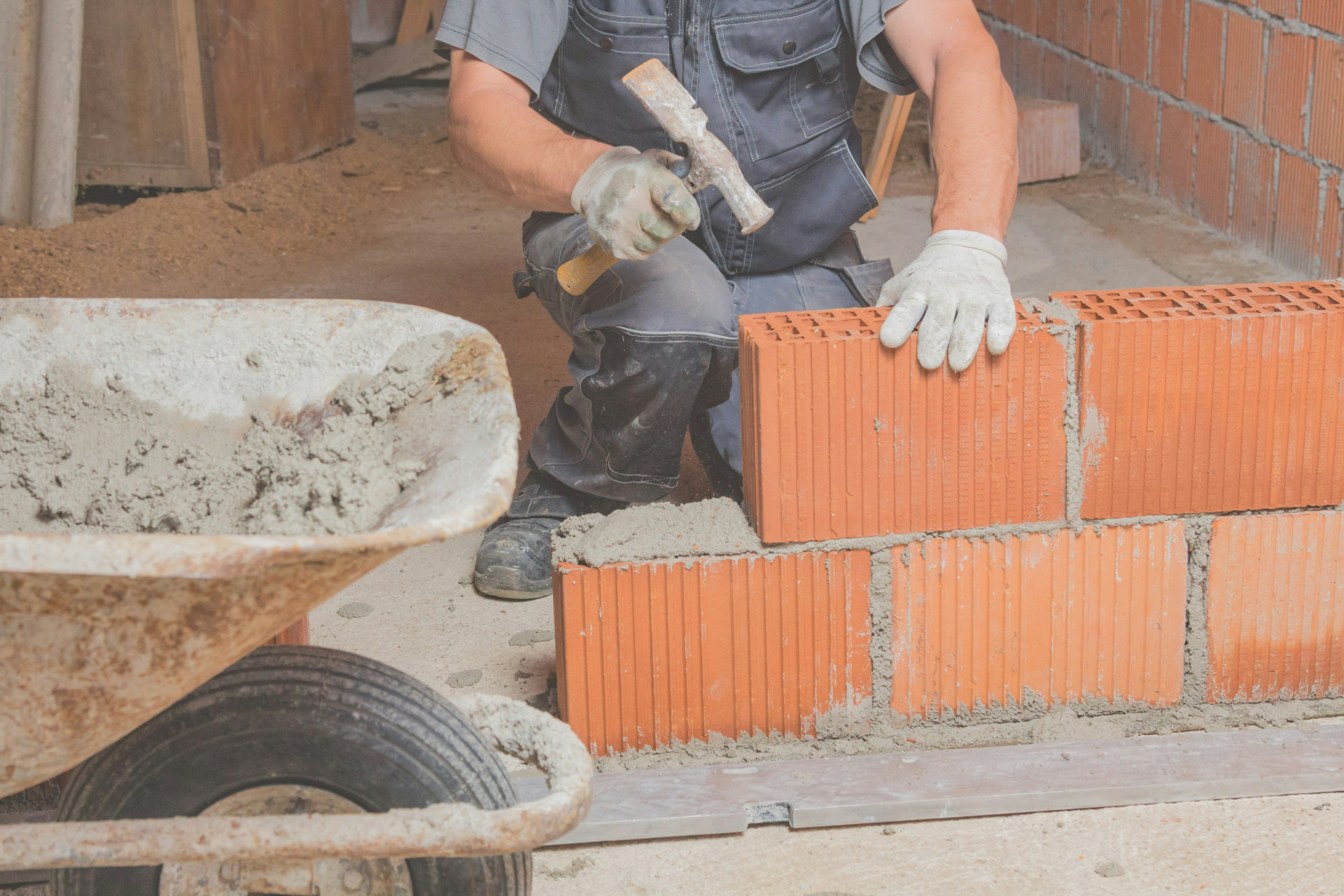
If the mortar between your bricks is starting to crumble, you can often repair small sections yourself. It takes patience but not necessarily specialist tools.
- Remove the loose mortar with a chisel or mortar rake.
- Brush away dust and lightly dampen the area.
- Apply new mortar using a pointing trowel or mortar gun.
- Smooth the joints and let them cure slowly, ideally in mild weather.
Choose a mortar that suits your home’s age and materials. Older houses often need a lime-based mortar that allows the wall to breathe, while newer homes can use cement-based mixes.
Repairing render and repainting
If you have a rendered facade, small cracks or flaking areas can be repaired without too much trouble. Chip away any loose render, clean the area, and apply new render that matches the existing texture. Once it’s dry, paint with a breathable exterior paint suitable for Australian conditions – ideally one that resists UV and moisture.
Never paint over damp or damaged render, as this can trap moisture and cause further deterioration. If large sections are loose or bulging, it’s time to call a renderer or builder for a professional assessment.
Insulation and major renovations – leave it to the experts
While many small jobs are manageable for a handy homeowner, larger projects should be left to professionals. External insulation, full facade re-rendering, or replacing damaged bricks require experience, safety equipment, and knowledge of building codes. Poorly executed work can lead to moisture problems, cracks, or reduced energy efficiency.
A qualified tradesperson can also advise on materials and finishes that suit your home’s style and the local climate – whether you live in humid Queensland, coastal New South Wales, or dry inland areas.
Maintenance – the key to a healthy facade
Once your facade is in good shape, regular maintenance will keep it that way. Inspect your home at least once a year, especially after heavy rain or storms. Clean off dirt and mould before they take hold, and make sure gutters and downpipes are clear so water drains away properly.
Small repairs done early can save you from costly renovations later – and help your home stay attractive and weather-resistant for years to come.
DIY – but with care
Facade renovation doesn’t have to be overwhelming, but it does require respect for the materials and an understanding of how your home is built. Start with the simple tasks, and don’t hesitate to seek advice if you’re unsure. With the right approach, you can save money, learn new skills, and take pride in maintaining your home – without compromising on quality or safety.