Establish a Routine for Regular Sewer Inspections

Establish a Routine for Regular Sewer Inspections
The sewer system beneath your home is one of those things you rarely think about—until something goes wrong. But a blocked or damaged sewer line can quickly lead to unpleasant odours, dampness, or even flooding. Establishing a routine for regular sewer inspections can save you from costly repairs and protect your property. With a few simple habits and scheduled checks, you can keep your drainage system running smoothly all year round.
Why Regular Inspections Matter
Your home’s sewer system plays a vital role in maintaining hygiene and comfort. Over time, tree roots, grease, sand, and debris can build up in the pipes, causing blockages. In older homes, pipes may crack or shift, allowing leaks that can attract pests or damage foundations.
By inspecting your sewer regularly, you can detect early signs of trouble before they escalate. Preventive maintenance is not only cheaper but also more environmentally responsible than dealing with major repairs after a failure.
Create a Maintenance Plan
A good routine starts with a plan. You don’t need to check your sewer every month, but an annual or biannual inspection is a sensible rule of thumb—especially if you live in an older property or an area with many trees.
- Spring and autumn are ideal times for inspections. After heavy summer rains or dry spells, soil movement can affect pipes, and in autumn, falling leaves and roots can cause blockages.
- Set reminders in your calendar so inspections become a habit.
- Keep a simple logbook of your findings and any issues. This helps you track changes over time and spot recurring problems.
Signs Your Sewer Needs Attention
Even with a regular schedule, it’s important to act quickly if you notice changes in your plumbing or drainage. Common warning signs include:
- Slow-draining sinks, showers, or toilets.
- Gurgling sounds from drains.
- Damp patches or unpleasant smells around the yard or under the house.
- Increased pest activity, such as rats or cockroaches near drains.
These symptoms don’t always mean a major problem, but they should be checked before they worsen.
How to Perform a Basic Check Yourself
You can carry out a simple visual inspection of accessible parts of your drainage system:
- Check inspection openings and access points – lift the cover and look for standing water or signs of blockage.
- Clear stormwater drains and gutters – remove leaves and debris to ensure water flows freely.
- Avoid pouring fats, oils, or food scraps down the sink – they solidify and cause clogs.
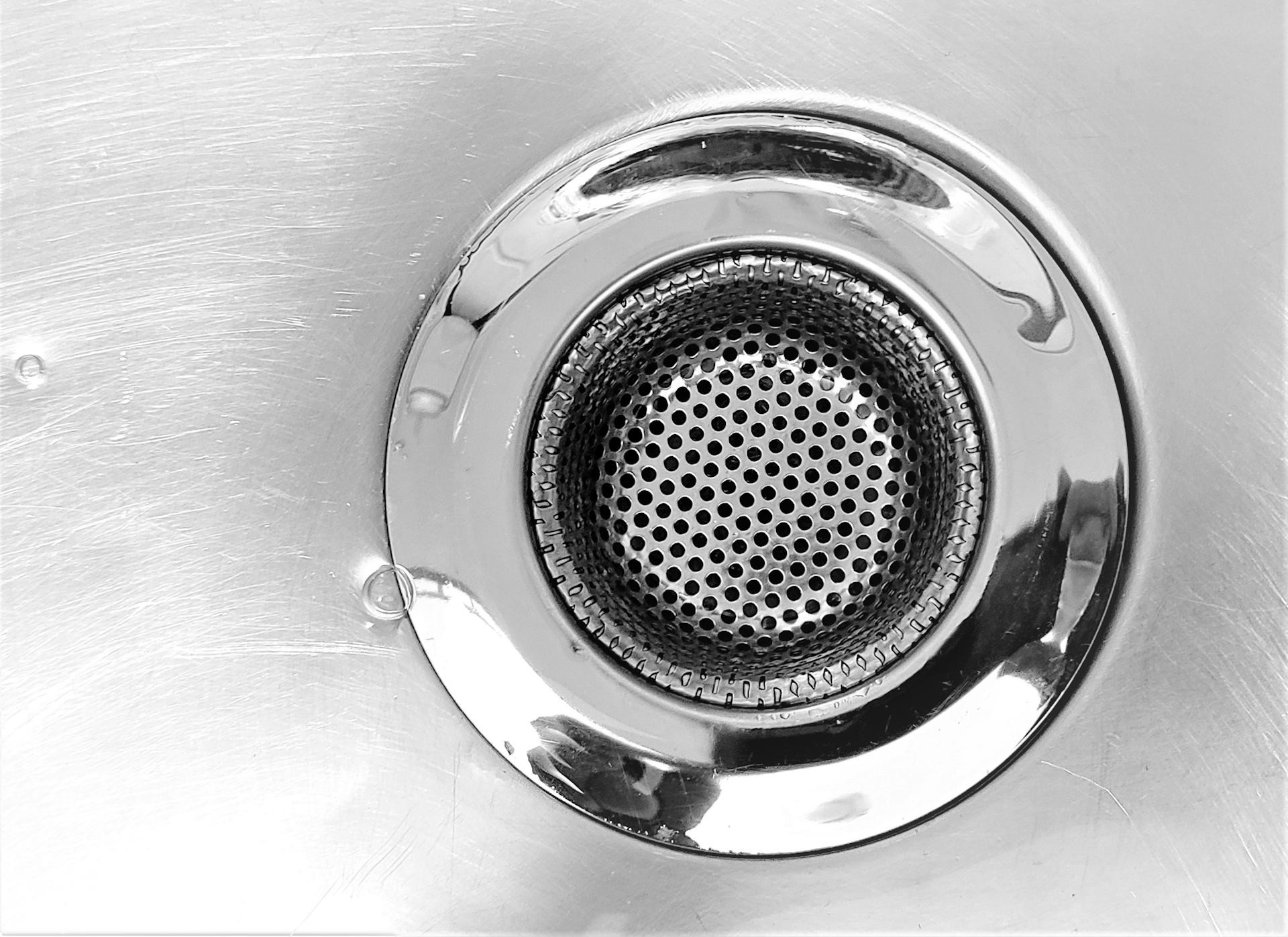
- Use drain strainers to catch hair and small debris before they enter the pipes.
If you notice anything unusual, it’s time to call a licensed plumber for a more thorough inspection.
Get Professional Help Periodically
While you can handle basic maintenance, it’s wise to have a professional plumber inspect your sewer system every few years. A qualified expert can:
- Conduct a CCTV inspection to identify cracks, root intrusion, or misaligned pipes.
- Hydro-jet clean the pipes to remove grease and sediment build-up.
- Assess the condition of your system and recommend repairs or upgrades before serious damage occurs.
Although professional inspections come at a cost, they can prevent far more expensive problems down the track.
Make Sewer Maintenance Part of Your Home Routine
Just as you service your air conditioning, clean gutters, and check your roof, your sewer system deserves regular attention. It doesn’t take much time—just consistency. Once you establish a routine, it becomes a natural part of caring for your home.
By taking responsibility for your sewer maintenance, you’ll ensure a reliable drainage system, protect your property from water damage, and avoid unpleasant surprises in the future.