Drainage and Water Balance – How to Avoid Damaging Your Garden

Drainage and Water Balance – How to Avoid Damaging Your Garden
A healthy garden depends on more than sunlight and good soil – it also relies on proper drainage and water balance. In Australia’s varied climate, from tropical downpours to long dry spells, managing water in your garden can be a real challenge. Too much water can suffocate roots and cause rot, while too little can leave plants stressed and soil lifeless. Here’s how to understand, maintain, and improve your garden’s drainage without harming the environment around it.
Why Drainage Matters in Australian Gardens
Australia’s weather can swing from heavy rain to drought within weeks. In coastal and tropical regions, intense rainfall can quickly saturate the soil, while inland areas often struggle with poor water retention. Clay soils, common in many suburban gardens, hold water for too long, while sandy soils drain too fast. Poor drainage can lead to:
- Root rot and fungal diseases – caused by waterlogged soil.
- Erosion and nutrient loss – when water runs off too quickly.
- Pests and mosquitoes – standing water creates breeding grounds.
- Damage to structures – excess water can undermine paths, patios, and house foundations.
Good drainage doesn’t mean removing all water – it means keeping the right amount where plants can use it.
Finding the Right Water Balance
Over-draining is just as harmful as poor drainage. When soil dries out too much, beneficial microbes die, organic matter breaks down, and plants struggle to absorb nutrients. The goal is balance: soil that holds enough moisture for roots but allows excess water to escape.
A few key principles:
- Don’t rush to install drains if your garden only floods briefly after heavy rain – that can be normal.
- Match your approach to your soil type: sandy soils may need organic matter to retain moisture, while clay soils may need aeration or raised beds to improve drainage.
- Use rain gardens or soakage pits to keep water on-site and recharge the soil instead of sending it straight to the stormwater system.
How to Check if Your Garden Needs Better Drainage
Before you start digging, test whether your garden truly has a drainage problem:
- Dig a hole about 50 cm deep and fill it with water. If it’s still full after 24 hours, your soil drains poorly.
- Observe after rain – if puddles remain for more than two days, you may need to improve drainage.
- Inspect around your home – damp walls or mould near the base of your house can indicate poor runoff management.
If you’re unsure, it’s worth consulting a landscaper or drainage specialist. A poorly designed system can make things worse by drying out the soil or diverting water to the wrong place.
Common Drainage Solutions
Different gardens need different approaches. Here are some of the most effective options:
- Subsurface (pipe) drainage – perforated pipes buried underground collect and redirect excess water to a soakaway or stormwater outlet.
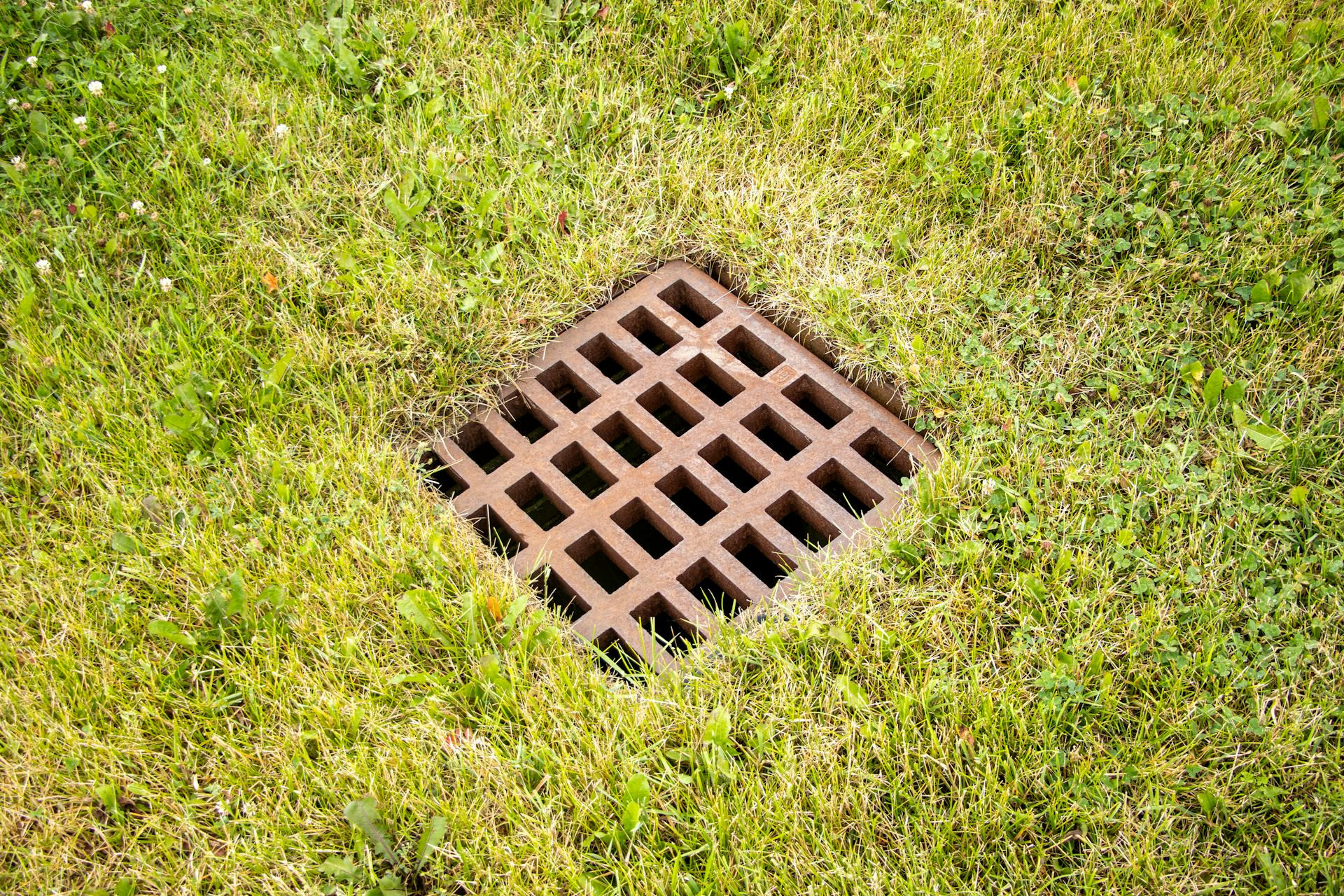
- Surface drains and channels – shallow trenches or grates that capture runoff from driveways and patios.
- Rain gardens – shallow, planted depressions that collect rainwater and allow it to soak slowly into the ground.
- Soakage pits or infiltration trenches – underground gravel-filled pits that store and gradually release water into the soil.
- Raised garden beds – ideal for heavy clay soils, keeping plant roots above saturated ground.
Rain gardens and soakage systems are particularly good for Australian conditions, as they help manage stormwater while supporting native plants and pollinators.
Maintaining Your Drainage System
Even the best drainage system needs care. Over time, soil, leaves, and roots can block pipes or channels.
- Clean drains, pits, and grates at least once a year, especially before the wet season.
- Check that outlets are clear and water flows freely.
- Avoid planting large trees with invasive roots near pipes.
- If water stops draining properly, you may need to flush or replace blocked sections.
Regular maintenance prevents small issues from turning into costly repairs.
Environmental and Legal Considerations
In many parts of Australia, stormwater management is regulated by local councils. You may need approval before connecting drains to the street system or altering natural water flow. Always check local guidelines before starting major work.
Think sustainably: rainwater is a valuable resource. Instead of sending it away, consider ways to reuse it – through rainwater tanks, permeable paving, or garden features that slow and filter runoff. These solutions reduce pressure on stormwater systems and help your garden thrive through dry periods.
A Healthy Garden Starts Below the Surface
Good drainage isn’t just about avoiding puddles – it’s about creating the right conditions for life in your soil. When the ground holds the right amount of moisture, plants grow stronger, beneficial insects flourish, and your garden becomes more resilient to both drought and heavy rain.
Before you pick up the shovel, take a step back and look at the bigger picture: where does the water come from, where does it go, and how can you make it work for your garden? The best solution isn’t to remove all the water – it’s to help your garden live in balance with it.