Daylight as a Source of Energy Savings and Enhanced Wellbeing

Daylight as a Source of Energy Savings and Enhanced Wellbeing
Daylight is one of the most abundant and sustainable resources available to us. It influences not only how much energy we use but also how we feel, sleep, and perform throughout the day. In a country like Australia, where sunlight is plentiful and energy efficiency is increasingly important, making the most of natural light can bring both environmental and personal benefits.
Daylight as a Free Energy Source
Australia’s sunny climate offers a unique opportunity to reduce reliance on artificial lighting and heating. By designing homes and workplaces that follow the sun’s path, we can capture light and warmth when it’s needed most. North-facing windows, for example, allow generous winter sunlight to enter, while eaves or shading devices can block excessive heat during the summer months.
Modern glazing technologies, such as double glazing and low-emissivity coatings, help maintain comfortable indoor temperatures year-round. The goal is balance – harnessing the sun’s energy without overheating interiors or increasing cooling costs.
The Impact of Light on Wellbeing
Natural light plays a vital role in regulating our body’s internal clock, or circadian rhythm. Exposure to daylight during the day helps us stay alert and improves our sleep quality at night. Studies have shown that people working or studying in well-lit environments tend to be more focused, productive, and generally happier.
Spaces filled with daylight also feel more open and inviting. The subtle variations in natural light throughout the day create a sense of connection to the outdoors – something that artificial lighting rarely replicates. In this way, daylight contributes not only to energy savings but also to mental and physical wellbeing.
Architecture with Light in Mind
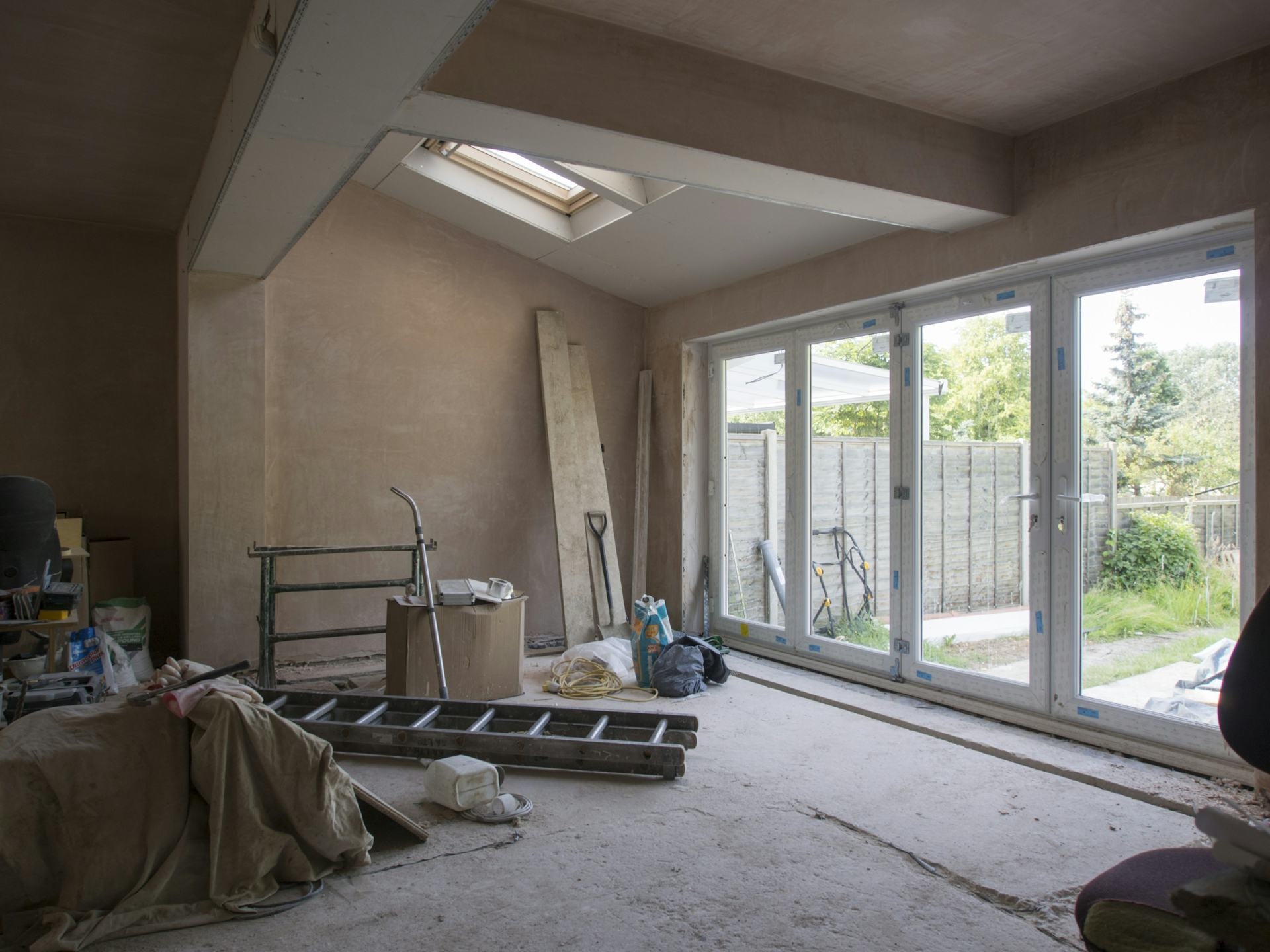
Australian architects and builders are increasingly integrating daylight into sustainable design. Features such as skylights, clerestory windows, and light wells bring sunlight deep into buildings, reducing the need for electric lighting. Light-coloured walls and ceilings reflect daylight effectively, spreading it evenly across rooms.
In office buildings, atriums and glass façades are often used to maximise daylight penetration, while in homes, open-plan layouts and windows on multiple sides can create bright, comfortable living spaces. These design strategies not only save energy but also enhance the quality of indoor environments.
Simple Ways to Make the Most of Daylight
Even without major renovations, there are easy ways to increase the benefits of natural light at home or at work:
- Keep windows clean – dust and grime can significantly reduce light transmission.
- Use light colours on walls and ceilings to reflect light more effectively.
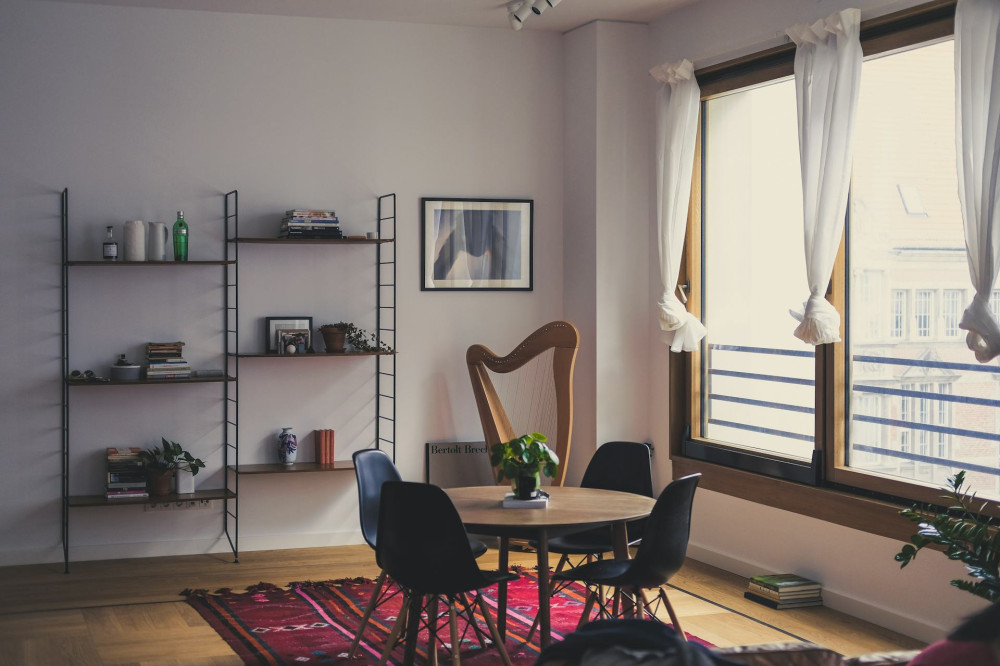
- Choose sheer curtains or blinds that filter light without blocking it completely.
- Position desks and seating areas near windows to take advantage of daylight.
- Add mirrors or reflective surfaces to bounce light deeper into rooms.
These small adjustments can make spaces brighter, more pleasant, and more energy-efficient.
Daylight and Sustainability Go Hand in Hand
Making better use of daylight reduces electricity consumption and lowers greenhouse gas emissions – a simple yet powerful step toward more sustainable living. It also supports healthier, more comfortable indoor environments where people can thrive.
As Australia continues to focus on energy efficiency and wellbeing, daylight will remain a key element in building design. It’s not just a matter of aesthetics or comfort – it’s an investment in a brighter, more sustainable future for both people and the planet.