Create harmony between roof, facade and surroundings

Create harmony between roof, facade and surroundings
A home is more than walls and a roof – it’s a complete composition that should feel naturally connected to its surroundings. When the roof, facade and landscape work together, the result is a visual and functional balance that enhances both beauty and value. But how do you achieve that sense of harmony that makes a house feel grounded rather than out of place? Here’s some inspiration for how to think holistically when choosing materials, colours and design.
Start with the surroundings
Before deciding on roofing or cladding, take a good look at the setting. Is the house located in a coastal suburb with salty air and bright light, in a leafy neighbourhood, or in the open countryside? The environment sets the tone for what will look and perform best.
Homes near the coast often benefit from durable, low-maintenance materials such as metal or fibre cement, while houses in bushland or rural areas can embrace natural materials like timber, stone or terracotta. The goal isn’t to copy your neighbours, but to create a balance where the house feels like it belongs.
The roof – your home’s fifth facade
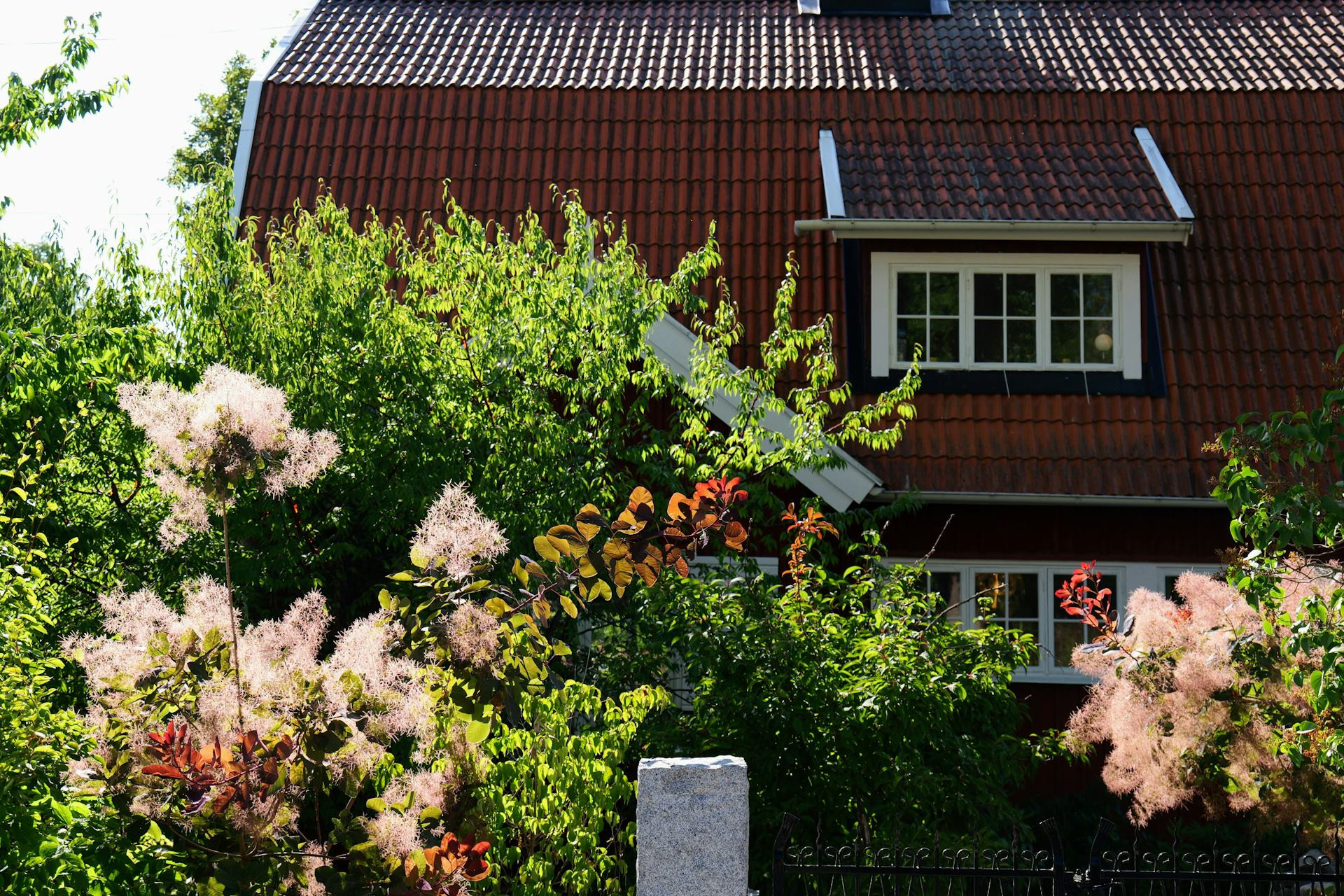
The roof is one of the most dominant visual elements of a house, especially when viewed from a distance. Its colour, shape and material should complement the facade rather than compete with it. A dark roof can give a sense of solidity and calm, while a lighter roof reflects heat and suits modern, airy designs – an important consideration in Australia’s sunny climate.
- Terracotta and concrete tiles offer a timeless look and excellent thermal performance.
- Metal roofing such as Colorbond® steel is ideal for contemporary homes and coastal conditions.
- Slate or composite shingles add texture and elegance.
- Green or living roofs can soften the building’s impact and improve insulation in cooler regions.
Also consider the roof pitch – a low slope gives a sleek, modern feel, while a steeper pitch adds character and traditional charm.
The facade as the home’s face
The facade protects against the elements and defines the home’s personality. Combining materials can add depth and interest, but too many contrasts can feel chaotic. Timber cladding, brick, render and fibre cement panels are all popular in Australia and can be mixed to great effect.
A rendered facade with a light metal roof creates a clean, coastal look, while timber and dark steel give a more architectural, contemporary expression. Choose colours that complement each other – subtle variations within the same tone create calm, while bold contrasts require a confident design hand.
Colour, light and the Australian climate
Light in Australia is strong and changes dramatically throughout the day. A colour that looks soft in the showroom may appear much brighter in full sun. Always test samples on site and view them at different times of day. Think about how materials will age – some develop a beautiful patina, while others need regular maintenance to stay fresh.
Let the local landscape inspire your palette. In bushland settings, muted greens, greys and earthy tones blend beautifully with nature. In coastal areas, sandy neutrals and whites reflect the light and keep interiors cooler. Urban homes can handle bolder contrasts, but still benefit from a sense of cohesion.
Details that tie it all together
Small elements such as gutters, window frames and doors have a big impact on the overall impression. Choose finishes that support the main design. For example, zinc or aluminium gutters pair well with metal roofs, while timber trims add warmth to brick or rendered facades.
The transition between house and garden also matters. A well-designed deck, pathway or planting scheme can create a seamless flow between the building and its surroundings.
Think sustainably – and timelessly
Sustainability isn’t just about energy efficiency; it’s also about durability and design longevity. A home that looks balanced and well considered is less likely to be renovated purely for appearance – and that’s a sustainable outcome in itself. Choose materials that last, age gracefully and require minimal upkeep.
Harmony is more than design
Creating harmony between roof, facade and surroundings is ultimately about crafting a home that feels right – visually, emotionally and practically. When proportions, materials and colours work together, the result is a sense of calm and belonging that you’ll appreciate every time you come home.