Create a Kids’ Space that Encourages Independence and Play

Create a Kids’ Space that Encourages Independence and Play
A kids’ space is more than a corner filled with toys and bright colours. It’s a place where children can explore, learn, and grow – through play and by taking small steps towards independence. When the environment supports curiosity and self-reliance, everyday life becomes easier for both children and parents. Here’s how you can create a space that invites play, calm, and responsibility – right at home in Australia.
See the Room from a Child’s Perspective
Start by viewing the space through your child’s eyes. What can they reach? What can they take out – and put away – on their own? When furniture, toys, and clothes are placed within easy reach, children naturally learn to manage small tasks independently.
- Install low shelves so your child can choose books or toys without help.
- Use open baskets and boxes to make contents visible and easy to organise.
- Hang hooks at child height so jackets and hats can be hung up independently.
It’s not about perfection – it’s about giving your child the chance to practise doing things for themselves.
Create Zones for Different Activities
A well-designed kids’ space has room for both movement and quiet time. By dividing the area into zones, you help your child understand where each activity belongs.
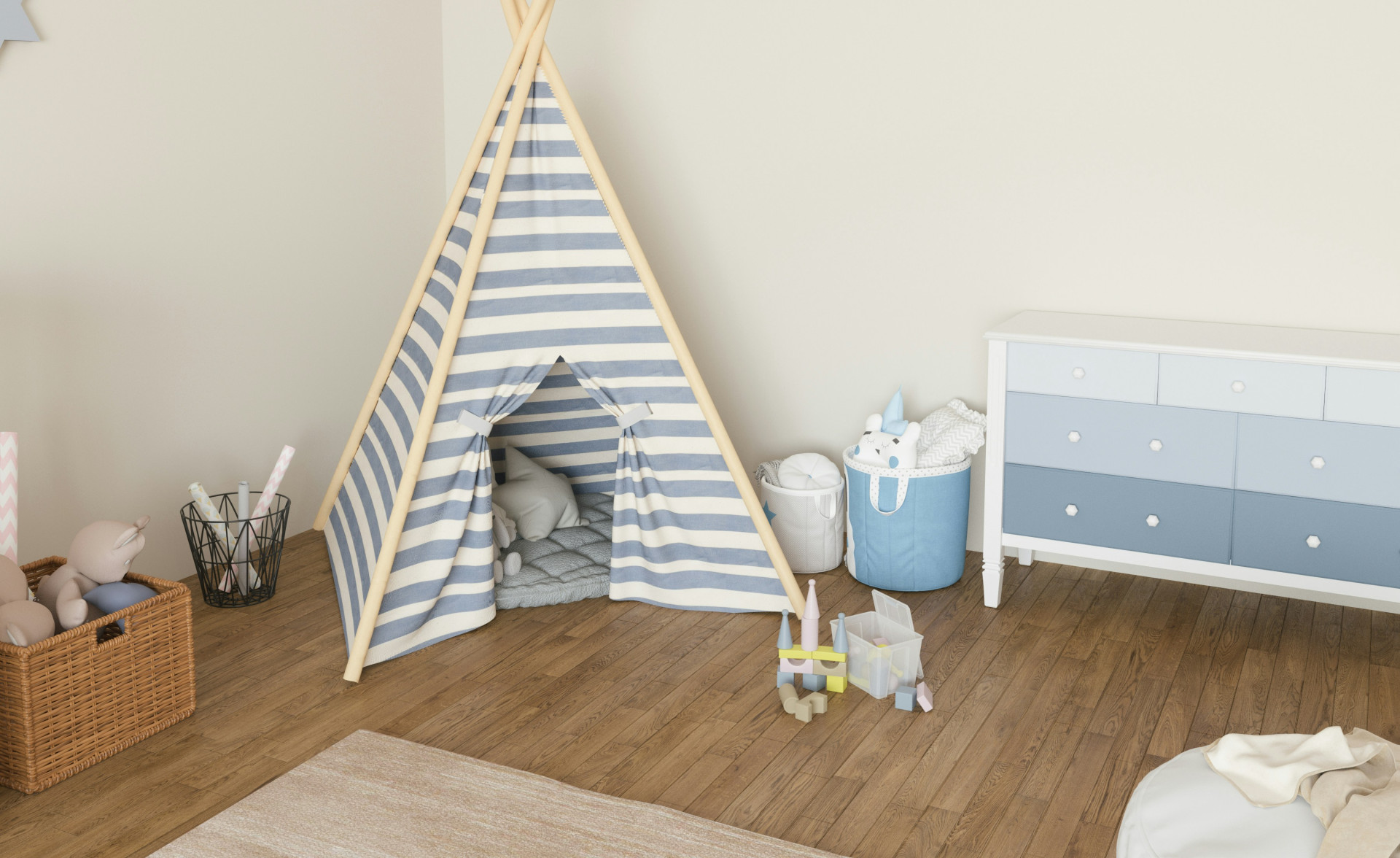
- Play zone: A soft rug, a low shelf, and space to build, draw, or play with figures.
- Creative corner: A small table with paper, crayons, and a pinboard for artwork.
- Rest zone: A cosy nook with cushions, books, and gentle lighting for quiet moments.
You don’t need walls to separate zones – rugs, colours, or furniture placement can define each area simply and effectively.
Choose Materials that Can Handle Play
Kids play with their whole bodies, so the space needs to be durable. Choose sturdy materials that can withstand daily use while still feeling comfortable and inviting.
Natural materials like timber, cotton, and wool create a warm, homely feel, while plastic and metal can be used for items that need extra strength. Avoid too many fragile decorations so your child can play freely without constant reminders of what not to touch.
Make Room for Change
Children grow quickly, and their interests evolve just as fast. A flexible design ensures the space can adapt over time.
- Choose furniture that can be adjusted in height or used in multiple ways.
- Use neutral base colours, and refresh the look with new cushions, posters, or bedding.
- Include storage that can evolve – from blocks and dolls to books and board games.
When the room can change without major expense, it’s easier to keep it relevant and inspiring as your child grows.
Keep Things Organised and Easy to Navigate
Even though play can be messy, children thrive when they know where things belong. A simple structure helps them tidy up and find calm.
Label boxes with pictures or words so your child can see what goes where. This turns tidying into a fun activity and builds a sense of responsibility and ownership.
Involve Your Child in the Design
When children help choose colours, artwork, or where their toys go, they feel more connected to the space. Ask what matters most to them: Do they want a spot for building cubbies, drawing, or reading? Even small choices give them a sense of control and pride.
Involving your child doesn’t mean the room has to be a rainbow explosion – it’s about reflecting their personality and interests in a way that feels balanced and welcoming.
A Space that Nurtures Growth and Joy
Creating a kids’ space that encourages independence and play isn’t about expensive furniture or perfect styling. It’s about designing an environment where your child can explore, take initiative, and feel secure. With thoughtful planning, you can create a space that supports learning, creativity, and confidence – a place where your child can truly thrive, one playful moment at a time.