Cool house in summer with insulated roof cavity

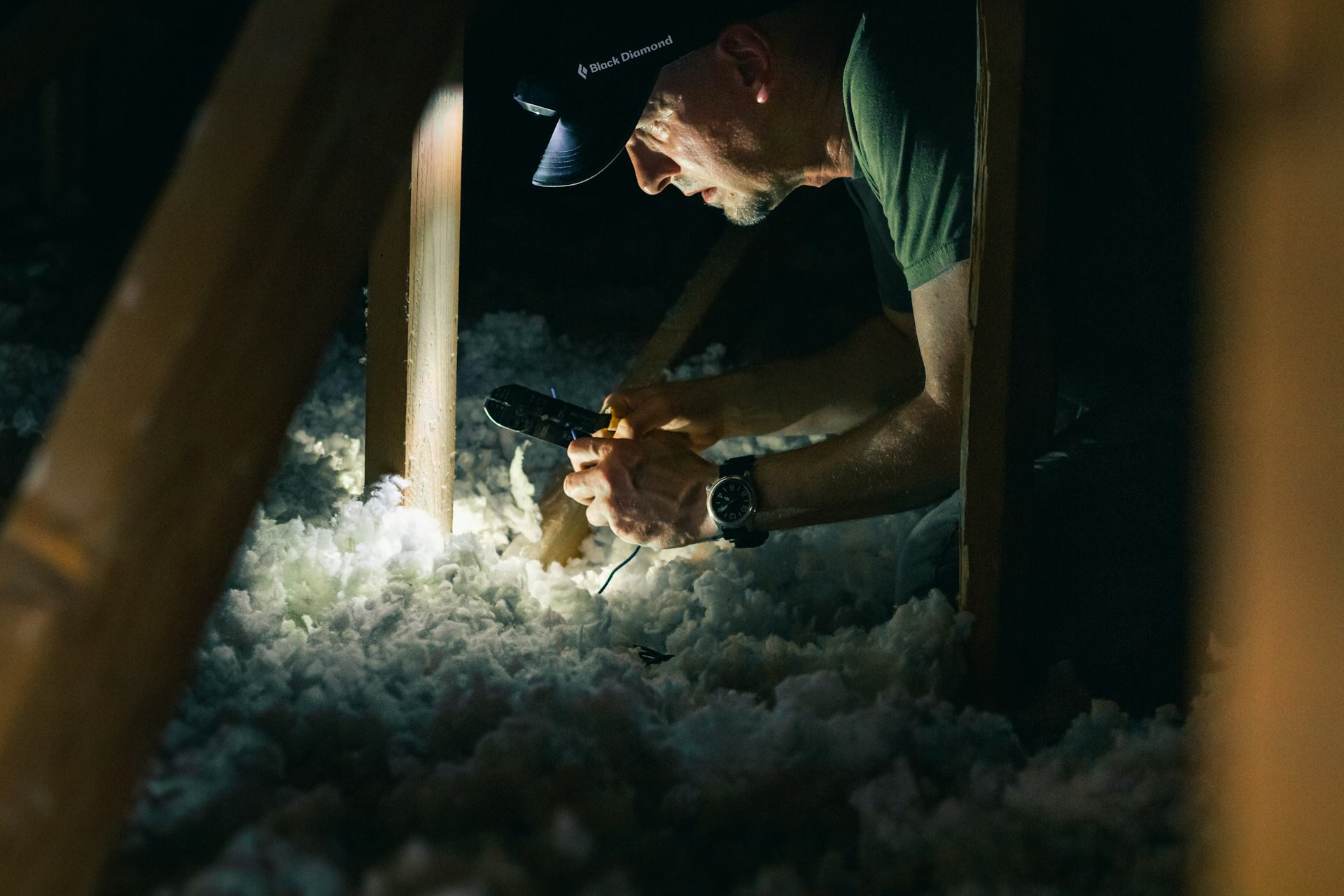
Cool house in summer with insulated roof cavity
When the Australian summer hits and the sun beats down, many homes can quickly become uncomfortably hot. Roofs absorb a huge amount of solar heat, and without proper insulation, that warmth seeps into the living spaces below. One of the most effective ways to keep your home cooler is by insulating the roof cavity – the space between your ceiling and the roof. With the right insulation, you can maintain a pleasant indoor temperature, reduce energy use, and improve comfort all year round.
What is a roof cavity – and why does it matter?
The roof cavity is the hidden space above your ceiling and below the roof structure. It acts as a buffer zone between the hot roof surface and the rooms below. If this space isn’t properly insulated, heat from the sun can easily radiate through the ceiling, making your home feel like an oven. In winter, the opposite happens – warmth escapes through the roof, leaving your home cold and harder to heat.
That’s why the roof cavity plays such a crucial role in your home’s energy performance. Proper insulation here can make a noticeable difference to both comfort and energy bills.
How insulation keeps your home cool
When the roof heats up under the summer sun, the temperature in the roof cavity can soar to over 60°C. Without insulation, that heat transfers directly into your home. Insulation acts as a thermal barrier, slowing down and reducing the amount of heat that passes through. This means your rooms stay cooler for longer, even on scorching days.
Insulation also helps stabilise indoor temperatures, reducing the need for air conditioning. Less reliance on cooling systems means lower electricity costs and a smaller carbon footprint – a win for both your wallet and the environment.
Choosing the right insulation material
There are several types of insulation suitable for Australian roof cavities. The best choice depends on your home’s design, your budget, and your sustainability goals.
- Glasswool or rockwool batts – affordable, easy to install, and effective at reducing heat transfer.
- Cellulose insulation – made from recycled paper, this eco-friendly option is blown into the cavity and provides excellent coverage.
- Spray foam insulation – creates an airtight seal and high thermal resistance, but must be installed by professionals.
- Reflective foil insulation – ideal for hot climates, as it reflects radiant heat away from the roof space.
Whichever material you choose, correct installation is key. Gaps or compressed insulation can reduce performance and lead to moisture problems.
Ventilation and moisture control
While insulation keeps heat out, ventilation ensures that trapped hot air and moisture can escape. Without proper airflow, condensation can build up, leading to mould or structural damage. A well-designed roof cavity should include vents or whirlybirds to promote air circulation.
In humid or tropical regions, it’s also worth considering a vapour barrier or moisture-resistant insulation to protect your ceiling and roof structure.
DIY or professional installation?
If your roof cavity is easily accessible and you’re confident with home improvement projects, installing insulation batts can be a manageable DIY job. However, for older homes, tight spaces, or complex roof designs, it’s best to call in a professional. An insulation specialist can assess your home, recommend the right materials, and ensure the job meets Australian building standards.
Extra benefits of an insulated roof cavity
Beyond keeping your home cooler in summer and warmer in winter, roof cavity insulation offers several other advantages:
- Lower energy bills – reduced need for air conditioning and heating.
- Improved indoor comfort – fewer temperature fluctuations and less heat build-up.
- Noise reduction – insulation also helps block outside noise.
- Increased property value – energy-efficient homes are more attractive to buyers.
A smart investment for Australian homes
Insulating your roof cavity is one of the most cost-effective ways to improve your home’s energy efficiency. The benefits are immediate – cooler rooms in summer, warmer spaces in winter, and lower energy costs all year round.
In a country where the sun shines strong and energy prices keep rising, roof cavity insulation isn’t just about comfort – it’s about sustainability and smart living. With a well-insulated roof, your home will stay cool, comfortable, and efficient, no matter how hot the summer gets.