Combine Wall Types for a Unique and Harmonious Look


Combine Wall Types for a Unique and Harmonious Look
When designing your home, walls play a much bigger role than most people realise. They set the tone for each room, and the choice of materials, colours, and finishes can completely transform the atmosphere. Instead of using the same wall type throughout your home, you can create a more dynamic and personal look by combining different wall finishes. It’s all about finding the right balance between contrast and harmony – and having the confidence to experiment with materials.
Why Combine Wall Types?
Mixing wall types isn’t just about aesthetics – it’s also about practicality. Different materials perform better in different spaces, and by combining them, you can achieve a result that’s both beautiful and functional.
- Timber walls bring warmth and texture, perfect for living areas where you want a natural, inviting feel. Australian hardwoods like spotted gum or blackbutt can add a local touch.
- Painted or rendered walls create a calm, uniform backdrop that works well with art and furniture.
- Tiled walls are ideal for kitchens, bathrooms, and laundries, as they handle moisture and are easy to clean.
- Wallpaper adds pattern, colour, and personality – great for bedrooms or entryways.
By blending these types, you can design a home that feels cohesive yet full of character.
Create Contrast with Materials
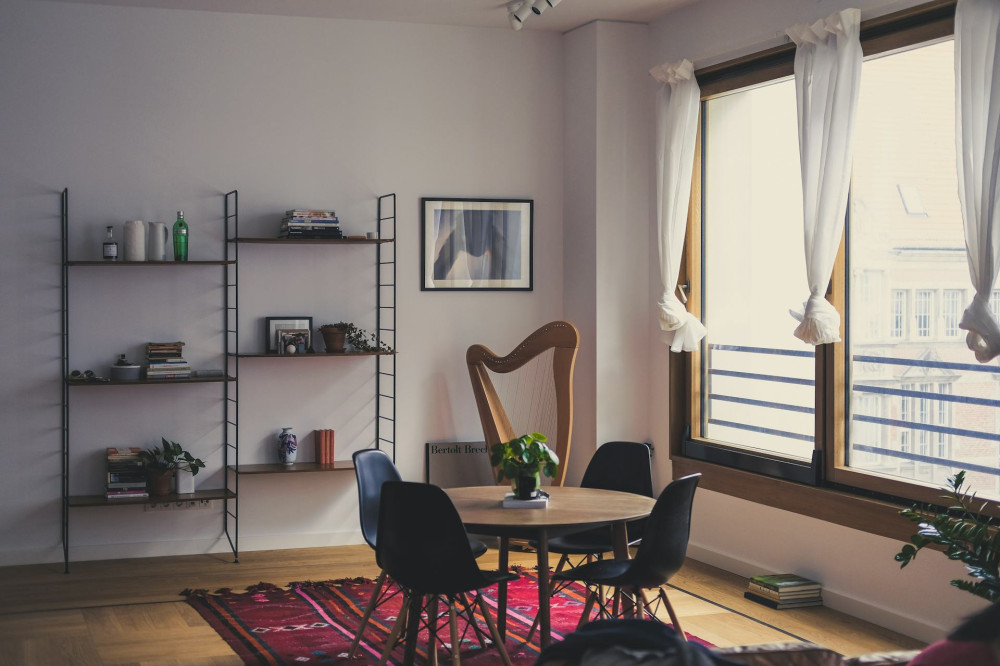
One of the most effective ways to add depth to a room is through contrast. A raw brick feature wall against smooth, white plaster can give a modern, industrial edge, while combining timber panelling with painted walls creates warmth and balance.
Think about how materials feel as well as how they look. A rough surface adds authenticity and texture, while a smooth wall feels sleek and refined. When you mix them, you create a dialogue between the rustic and the polished – a combination that makes a space more engaging.
A good approach is to let one wall become the focal point – perhaps a timber or stone wall – and keep the others more subdued. This way, you achieve variation without overwhelming the room.
Colour and Light – The Keys to Harmony
When combining wall types, colour is crucial to achieving harmony. Choose tones that complement each other and consider how light interacts with them. Natural light, which is abundant in many Australian homes, enhances textures and subtle colour shifts, while artificial lighting can dramatically change how colours appear.
Dark walls can make a space feel cosy and intimate, but they can also make it seem smaller. To maintain a sense of openness, balance darker materials with lighter tones. For example, pair a deep charcoal render with pale timber or white-painted walls.
If you’re unsure, start with neutral colours and introduce contrast through materials – such as light oak against white plaster or concrete paired with warm earthy tones.
Practical Considerations
Before you start, think about maintenance and durability. Timber walls may need sealing to resist humidity, while painted surfaces might require touch-ups over time. In areas with high moisture, like bathrooms or coastal homes, choose materials that can handle the conditions – such as tiles, moisture-resistant paint, or treated timber.
It’s also worth considering acoustics. Hard surfaces like tiles and concrete reflect sound, while timber and textured finishes absorb it. A thoughtful mix can create a space that’s both visually appealing and acoustically comfortable.
How to Get Started
- Begin with one room – experiment in a smaller space before applying the concept throughout your home.
- Plan your layout – sketch the room and decide where each material will go.
- Think about cohesion – even with variation, the materials and colours should complement each other.
- Use samples – place materials and paint swatches side by side before making final decisions.
- Seek inspiration – browse Australian design magazines, visit showrooms, or talk to local builders and interior designers to see how others have combined wall types.
Once you’ve found the right combination, you can either take on the project yourself or hire a professional to ensure a polished finish.
A Home with Personality
Combining wall types is ultimately about creating a home that reflects who you are. It’s a way to move beyond uniformity and give your spaces depth and individuality. Whether you mix timber and render, wallpaper and paint, or tiles and concrete, the key is to find a balance that feels natural to you.
A harmonious home doesn’t have to be perfect – it’s one where materials, colours, and atmosphere come together in a way that feels genuine and uniquely yours.