Can you maintain your asbestos cement roof yourself? Here’s the answer

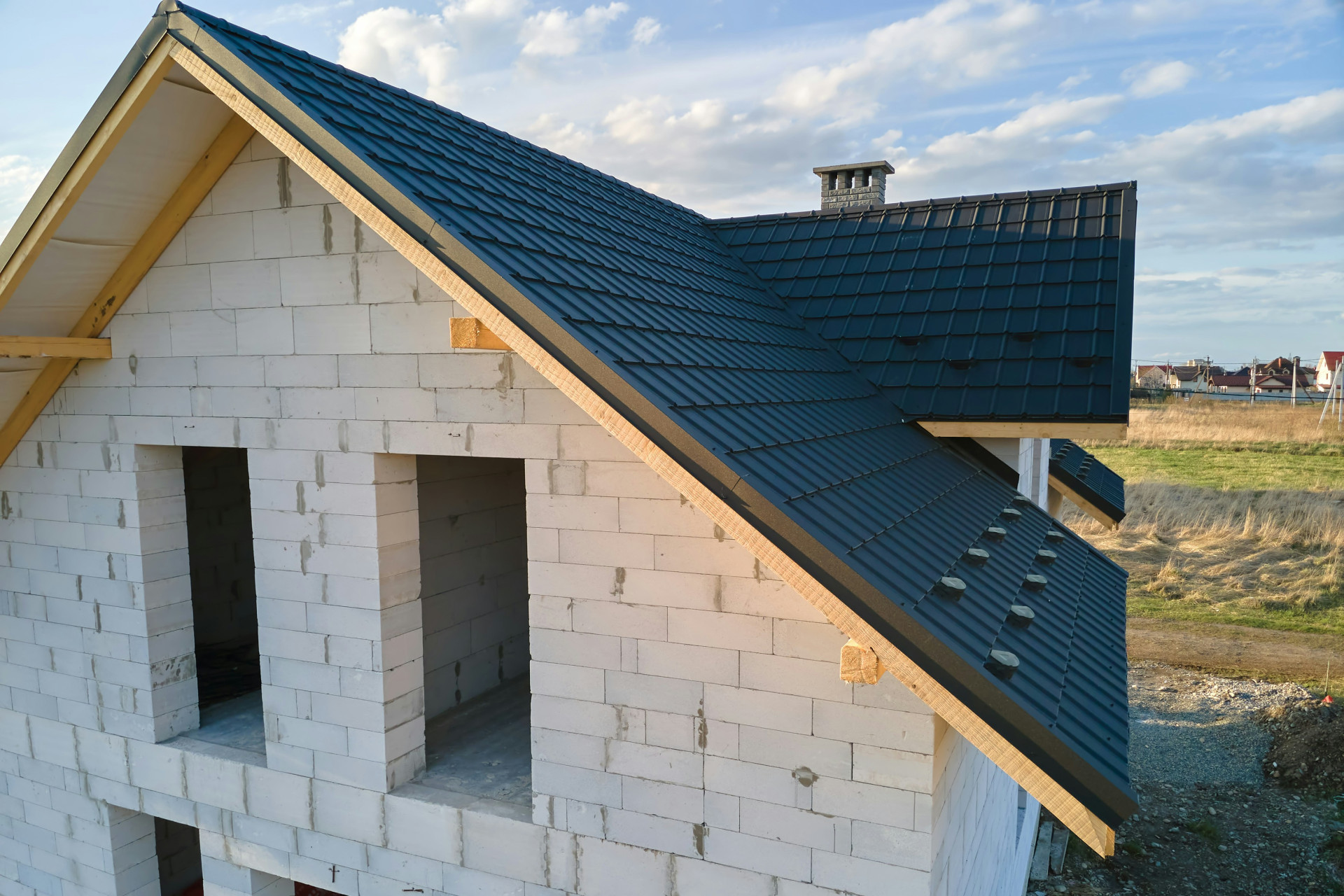
Can you maintain your asbestos cement roof yourself? Here’s the answer
Asbestos cement roofs are still found on many Australian homes, sheds, and garages – especially those built before the 1990s. They’re durable, weather-resistant, and can last for decades. But when it comes to maintenance, things get tricky. Can you look after an asbestos cement roof yourself, or should you always call in a professional? Here’s what you need to know.
What exactly is an asbestos cement roof?
Asbestos cement (often called “fibro” in Australia) is a mix of cement and asbestos fibres. It was widely used in roofing and wall cladding until the late 1980s because it was strong, fire-resistant, and affordable. However, asbestos fibres are hazardous when released into the air and inhaled, which is why asbestos use was banned in Australia in 2003.
If your roof was installed before the mid-1980s, there’s a good chance it contains asbestos. Newer fibre cement products are asbestos-free and safe to handle with normal precautions.
Can you maintain an asbestos cement roof yourself?
The short answer is: No – not if it contains asbestos.
Under Australian law, homeowners are not allowed to cut, drill, sand, or pressure-clean asbestos cement materials. Doing so can release dangerous asbestos fibres into the air, posing serious health risks to you, your family, and your neighbours. Any work that could disturb asbestos must be carried out by a licensed asbestos removalist.
That said, there are a few things you can safely do yourself – as long as you don’t disturb the material.
What you can do
- Keep gutters and downpipes clear of leaves and debris so water can drain properly.
- Trim overhanging branches to reduce leaf build-up and prevent damage.
- Visually inspect the roof from the ground or from a safe distance for signs of damage, such as cracks or broken sheets.
- Avoid walking on the roof. Asbestos cement sheets can become brittle with age and may break under weight.
If you notice any damage, don’t try to fix it yourself. Contact a licensed asbestos professional immediately.
How to tell if your roof contains asbestos
If you’re unsure whether your roof contains asbestos, you can:
- Check the age of your home. Roofs installed before 1990 are likely to contain asbestos.
- Look for product markings. Some newer, asbestos-free sheets are labelled “asbestos-free” or “AF”.
- Get it tested. The safest option is to have a small sample taken and tested by a NATA-accredited laboratory or an asbestos assessor. Never take a sample yourself unless you’re trained and equipped to do so safely.
What about asbestos-free fibre cement roofs?
If your roof is confirmed to be asbestos-free, you can handle basic maintenance yourself. Here’s what’s safe to do:
- Clean gutters and downpipes at least once a year.
- Remove leaves and debris from the roof surface using a soft broom or blower (from a ladder, not by walking on the roof).
- Treat algae or moss with a gentle cleaning solution designed for fibre cement. Avoid high-pressure cleaning, which can damage the surface.
- Inspect for cracks or loose fixings and have them repaired promptly to prevent leaks.
Always use proper safety gear, such as non-slip shoes, gloves, and a harness if you’re working at height.
When to call in the professionals
Even with an asbestos-free roof, some jobs are best left to experts:
- Roof cleaning: Professional cleaners use low-pressure methods and approved products that won’t damage the surface.
- Repainting or resealing: A new coating can extend the life of your roof, but it requires the right preparation and equipment.
- Repairs or replacements: If sheets are cracked, porous, or lifting, a roofing contractor can assess whether repair or replacement is needed.
- Asbestos removal: Only licensed asbestos removalists can legally and safely remove asbestos materials in Australia.
Signs your roof needs professional attention
Keep an eye out for these warning signs:
- Cracks, chips, or broken sheets
- Persistent leaks or damp spots in the ceiling
- Heavy moss or lichen growth
- Discolouration or surface deterioration
- Loose or missing fasteners
If you notice any of these, arrange an inspection as soon as possible. Early intervention can prevent more serious – and expensive – damage later.
How to extend your roof’s lifespan
Whether your roof is asbestos cement or asbestos-free fibre cement, good maintenance habits make a big difference:
- Schedule a yearly roof inspection, ideally after winter or storm season.
- Keep gutters and downpipes clear to prevent water damage.
- Ensure good ventilation in your roof space to reduce moisture build-up.
- Trim nearby trees to minimise shade and debris.
- Have a professional inspection every 5–10 years to catch issues early.
The bottom line: Safety first
You can safely handle light maintenance around an asbestos cement roof – like cleaning gutters and keeping the area tidy – but you should never disturb the material itself. For any cleaning, repair, or replacement work, always hire a licensed professional.
By knowing your limits and following safety guidelines, you’ll protect your health, comply with Australian regulations, and help your roof last for many more years.