Antibacterial Kitchen Materials – Hygiene with Style

Antibacterial Kitchen Materials – Hygiene with Style
A modern kitchen should be more than just beautiful – it should also be easy to keep clean and safe to cook in. As Australians become increasingly conscious of hygiene and health, antibacterial materials are gaining popularity in both home and commercial kitchens. But what exactly makes a material antibacterial, and how can you combine hygiene with great design? Here’s how to create a kitchen that looks stunning while keeping bacteria at bay.
What Are Antibacterial Materials?
Antibacterial materials are surfaces designed to inhibit the growth of bacteria and microorganisms. This can happen naturally – as with copper or bamboo – or through advanced technology, where materials are treated with silver ions or other active agents that prevent bacteria from multiplying.
The goal isn’t to replace regular cleaning, but to add an extra layer of protection in high-contact areas such as benchtops, handles, and sinks.
Popular Materials with Antibacterial Properties
Today, there’s a wide range of materials that combine hygiene and design in stylish ways:
- Copper and brass – naturally antibacterial metals that kill bacteria quickly. They add a warm, luxurious touch that suits both contemporary and classic kitchen styles.
- Stainless steel – a timeless favourite in professional kitchens. It’s easy to clean, resistant to stains, and available in matte or brushed finishes that reduce visible fingerprints.
- Composite and laminate benchtops with silver ions – modern materials infused with antibacterial particles. They require minimal maintenance and come in a variety of colours and textures.
- Bamboo – a sustainable natural material with inherent antibacterial qualities. It’s often used for cutting boards and utensils, adding a warm, organic feel to the kitchen.
By choosing materials with built-in hygiene, you can reduce the risk of bacterial spread without compromising on aesthetics.
Design with Purpose
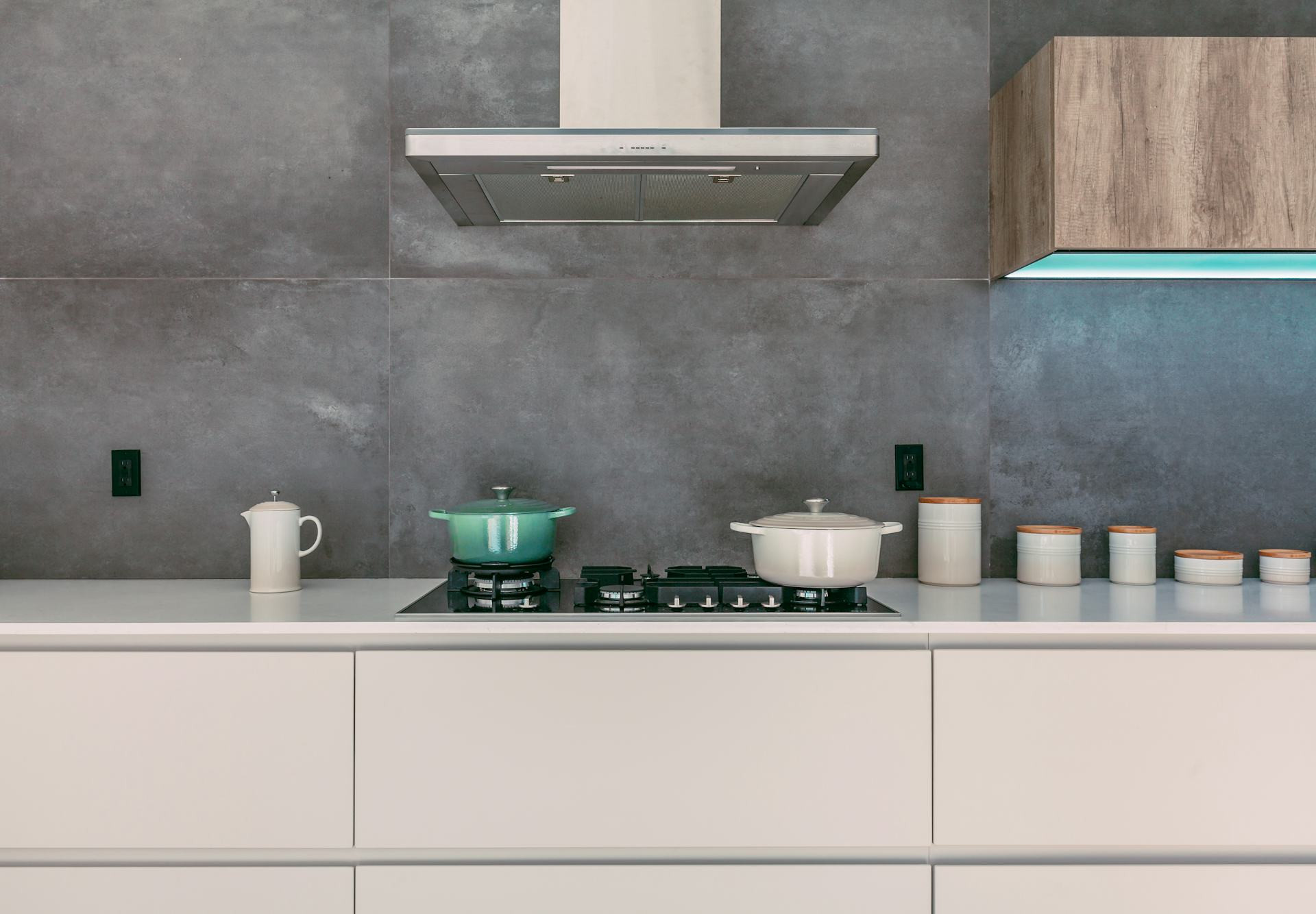
A hygienic kitchen isn’t just about materials – it’s also about smart design. Smooth, seamless surfaces make cleaning easier and prevent grime from building up. Consider integrated handles, concealed joints, and sink designs that allow water and food scraps to rinse away effortlessly.
Colour and texture also play a role. Darker surfaces can hide marks, while lighter tones make it easier to spot areas that need cleaning. The key is finding the balance that suits your lifestyle.
Maintenance Still Matters
Even though antibacterial materials help reduce bacteria, they’re not a substitute for proper cleaning. Regular wiping with warm water and mild detergent is still essential. Avoid harsh chemicals that can damage the surface or reduce the effectiveness of antibacterial treatments.
A good tip is to use microfibre cloths – they remove dirt effectively without scratching the surface.
Sustainability and Health in One Solution
Many manufacturers are now developing antibacterial materials that are also environmentally friendly. This means fewer chemicals, longer durability, and less need for cleaning products. For Australian households, that translates to a healthier indoor environment and a kitchen that stays beautiful for years.
When choosing materials, look for certifications that verify both hygienic and sustainable qualities – such as ISO standards or eco-labels recognised in Australia.
A Kitchen That Fits Your Lifestyle
Antibacterial materials aren’t just for professional chefs. They’re perfect for modern Australian homes, where we value practicality, beauty, and easy maintenance. Whether you prefer a sleek stainless-steel look, warm natural finishes, or colourful composites, there are options that combine hygiene with style.
Your kitchen should be a place where you can cook with confidence – where design and function work hand in hand. With the right materials, you can create a space that inspires creativity while keeping your family safe.